Protective Covers
Protective covers come down to what you’re trying to keep clean and how rough the job is. For quick room protection, lighter protective sheets are usually enough. If you’re covering floors, furniture or a longer programme, heavier protective covers save you replacing torn sheets halfway through. The usual call at the counter is whether you need something disposable for a one-off job or a reusable cover that’ll take more punishment.
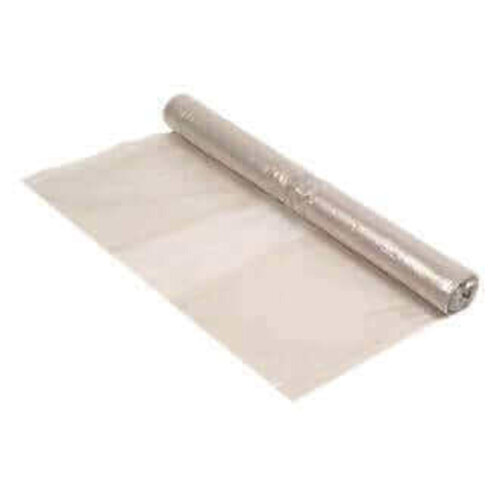
Polythene Roll - 25m x 4m
Polythene protective roll measuring 25m wide by 4m long
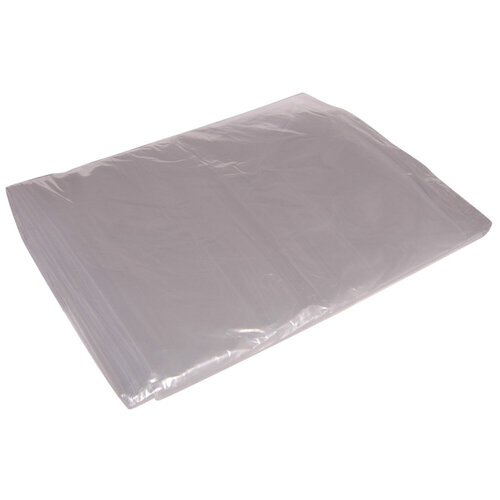
Polythene Sheet - Thickness/gauge: 220g (55 microns)
Clear waterproof polythene sheet, 55 microns (220g).
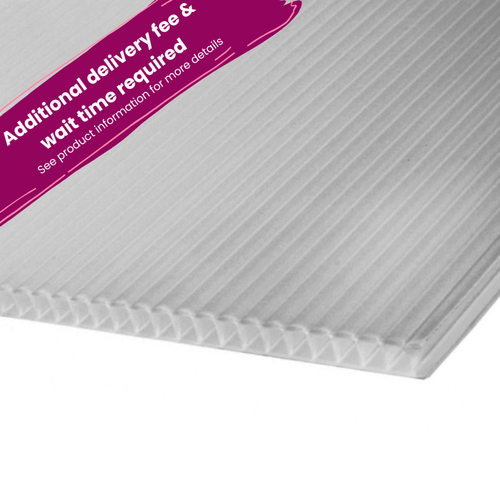
Antinox Flame Retardant Protective Floor Covering Sheet - 2mm x 1200mm x 2440mm …
Flame retardant white floor covering sheet 2mm x 1200mm x 2440mm
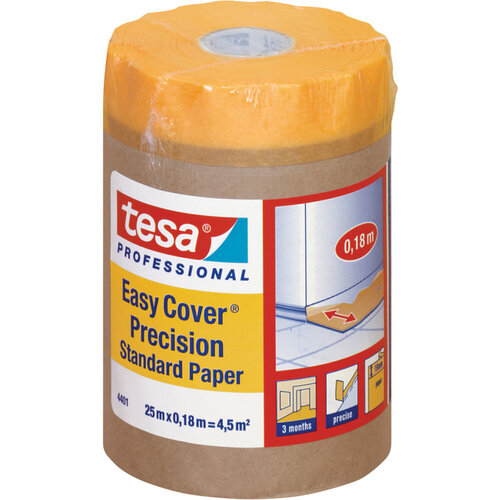
Tesa Professional 4401 Easy Cover Masking Paper - 180mm x 25m
Indoor masking paper, 180mm x 25m, yellow, 7-day
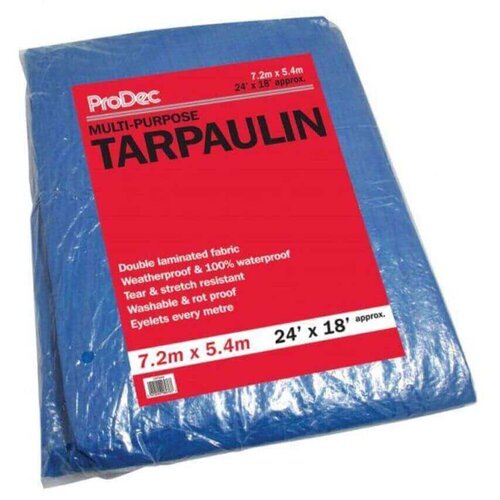
Prodec Tarpaulin - 24' x 18' blue 5 Pack
Heavy-duty waterproof tarpaulin, 24 x 18 feet, blue, pack of 5
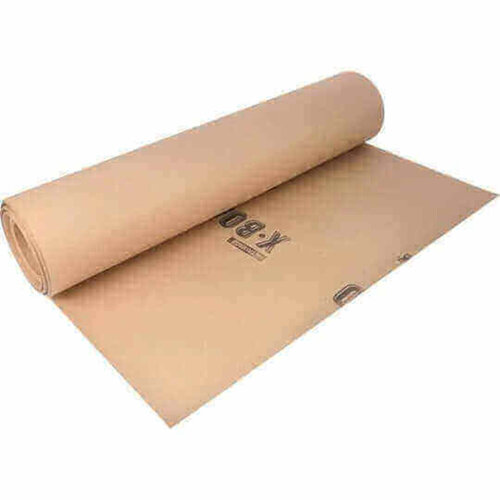
X-Board Surface Protection - 35m x 50ft
X-Board surface protection roll, 35 metres x 50 feet
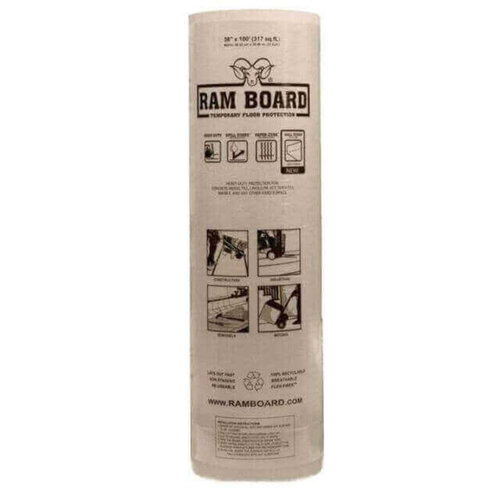
Ram Board Extreme Floor Protection - 30.4m x 965mm
RAM Board Extreme floor protection roll, 30.4m x 965mm, water resistant for 72 h…
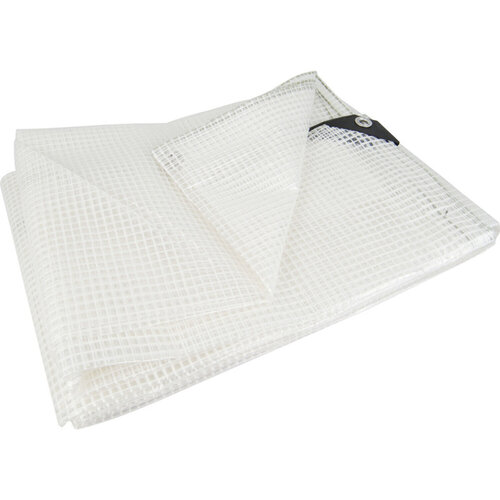
Leno Clear Tarpaulin - 4m x 5m 175GSM
4m x 5m clear PVC tarpaulin, 175gsm, with 70% light transmission
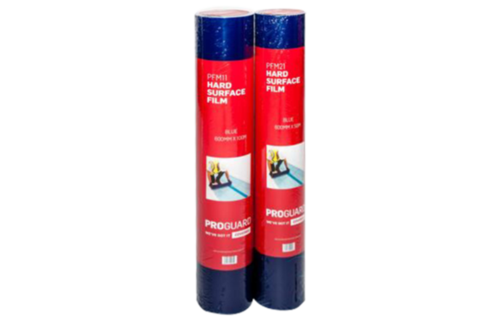
Hard Floor Protection Film - 600mm x 100m Blue
Blue self-adhesive protection film for hard floors, 600mm by 100 metres.
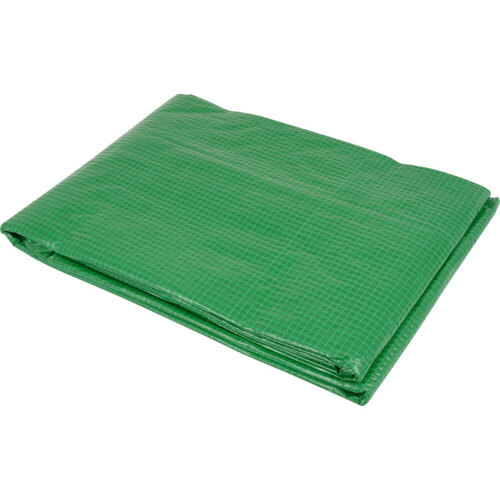
Green Tarpaulin - 3 x 4m
Heavy-duty green polyethylene tarpaulin, 3 x 4m cut size, with reinforced eyelet…
For the Trade
Start with the space you’ve actually got and how the job will be used, because that usually decides the format before anything else. Tight access, stairs, and heavy foot traffic push you towards tougher protective covers that stay put. Lighter work in a clear room can get by with simpler protective sheets. Movement is what catches people out. Once a cover shifts, you’re chasing it and the floor takes the hit. Finish and extras matter after that, not before.
Protective Cover Options Compared
Start with how much abuse the job will throw at the cover.
Decorating protective covers suit short runs and cleaner rooms. They’re lighter to handle, so they’re quicker to lay out and move on. Trade protective covers make more sense when traffic is constant, tools are moving around, or furniture needs to stay protected for longer.
Heavy duty protective covers are the pick where puncture and tear are the main risk. The trade-off is handling - they’re less easy to shift and position. Reusable protective covers suit regular work because they hold up over time. Disposable protective covers are faster when speed and clean-up matter more than re-use.
If you’re matching the rest of the prep kit, keep it aligned with Interior Paint & Surface Preparation rather than buying heavier cover than the job needs.
Choosing Materials and Size
What you buy usually comes down to where it’s going and how long it needs to stay down. For floors and through-routes, choose protective covers with enough weight to stay put. Lighter protective sheets work for short, low-traffic jobs, but they creep and need re-taping.
For furniture or finished joinery, a proper protective cover gives better wrap and less chance of a corner getting knocked back. If the surface still needs prep, sort that first - Sanding for rough patches, Sugar Soap for residue. A clean, sound surface makes the cover choice easier and cuts the mess you’re trying to trap.
Completing the Setup
Once the protective covers are sorted, the next call is what’s going underneath and what’s staying put. For a run of carpet, carpet protector or protective floor covers need to stay flat and not creep under foot traffic. For furniture and boxed-in rooms, protective furniture covers give better wrap and less chance of snagging on corners.
If the job is rough, or you’re covering up after sanding and prep, heavy duty protective covers are worth the extra weight. For a short hit-and-run job, disposable protective covers save time on the clear-up.
Related searches
Local availability for Protective Covers














