Sanding
Sanding comes down to the finish you need and how much material you’re taking off. For quick flatting, sanding sheets and sanding blocks are the usual hand options. For machine work, sanding discs and sanding belts save time, but only if the tool and grit match the job. Fine grit is what you reach for before paint. Coarse grades are for heavier correction.
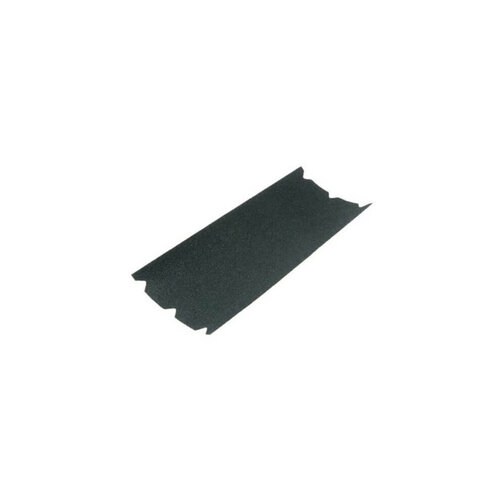
Faithfull Aluminium Oxide Floor Sanding Sheets - 203mm x 475mm 80g
203 x 475mm floor sanding sheets with 80 grit aluminium oxide abrasive
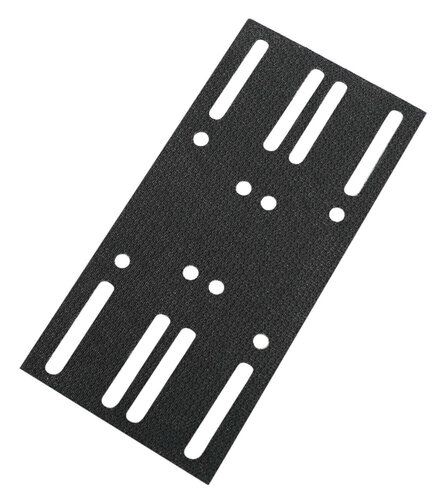
Mirka Extension Pad Saver Deos - 81mm x 165mm 50H
Extension pad saver for Mirka Deos, 81x165mm
Mirka Cork Sanding Block - 100mm x 60mm x 40mm
Cork sanding block for flat surfaces, 100mm x 60mm x 40mm
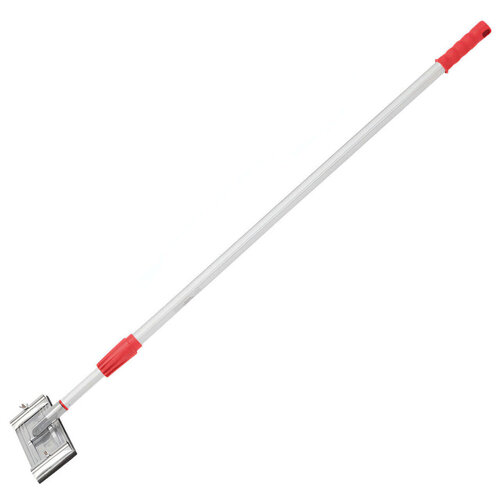
Cure IT Swivel Sanding Pad
240mm swivel sanding pad with GRP construction for even sanding
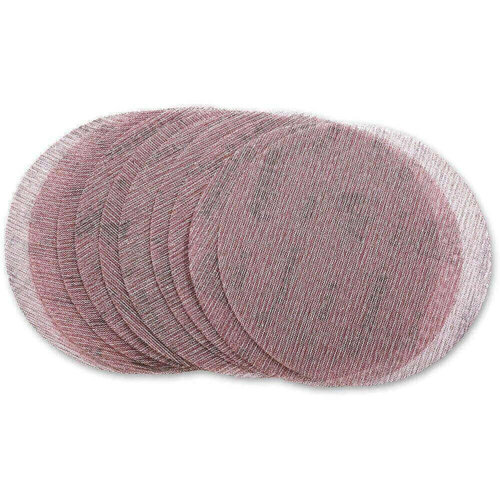
Mirka Abranet Discs - P180 x 125mm 50 Pack
P180 grit 125mm mesh sanding discs (50 pack) with efficient dust extraction
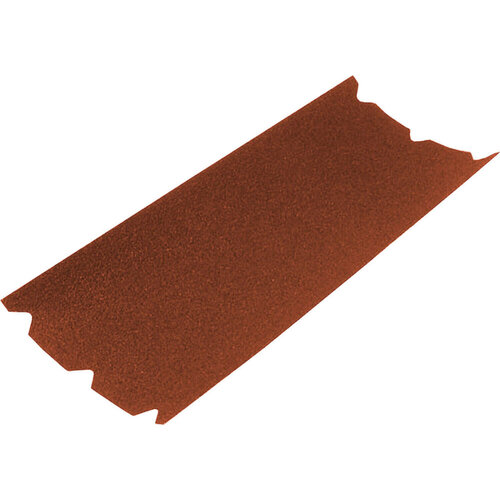
Faithfull Aluminium Oxide Floor Sanding Sheets - 203 x 475mm 60g
Aluminium oxide floor sanding sheet, 203 x 475 millimetres, 60 grit
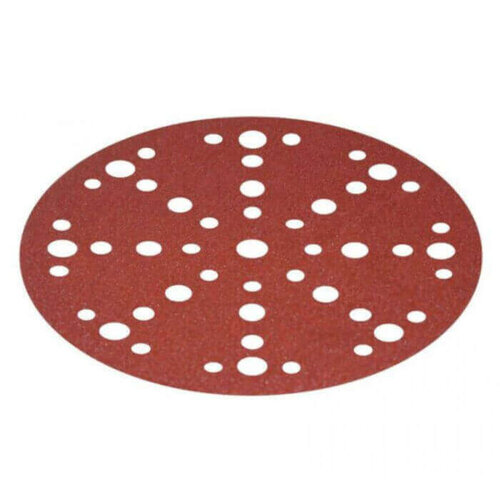
Festool Rubin 2 Abrasive Disc - 150mm 100g 10 Pack
150mm abrasive disc, 100 grit, pack of 10
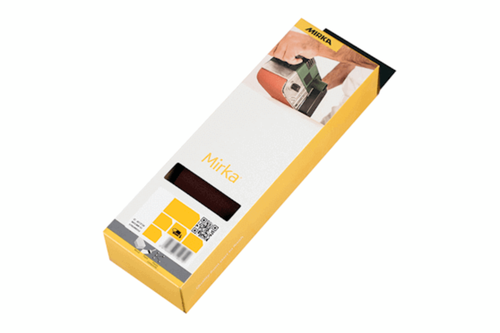
Mirka Sanding Belt - 75mm x 533mm, 80 Grit, 3 Pack
Sanding belt 75mm x 533mm, 80 grit, pack of 3
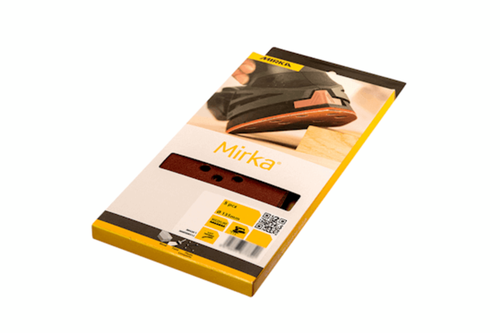
Mirka Mouse Sanding Sheets - 5 Pack Assorted
5-pack assorted sanding sheets for Mirka Mouse sanders

Mirka Caratflex Abrasive Roll - P240 50METRES
P240 grit flexible abrasive roll, 50m long, for dry sanding wood and paint
For the Trade
Start with the space you’ve got and how the job will be handled. That usually decides the sanding setup before you get into finish. Tight access, corners and trim push you towards hand sanding and sanding blocks. Open runs and heavier prep usually call for sanding discs or sanding belts. If the sheet won’t sit flat, you’ll feel it straight away and the finish will show it. For a light take-back, keep it simple. For more material, pick the format that keeps the work moving without fighting the tool.
Popular Sanding Formats
For most jobs, you’re choosing between control and how fast you need to cover ground. Sanding sheets and sanding paper suit hand work and awkward profiles because you can work the surface properly, but you’ll go through them quicker if the job is heavy.
Sanding blocks keep the face flatter, so they’re the better pick when you don’t want to round edges. Sanding discs and sanding belts are the ones to reach for when the area is bigger or the material needs shifting, though they’re less forgiving if you’re chasing a fine finish.
If you’re matching the rest of the Interior Paint & Surface Preparation range, it usually comes down to whether you need speed, control, or both.
Key Differences When Choosing
When you’re choosing sanding for a decorating job, start with how much you need to take off. Coarser grades clear old paint and rough edges faster, but they leave more scratch to deal with. Use them when you’ve got material to remove.
Finer grades suit the last pass before finish coats. They’re less likely to cut through on trim or patch work, so they give you more control where the surface is already close.
Wet and dry sanding comes in where dust control or a smoother final rub matters. For general prep, dry sheets are usually quicker and cheaper.
If it’s mostly hand work, sanding blocks give you better control on flats. The trade-off is speed. They move slower than machine work.
When you’re moving on to finish coats, Emulsion Paint is the next call. If you’re stripping back first, look at Paint Stripper instead.
Next Decisions After Choosing
Once sanding’s chosen, the next call is what goes back over it. If you’re finishing walls, emulsion paint is the usual follow-on. It will show up missed scratches, so the prep has to be right.
On trim, interior wood / trim paint is less forgiving of rough edges. A cleaner final pass matters there.
If you’re taking old coatings back first, paint stripper can save time before you start sanding again. It adds another stage, though, and changes the prep sequence.
Keep the protection side in mind too. Dust sheets and protective covers stop a tidy prep turning into a mess.
Related searches
Local availability for Sanding















