Steel Wool
Steel wool is usually chosen by the finish you need, not by the name on the pack. Fine steel wool and grade 0000 steel wool suit light cleaning and polishing where you want control and less marking. Coarse steel wool handles heavier rubbing back and stripping work. Wire wool pads are easier to hold in the hand, while loose grades and steel wool rolls give you more flexibility on awkward details.
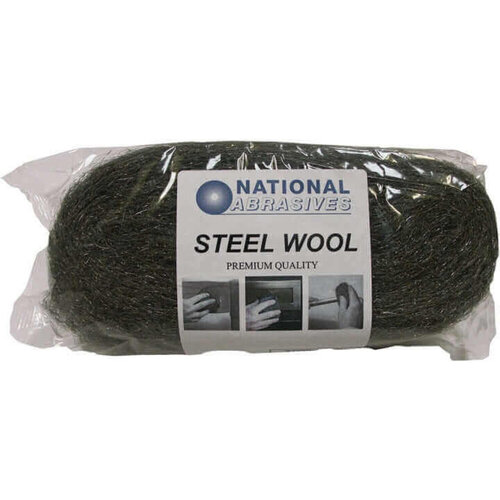
Steel Wool - 200g Extra Fine
200g extra fine steel wool for cleaning, finishing and surface preparation
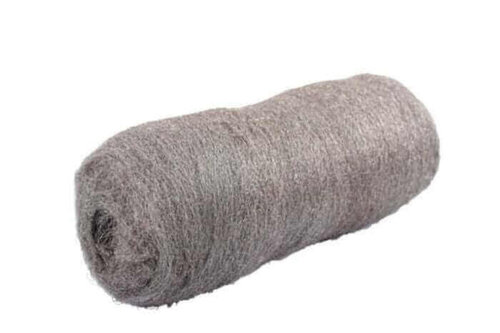
Prodec Fine Steel Wool - 400g
400g fine steel wool for cleaning, paint removal and metal prep
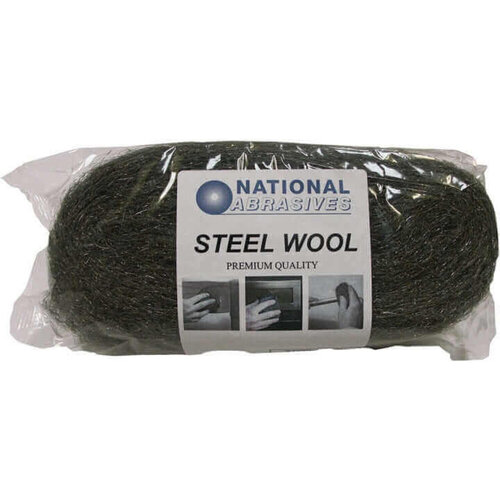
Steel Wool - 200g Coarse
Coarse steel wool 200g for heavy-duty cleaning and rust removal
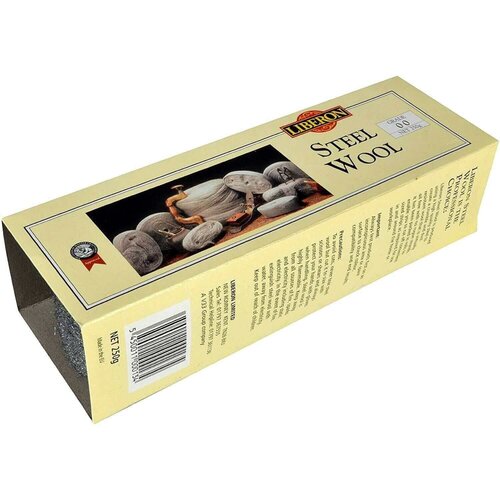
Liberon Steel Wool - Grade 0
Liberon steel wool, grade 0, manufactured from steel
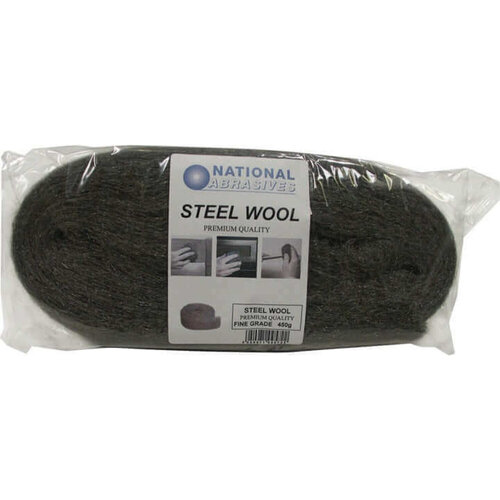
Steel Wool - 450g Fine
Fine grade steel wool, 450g
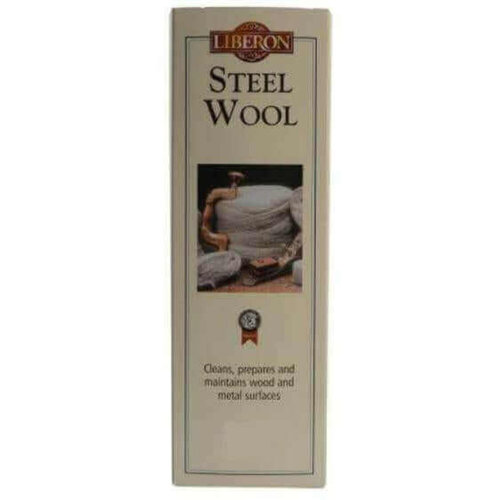
Liberon Steel Wool - Grade 4
Steel wool grade 4 for surface preparation and finishing
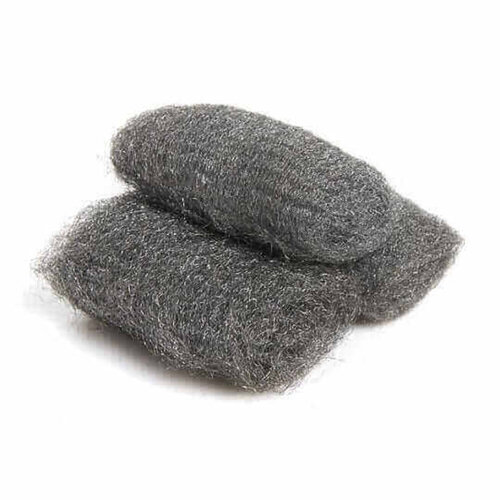
Rustins Steel Wool Pads - Assorted grades, 3 Pack
Rustins steel wool pads, assorted grades, 3 pack
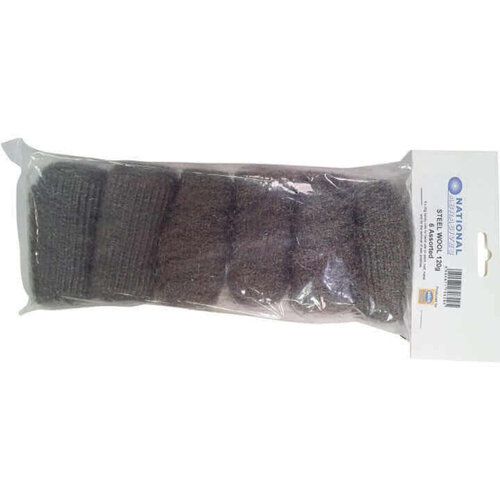
Steel Wool - 120g 6 x 20g Assorted
Pack of 6 steel wool pads, 20g each
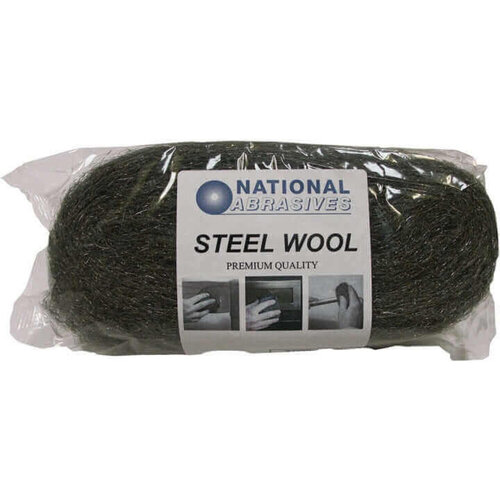
Steel Wool - 200g Fine
Fine grade steel wool, 200g pack.
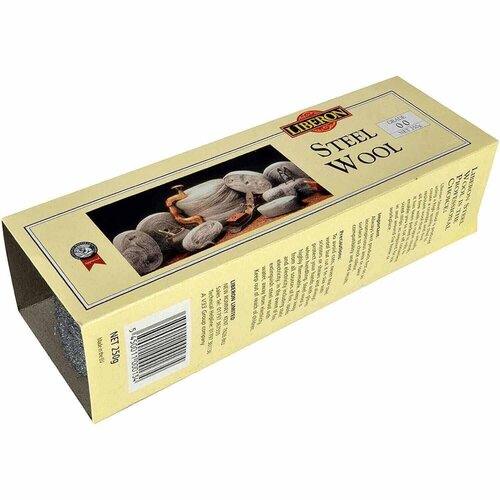
Liberon Steel Wool - Grade 00
Liberon Steel Wool, Grade 00.
For the Trade
You narrow steel wool by the finish you need and how much bite you can live with. Grade 0000 is the one most decorators reach for when they want the least marking, especially on final rub-downs and delicate surfaces. Fine steel wool gives you a bit more cut. Coarse steel wool comes in when there is heavier contamination or old finish to shift. Rolls suit longer runs because you can tear off what you need. Steel wool pads are handier when you want a neater hold and less waste. On site, the choice usually comes down to control or aggression. Get that wrong and you spend longer putting the surface right.
Types of Steel Wool
For most jobs, you choose steel wool by how much bite you need and how much marking you can live with. Extra fine and grade 0000 suit finish work and light clean-up. They cut slowly, but they are less likely to leave a visible trail.
Fine and medium grades give you more cut when there is dirt, old polish or a bit more surface to shift. Coarse steel wool is the rougher option for heavier work, but it is the one most likely to leave scratches if you overdo it.
Rolls help when you want to tear off what you need. Pads are quicker for repeat hand use. Keep the parent range in Interior Paint & Surface Preparation in view if you are matching the rest of the job.
Selection Factors for Steel Wool
Start with how much bite you need and how much marking you can live with. Steel wool pads and fine steel wool are usually the pick when you want a firmer face and a cleaner finish. Medium steel wool gives you a little more cut without jumping straight to the harsher end.
Coarse steel wool is for jobs that need more aggression, but it will show if you overdo it. Material choice changes handling as well as the finish, so tighter specs usually call for the finer grades. On those jobs, Bathroom Paint usually points you towards the finer grades, and keep Drop Cloth on the order because loose fibres and debris are what get called back later.
Finish the Room
Once you’ve picked the steel wool, the next call is what else needs finishing around it. If you’re working back from stripped trim or a cleaned metal edge, get the surrounding paint system settled before you start rubbing out marks. The wrong finish nearby gets damaged fast.
Keep a drop cloth or dust sheets down where you’re working. If the job runs into a bathroom or kitchen, make sure the paint spec matches the room before you start. That usually saves the return visit - not the wool itself, but what’s already been chosen for the rest of the surface.
Local availability for Steel Wool










