Interior Paint & Surface Preparation
For interior paint & surface preparation, the first check is the surface itself and how much time you have for prep and recoat. If the substrate is clean and stable, you can keep the system simple. If it is patchy, marked, or carrying old layers, you need products that give more forgiveness and hold between coats. Quicker-drying options help the programme, but they leave less room to correct the surface. That usually decides the job, not the colour on the tin.
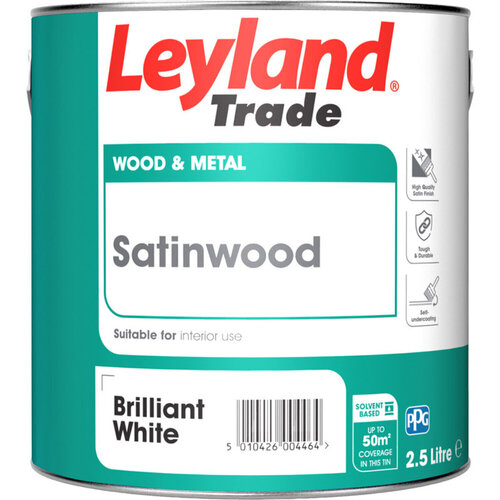
Leyland Trade Satinwood Paint 2.5L - Brilliant White
Leyland Trade Satinwood 2.5L Brilliant White satin paint for interior wood and m…
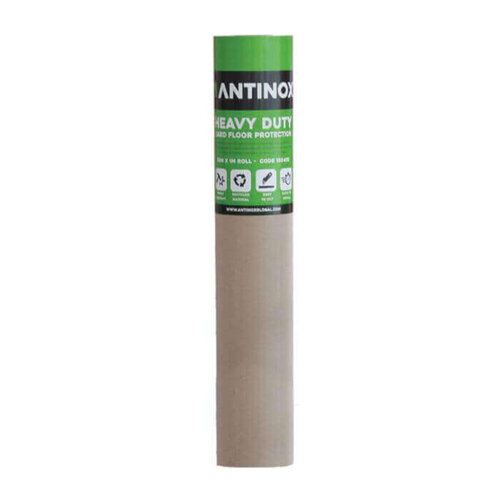
Antinox Heavy Duty Card Temporary Floor Protection Roll - 1m x 50m
Heavy-duty card floor protection roll, 1m x 50m
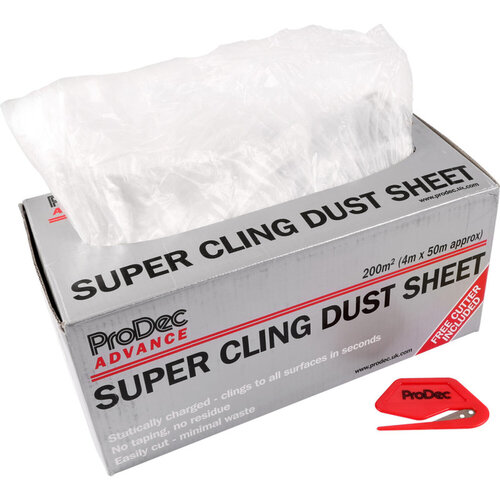
Prodec Advance Super Cling Dust Sheet - 4m x 50m
Clear statically charged polythene dust sheet, 4m x 50m
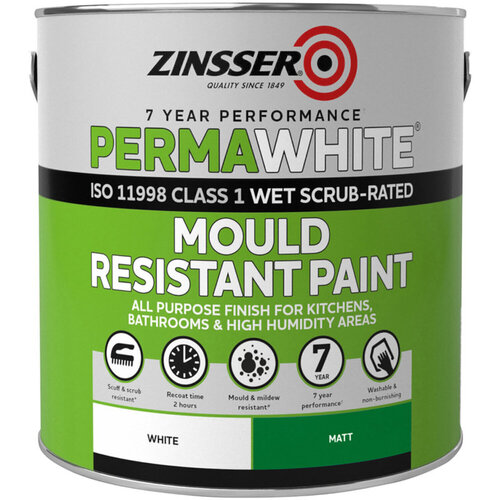
ZINSSER Perma-White Mould Resistant Self-Priming Interior Matt Paint - 2.5L White
ZINSSER Perma-White Mould Resistant Self-Priming Interior Matt Paint, 2.5L White…
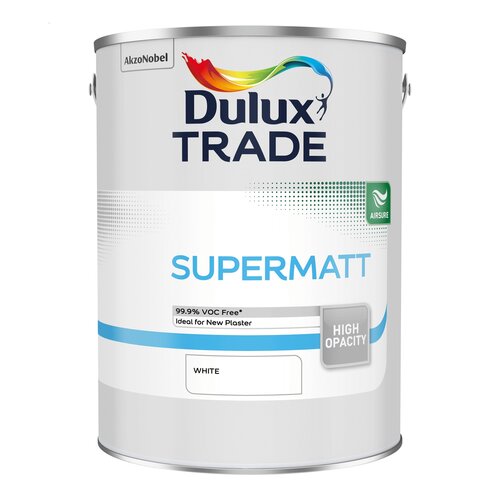
Dulux Trade Supermatt - 10L White
Dulux Trade Supermatt, 10L White. High-opacity matt emulsion.
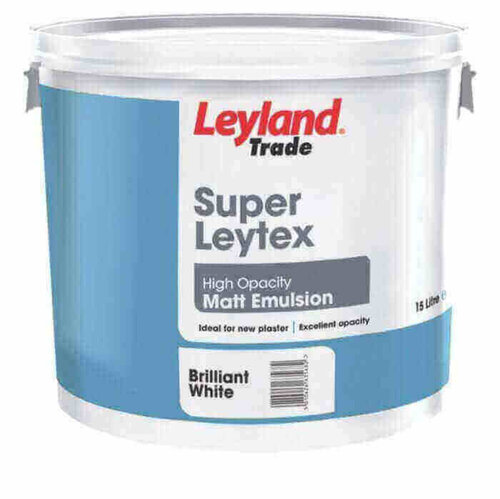
LEYLAND Super Leytex - 15L B/White
Brilliant white matt emulsion for new plaster, 15 litres
Dulux Trade Vinyl Matt Colour Mixing - 5L
Dulux Trade Vinyl Matt Colour Mixing 5L. A high-opacity matt emulsion for interi…
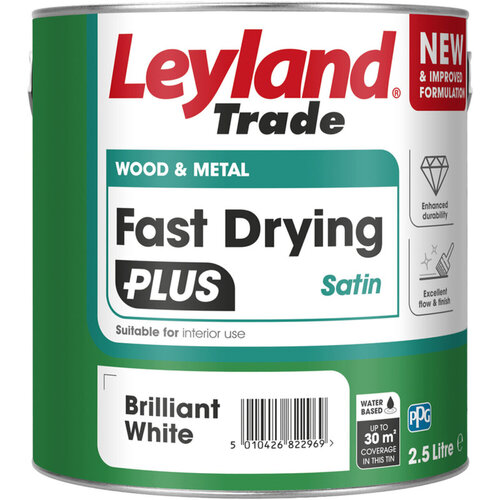
Leyland Fast Drying Plus Water Based Satin Paint - Brilliant White 2.5L
Fast drying water-based satin paint for wood and metal, brilliant white, 2.5 lit…
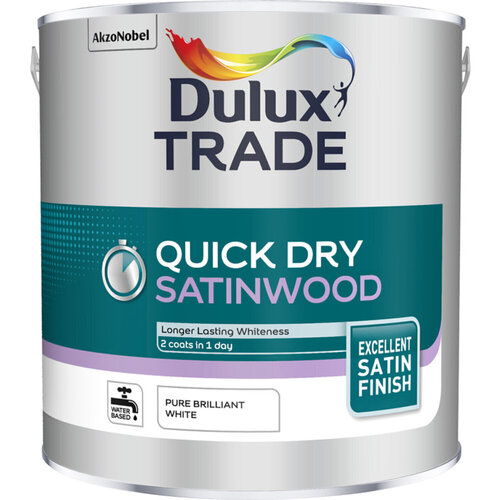
Dulux Trade Quick Dry Satinwood Paint - 2.5L Pure Brilliant White
Dulux Trade Quick Dry Satinwood Paint, 2.5L Pure Brilliant White. Water-based sa…
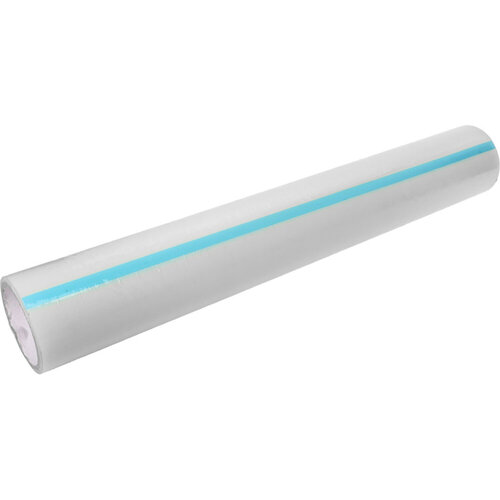
Pinnacle Carpet Protection Film - 600mm x 20m
Self-adhesive carpet protector film, 600mm x 20m roll, clear polythene, for synt…
For the Trade
You narrow interior paint & surface preparation by room use, the finish you need, and how much prep the surface will take. On a quick turnaround, you want products that recoat cleanly and keep the job moving between coats. In harder-wearing areas, the spec often shifts before the colour does. Most call-backs come from poor prep or from mixing systems that do not sit well together. If you are working across a full job, keep the main choice aligned with the rest of the Painting & Decorating order so you are not chasing different systems halfway through.
Bathroom Paint
Bathroom Paint is the one you pick when moisture and cleaning are part of the brief, not just the finish. Compared with standard interior paint & surface preparation, it is usually chosen for better resistance to steam, splashes and repeated wiping, so it earns its place where the room gets worked hard.
The trade-off is simple. You pay for that extra resilience, and the surface still needs to be sound and properly prepared or it will let you down like any other coating. For a straightforward wall job elsewhere, emulsion is still the cheaper call. For this room, Bathroom Paint is the narrower buy.
Drop Cloth
When you’re on interior paint & surface preparation, the first call is what needs covering and how much prep is left before you open the tin. If the surface is sound and you only need to protect floors and fittings, Drop Cloth is the quick add-on. If you need more containment, move up to heavier protection.
A sheet that shifts or tears is the one that gets you called back. Pick the weight that suits the room and the amount of traffic. That saves you grief, not chasing the cheapest cover.
Dust Sheets & Carpet Protectors
For this bit of interior paint & surface preparation, the main call is how much protection you need underfoot and how much movement you can tolerate on the job. Lighter sheets work for quick, low-risk work, but they can creep if the floor is busy or the route through the room is awkward.
Heavier Dust Sheets & Carpet Protectors stay put better and give you more confidence around carpets and finished floors. They take a bit more handling and storage, but that trade-off matters when the job is tight. The sheet that stays where you put it is the one that saves you grief later.
Emulsion Paint
Emulsion Paint is the one you reach for on standard walls and ceilings when you want the finish to go on cleanly without overcomplicating the spec.
The real call is usually coverage, recoat time and how forgiving the surface is. On fresh, sound plaster, you can keep it straightforward. On patchy or tired walls, a better covering trade interior paint saves you chasing it with extra coats.
Matt hides more. A tougher finish is easier to wipe. If the substrate is poor, the paint won’t hide that for you.
Interior Wood / Trim Paint
Trim work narrows the choice fast. You’re usually weighing a cleaner edge against a finish that keeps moving on a busy job. Brush marks, blocking and recoat time matter more here than on broad wall areas.
Interior wood / trim paint is the pick for skirting, architraves and doors when you need a harder-wearing film. Wall products in interior paint & surface preparation still suit larger flat areas better. The decision comes down to how much wear the timber will take, and how quickly you need to get back on with the next coat.
Kitchen Paint
Kitchen paint is usually picked for the bits that get wiped, steamed and knocked about. You are not just choosing a colour. You are choosing how much cleaning and moisture the finish will take before it starts to look tired.
On a sound substrate, a standard trade interior paint may be enough. Once you have grease, frequent washing or a busy prep area, the harder-wearing option is usually worth the extra spend.
Coverage and recoat time still matter. A quick turnaround can be more useful than chasing a slightly tougher finish. If the surface is patchy or contaminated, the prep matters as much as the topcoat.
Choosing Materials and Size
The first question is what you’re painting over. Coverage and recoat time only mean something once you know the substrate. New plaster pulls differently to bare masonry. A previously painted wall often tells you more about the next coat than the colour does.
That is where interior paint & surface preparation gets decided. More absorbent surfaces usually need a different build-up. Sound painted areas are more about matching the finish and getting the next coat on at the right point.
For the rest of the job, Decorating Tools & Equipment matters as much as the paint. The wrong roller or brush will show up fast on a tight finish.
Completing the Setup
Once you’ve picked the coating, the next call is what the surface needs before it goes on. Fresh plaster, patched walls and tired paint all behave differently, so you may need a primer, sealer or undercoat before you open the topcoat.
That’s where interior paint & surface preparation saves you from chasing absorption and patchiness later. If the room is being turned around quickly, the prep system matters as much as the finish - a fast topcoat over the wrong base usually shows up on the second coat. Keep the protection and prep kit in step with the job, not just the colour.
Related searches
Local availability for Interior Paint & Surface Preparation