Chalkboard Paint
Chalkboard paint comes down to what you’re putting it on and how hard it will be used. Standard blackboard paint is usually the economical call for a simple writeable finish, while magnetic chalkboard paint only makes sense if you need magnets as well. On rough or patched walls, coverage and recoat time matter more than the label on the tin - a poor base will show through and slow you down. For a cleaner, harder-wearing board face, chalkboard wall paint is the one to look at.
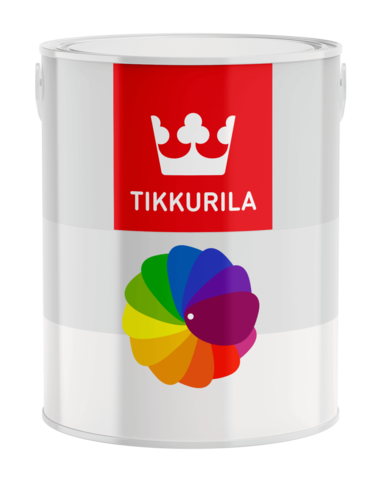
Tikkurila Liitu - Blackboard Paint - Colour Mixing - 1L
Tinted blackboard paint, 1 litre
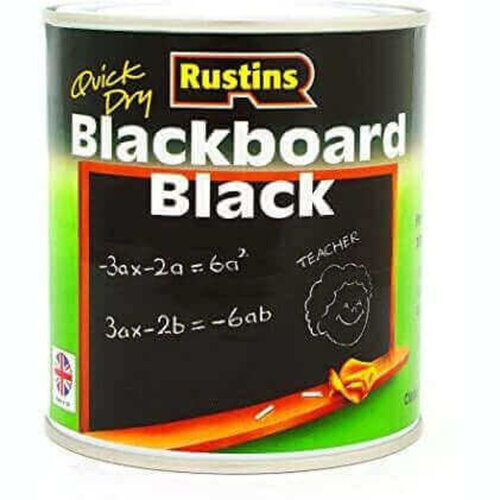
Rustins Blackboard Paint - 2.5L Black
Matt black blackboard paint, 2.5L, for interior and exterior use.
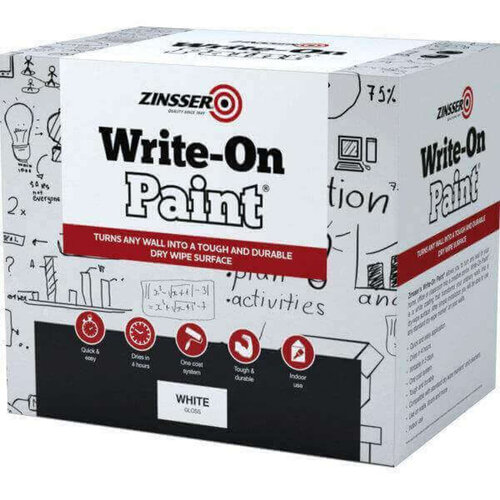
Zinsser Write-On Paint Gloss - 2.5L
2.5L gloss white paint turns walls into dry-wipe surfaces
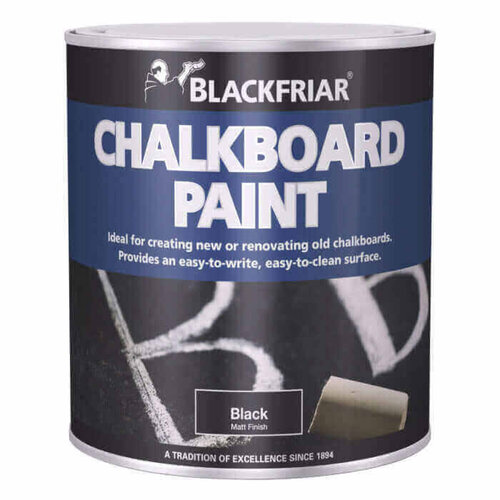
Chalkboard Paint Matt - 2.5L Black
Matt black chalkboard paint in a 2.5-litre tin
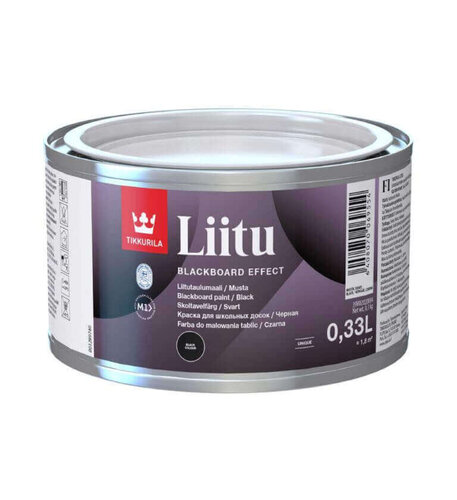
Tikkurila Liitu Matt Blackboard Paint for Walls & Furniture Water-Based - 0.33L …
Tikkurila Liitu 0.33L black matt blackboard paint, M1 certified for indoor air q…
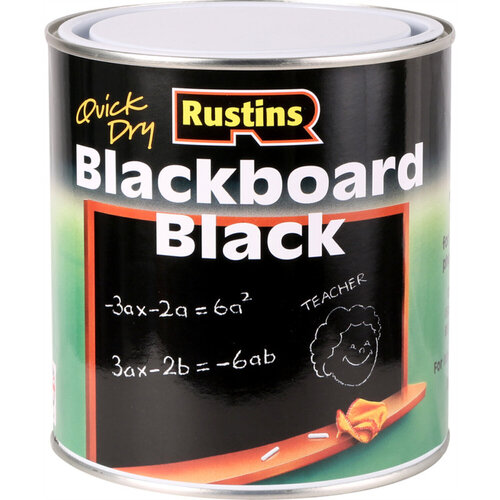
Rustins Quick Dry Matt Blackboard Paint - 1L
1L quick-dry matt blackboard paint, up to 12m² coverage
Rust-Oleum Universal - Pure Gold Metallic
Magnetic chalkboard paint in Pure Gold Metallic with tough scratch-resistant fin…
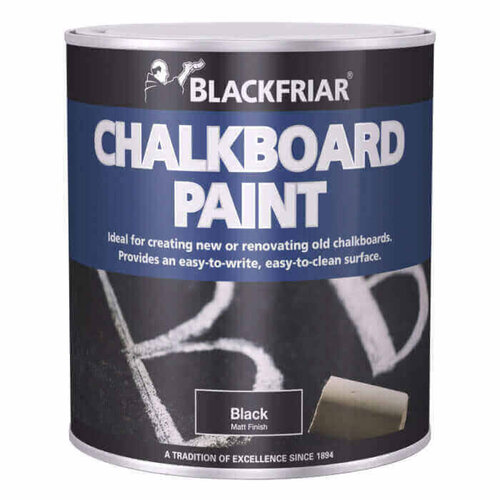
Blackfriar Chalkboard Paint - Matt Black 250ml
Blackfriar chalkboard paint in matt black, 250 millilitres.
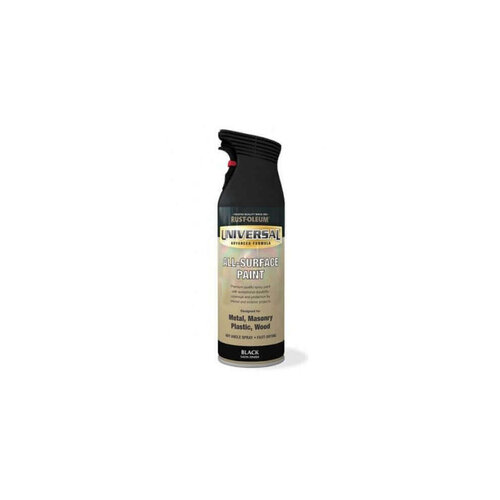
Rust-Oleum Universal - Black satin
Rust-Oleum Magnetic Chalkboard Paint, black satin finish — writeable, wipeable, …
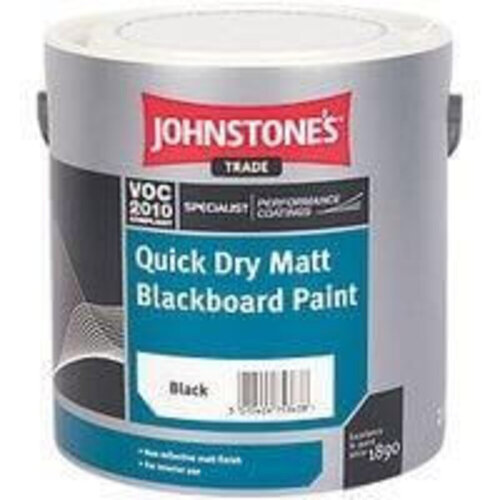
Rustins Blackboard Paint - 2.5L Black
2.5L blackboard paint with smooth, non-reflective black finish, touch-dry in 1-2…
For the Trade
You’re usually choosing between a plain writeable finish and one with extra features. Start with how the space gets used, not the label. A busy notice area needs a surface that takes repeated writing and cleaning without looking tired too quickly, so the finish matters as much as the colour. If you need magnet use as well, magnetic chalkboard paint is the one to look at, but it’s a different spec and usually not the cheapest route. For a straightforward board or wall panel, blackboard paint keeps the job simpler and avoids paying for features you won’t use.
Chalkboard Paint Types and Layouts
For most jobs, the first call is between blackboard paint and chalkboard wall paint. Blackboard paint suits smaller boards, menu panels and fixed notice areas where you want a neat writeable finish without overcomplicating the spec.
Chalkboard wall paint or chalkboard wall coating comes in when you’re covering a larger wall section or a more exposed area. It gives you a tougher, more continuous finish. The trade-off is less simplicity, and you often need to be more careful about the base.
Write on paint and writeable paint are the broader labels you’ll see when the job is about a writable surface rather than a traditional board look. If the finish matters more than the name on the tin, these are worth checking first. If you’re comparing the wider Specialist Paint range, this is where the job layout usually decides it.
What to Check Before You Buy
Coverage and recoat time only matter once you know what you’re painting over. New plaster usually takes more in, so allow for a heavier first coat and a proper dry before the next pass. Previously painted surfaces are more predictable, unless they’ve been patched or sanded back.
Bare or repaired areas can still change the spread on a small job. If you’re finishing boards, panels or a counter front, Furniture Paint is the next call. For a hot pipe cover or casing, Radiator Paint is the better fit.
Useful Alongside Chalkboard Paint
Once you’ve picked the chalkboard paint, the next call is what the surface needs before it goes on. Fresh plaster, patched areas and anything patchy usually need the right primer or undercoat first. Skip that and you’ll be chasing marks and an uneven finish later.
If the job includes other painted details, sort those at the same time. Furniture paint covers boards, counters or display pieces. Radiator paint comes in where the spec runs onto hot metal. That keeps you on one system instead of stopping halfway through the job.
Related searches
Local availability for Chalkboard Paint