Damp Proof Paint
Damp proof paint is the call when you need a coating to hold back light moisture and you are choosing between a wall finish and a heavier waterproofing system. Check the substrate, how much damp you are dealing with, and whether you need a quick recoat or a fuller build-up. If the wall is sound but troublesome, it is often the simpler option. If the surface is badly contaminated or the moisture source is still active, you will usually need more than paint.
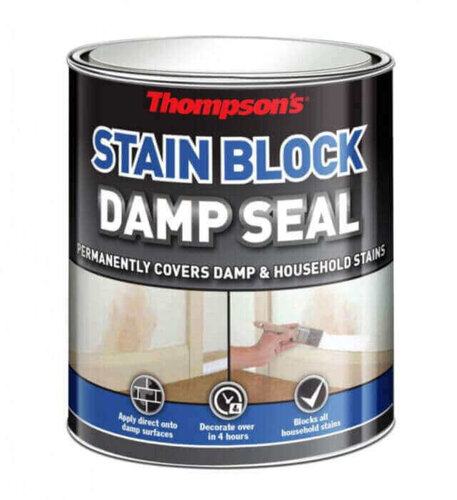
Thompson's Stain Block Damp Seal - 750ml White
White 750ml damp seal for blocking stains on damp surfaces
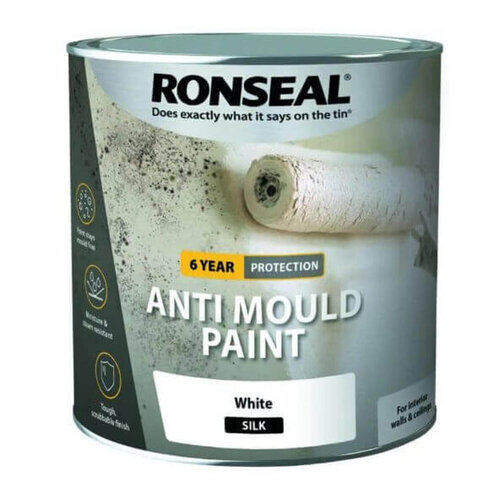
Ronseal 6 Year Anti Mould Paint - 750ml White Silk
White silk anti-mould paint, 750ml, up to 6 year protection
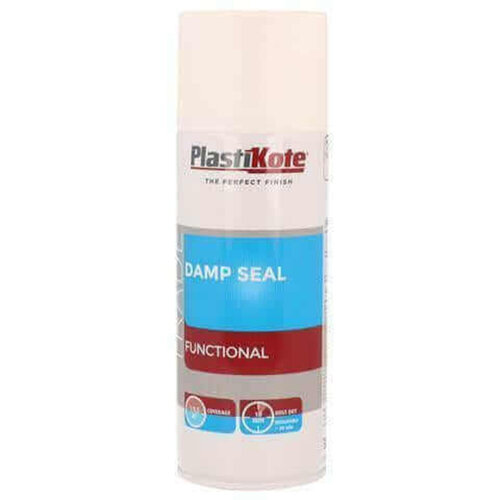
Plasti-Kote Trade Damp Seal - 400ml White
Fast-drying insulating primer for internal and external use, 400ml white
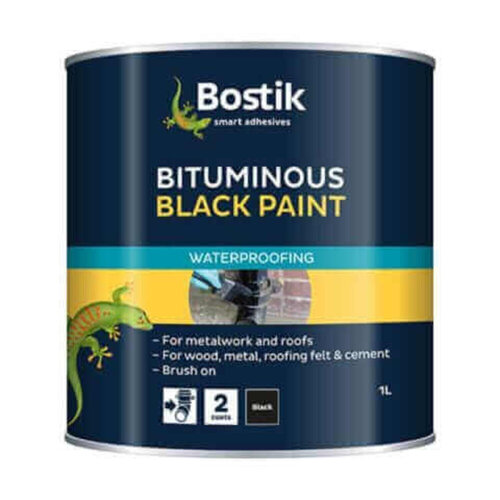
Bostik Bituminous Paint - 1L Black
1 litre black bituminous paint
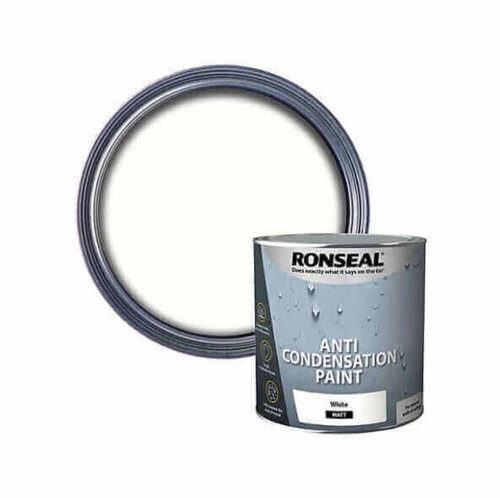
Ronseal Anti Condensation Paint - 2.5L White
Anti-condensation paint, adds insulation, prevents mould, tough finish, 2.5L whi…
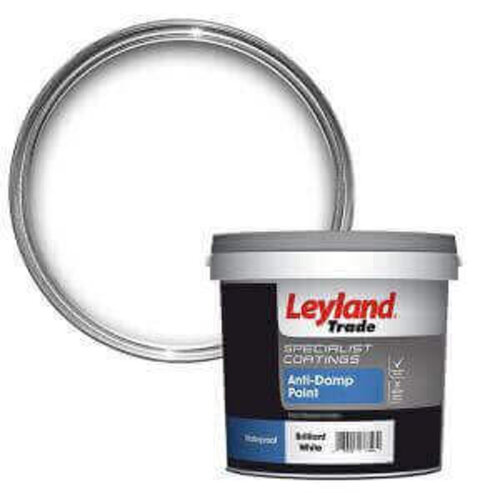
Leyland Trade Mid Sheen Anti-Damp Paint - 2.5L White
2.5L white mid-sheen anti-damp paint by Leyland Trade
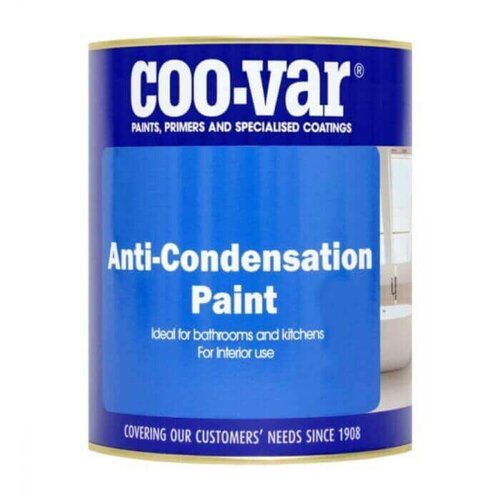
COO-VAR Anti-Condensation Paint - 1L white
White anti-condensation paint reduces moisture discolouration, 1L
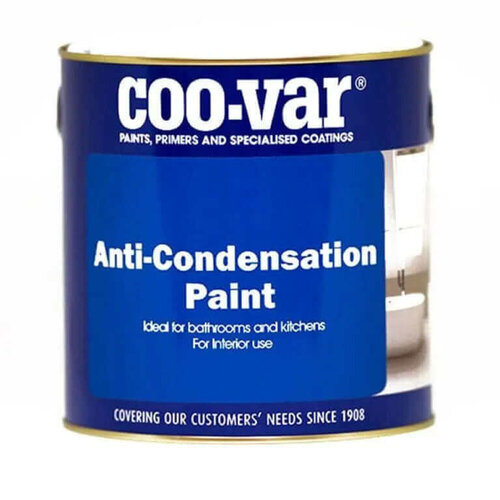
Coo-Var Anti Condensation Paint - 500ml White
Coo-Var white anti-condensation paint 500ml
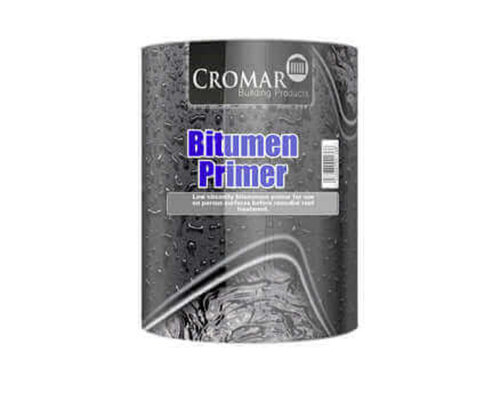
Cromar Bitumen Paint - 2.5L Black
Black bitumen paint, 2.5 litres
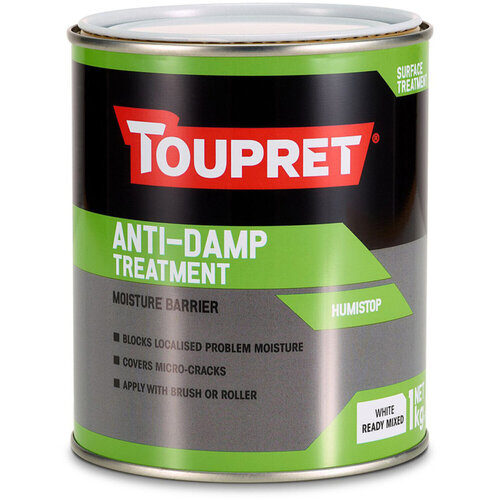
Toupret Anti-Damp Treatment - 1kg
1kg white damp seal treatment for interior and exterior use, water-based.
For the Trade
You’re usually at damp proof paint when you need a moisture barrier without moving into a full waterproofing system. First check how far the problem goes. A light internal patch, a recurring wall stain, and a masonry face all point you in different directions. Coverage and recoat time matter too. Some jobs need a quick turnaround. Others need a heavier build. The usual mistake is treating every damp issue the same, then wondering why the finish fails back through.
Damp Proof Paint Types and Layouts
Start with the job and the surface. Damp proof wall paint is the usual pick for internal patches when you want a neater finish and less build-up. Damp proof masonry paint suits rougher external backgrounds, where the surface needs a heavier hand.
For a more stubborn area, damp proof coating and damp proof treatment paint sit at the heavier end. You get more of a barrier, but you give up some ease of application and a bit of flexibility on the finish. If you are working through the wider Specialist Paint range, the job spec matters more than the label on the tin.
What to Check Before You Buy
Coverage and recoat time only mean much once you know what you’re painting over. New plaster usually takes more in, so the spread rate drops and you may need longer before the next coat. Bare masonry can be even more variable, especially if it’s patched or dusty.
Previously painted surfaces are different again. If the old finish is sound, you’re often buying for adhesion and sealing rather than bulk coverage. That is where damp proof paint earns its keep, but only if the substrate is right. If the job is metalwork or you need a different application method, move to Metal Paint or Spray Paint instead.
Useful Alongside Damp Proof Paint
Once you’ve settled on damp proof paint, the next call is what the surface needs before it goes on. If the background is dusty, friable or patchy, you’ll usually want a proper sealer or primer first. Otherwise the coating sits on a weak face and gets blamed later.
On smoother or already painted areas, the issue is adhesion and how much build-up you can live with. Then it comes down to the tools - brushes, rollers or spray, depending on access and how much masking you’re prepared to do. A lot of call-backs start with the prep being rushed, not the damp proof paint itself.
Related searches
Local availability for Damp Proof Paint









