Floor Paint
Floor paint comes down to what the floor is taking and how long you can keep it out of use. For a garage or workshop, you’re usually weighing a tougher build and chemical resistance against recoat time and how sound the concrete is. A thin coating on a dusty slab is the one that gets called back. If you need a quicker turnaround, fast drying floor paint can suit, but you give up some working time. Anti slip floor paint is worth specifying where wet boots, tyres or spill risk matter more than a smooth finish.
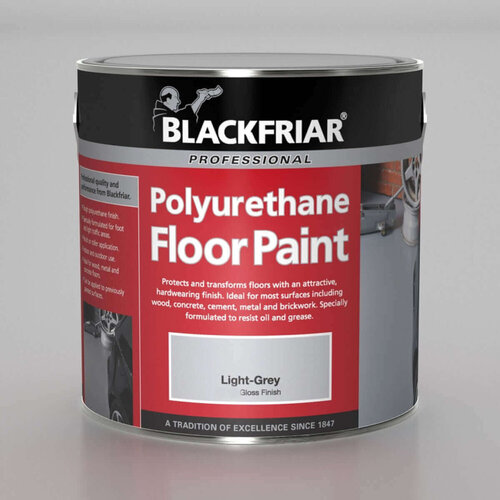
Blackfriar Floor Paint Polyurethane - 5L Dark Grey
Polyurethane floor paint for hard-wearing protection, 5L, dark grey.
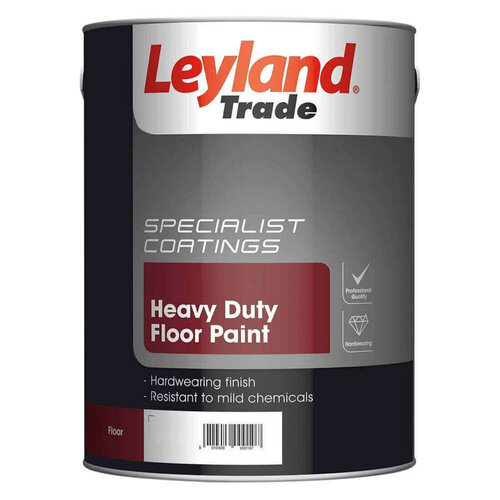
Leyland Floor Paint - 5L Nimbus Grey
Leyland Floor Paint 5L in Nimbus Grey
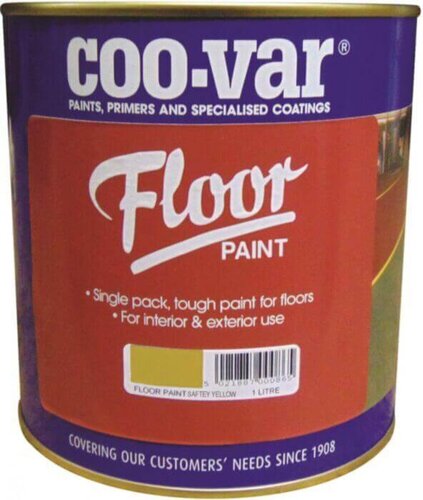
COO-VAR Floor Paint - 1L Safety Yellow
1 litre single-pack safety yellow floor paint, indoor and outdoor use
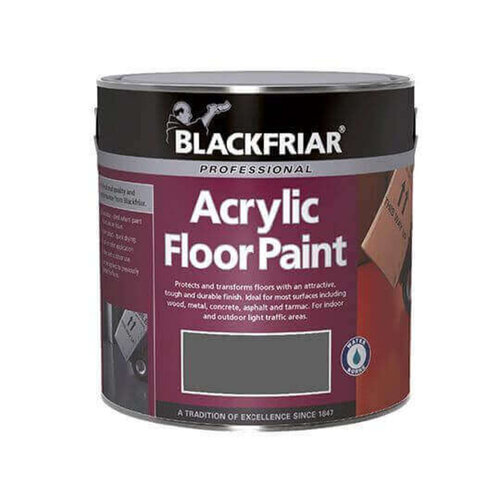
Blackfriar Acrylic Floor Paint - 1L Mid Grey
Quick-drying semi-gloss acrylic floor paint for concrete, wood and more, mid gre…
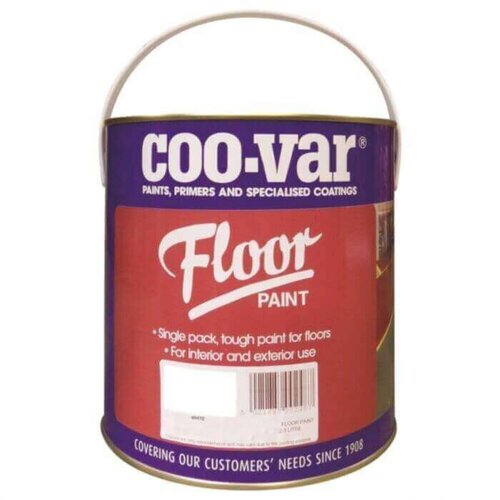
COO-VAR Floor Paint - 2.5L White
Single pack white floor coating for interior and exterior floors
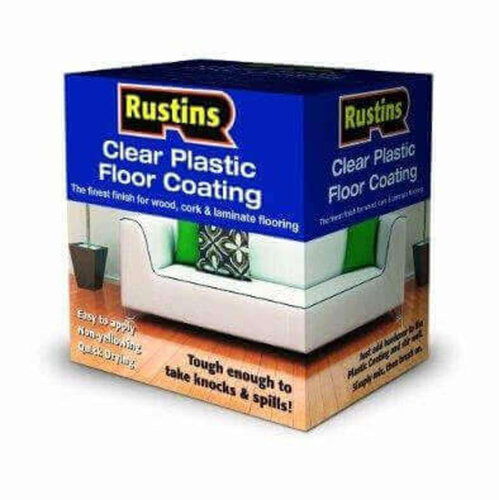
Rustins Plastic Coating for Floors Gloss - 1L Clear
1-litre clear gloss two-part floor lacquer for wood and stone
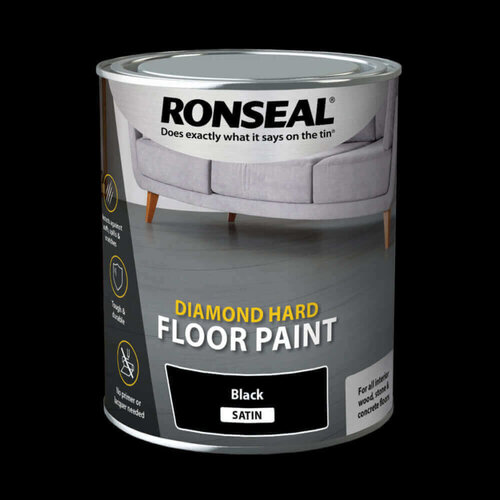
Ronseal Diamond Hard Floor Paint - 750ml Black
Diamond hard floor paint resists knocks, scuffs and spills, 750ml black
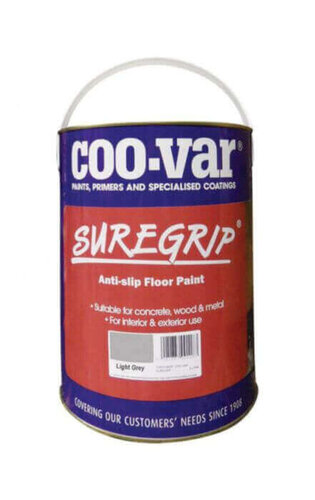
Coo-Var Sure Grip Floor Paint - 5L Light Grey
Anti-slip floor paint for indoor and outdoor use, 5L light grey
Johnstone's Garage Floor Paint - 750ml Black
Black 750ml floor paint for durable interior concrete protection
Bona Traffic HD Extra Matt with Bona Traffic HD Hardener - 4.95L 2 Pack
Highly durable two-component polyurethane wood floor finish, matt
For the Trade
You’re usually choosing floor paint on three things first: how hard the floor gets used, how quickly you need it back in service, and whether you need grip as well as colour. Fast drying floor paint suits jobs where access matters, but you give up some working time and often need a cleaner start. Epoxy floor paint is the one people reach for when they want a tougher finish, though it tends to be less forgiving if the prep or timing slips. On a smooth concrete floor, the spec is often driven by wear and cleaning. If wet boots or spillages are part of the job, anti slip floor paint makes more sense.
Floor Paint Options Compared
Heavy duty floor paint is the one you reach for when the floor takes regular traffic and you want more margin against wear. Standard floor paint is usually enough where use is lighter and the finish matters more than abuse resistance.
Fast drying floor paint earns its keep when access time is tight. You give up working time, so it is not the one to pick if you need to keep adjusting the coat.
Anti slip floor paint is the sensible call where grip matters. The finish is usually less smooth, so you need to be clear whether you want a light texture or a more obvious anti slip floor coating.
For harder-wearing specs, epoxy floor paint is often the step up. Concrete floor paint is the label to watch when the substrate is the main concern.
If you are comparing the wider Specialist Paint range, that usually narrows the job down quickly.
Choosing Materials and Size
Coverage and recoat time only matter once you know what you’re painting over. New plaster, bare masonry and previously painted concrete all pull differently, so the same floor paint can spread very differently from one job to the next.
On a sound, sealed floor, coverage is usually better and the finish is cleaner. On a porous or repaired surface, the first coat goes further, so plan the system around that. The next call is the paint system itself - whether you need a primer, a tougher epoxy floor paint, or a straightforward topcoat.
If the job runs onto trims or uPVC details, keep Upvc Paint separate. For coated cabinets or benches, Furniture Paint is the closer match.
Completing the Setup
Once you’ve picked the floor paint, the next call is what goes under it and what goes on top. Bare or patchy concrete usually needs the right primer or undercoat first. Skip that and you can end up chasing soak-in and an uneven finish.
If the floor is already sound, the focus shifts to prep and the tools that suit the surface. Roller, tray and edging gear need to match the coating, or you’ll fight it. If the job runs into adjacent areas, check the surrounding finish as well. A separate line like furniture paint or upvc paint can keep you from mixing systems on site.
Related searches
Local availability for Floor Paint