Furniture Paint
Furniture paint is the one you pick when the job needs a harder-wearing finish than standard interior paint, but the right choice still comes down to the piece and the finish you need. Quick-dry options suit cabinets and cupboards when you want the job turned round faster. On larger tables or wardrobes, slower-drying paints can give you more working time. On rougher or previously coated timber, coverage and recoat time usually matter more than the colour on the tin - that is where most call-backs start if the surface is not sound.
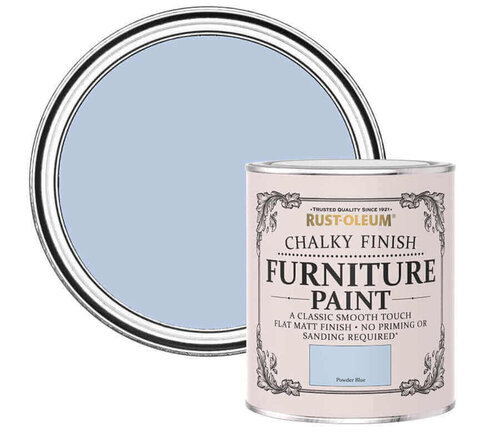
Chalky - 750ml Powder Blue
Rust-Oleum Chalky paint in Powder Blue, 750ml.
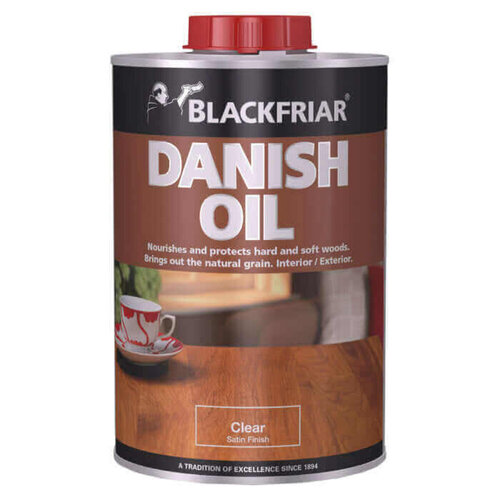
Blackfriar Danish Oil
Danish oil providing a satin scratchproof finish with UV protection
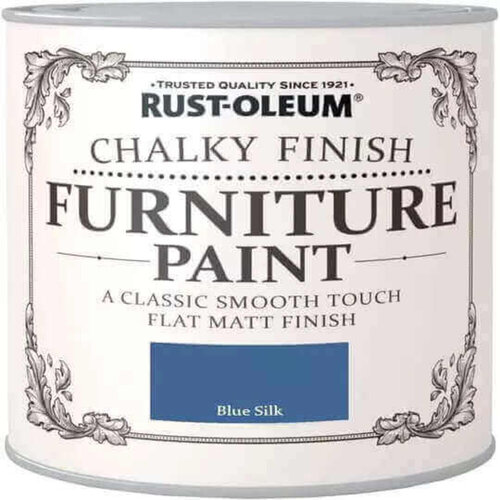
Rust-Oleum Chalky Silk - 125ml Blue
Blue chalky silk furniture paint, 125ml.
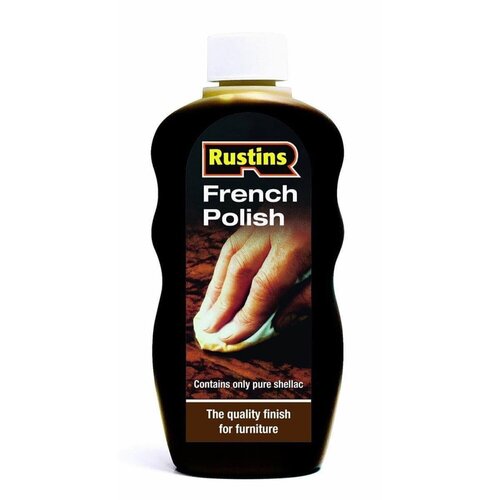
Rustins French Polish - 300ml
Traditional French polish for all dark and light coloured woods, 300ml.
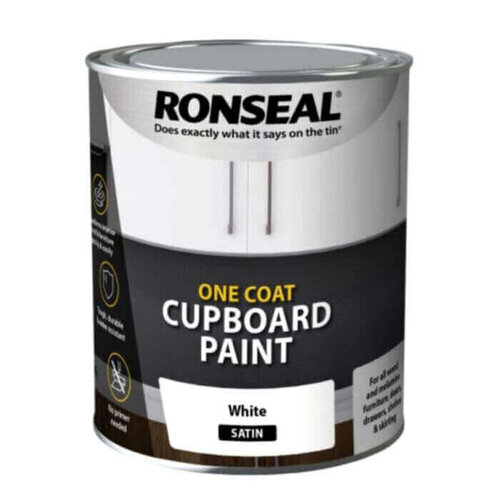
Ronseal One Coat Cupboard Paint Satin - 750ml White
750ml white satin cupboard paint for wood and melamine, one coat
Rust-Oleum Furniture Finishing Wax
Dark finishing wax for Rust-Oleum Chalky Finish paint
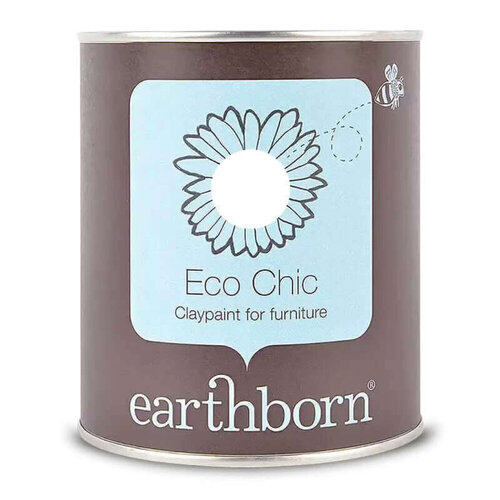
Earthborn Eco Chic Clay Paint - 750ml White clay
750ml white clay paint for furniture and upcycling
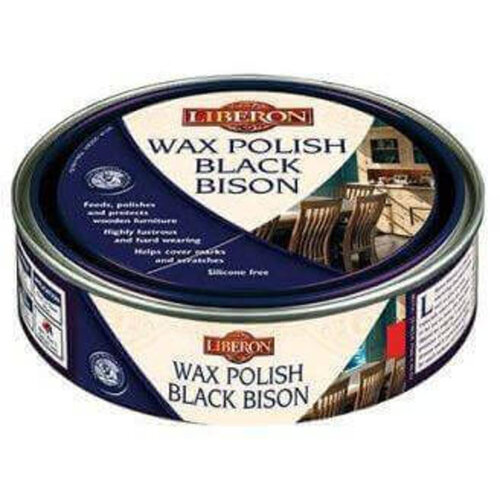
Liberon Black Bison Paste - 500ml Victorian Mahogany
Nourishing 500ml paste wax for interior wood, Victorian Mahogany
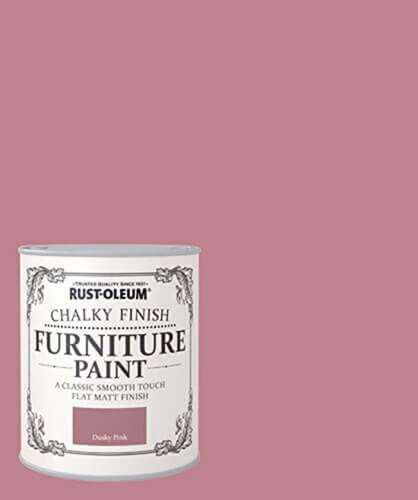
Rust-Oleum Chalky Furniture Paint - 125ml Pink
Pink matt chalky furniture paint for interior use, touch dry in 1 hour.
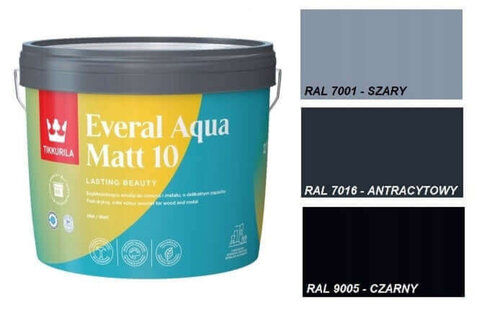
Tikkurila Aqua Furniture Paint - 2.7L Matt Black
Water-based matt black furniture paint for interior and exterior surfaces, 2.7 l…
For the Trade
Start with the piece and the finish you need, then work out how much handling it will take. Furniture paint for cabinets and cupboards is usually the pick when you want a tighter, cleaner finish and less waiting around between coats. Tables, chairs, shelves and wardrobes may need more patience if the item is larger or gets knocked about. The jobs that cause grief are the ones where the paint suits the look but not the use. Ask how much wear the surface will see and how soon it needs going back into service.
Popular Furniture Paint Formats
If you’re choosing furniture paint, the first split is usually speed against working time. Quick-dry furniture paint suits cabinets and cupboards when you want the job turned round and the doors back on, but you give up a bit of open time.
For wider panels, furniture paint for tables or wardrobes is often the calmer pick because you’re less likely to chase brush marks or lap lines. Chairs and drawers sit between the two, so finish and handling matter more than the label.
If you want the broader Specialist Paint range, check the parent page first.
Key Differences When Choosing
What usually decides it is the condition of the piece, not the label on the tin. On bare or repaired timber, you want a system that covers evenly and does not leave you chasing patchy absorption. On previously painted furniture, the focus shifts to adhesion and how soon you can recoat without dragging the finish.
Coverage and recoat time only mean something once you know the substrate. New plaster, bare timber and painted surfaces all behave differently.
If the job includes hot pipework or trim nearby, Radiator Paint is the separate call. Where the brief is security rather than finish, Anti Climb Paint sits in a different lane altogether.
Next Decisions After Choosing
Once you’ve picked the furniture paint, the next call is the system around it. If the piece is tired, stained or patched, you’ll usually want the right primer or undercoat first - that helps stop bleed-through and saves you chasing the finish.
For a cleaner repaint, you may only need a light key and a decent topcoat. A poor base is what gets you the call-back. Then there’s the finish kit. Use brushes for edges and mouldings. Go with a roller where you need a flatter face on larger panels and doors.
Related searches
Local availability for Furniture Paint