Line Marking Paint
Line marking paint usually comes down to two things first: where it’s going and how long it needs to stay sharp. For a quick refresh or temporary layout, line marking spray can do the job. Car parks, warehouses and other hard-wearing areas usually need a heavier-duty line paint that stands up better to traffic and cleaning. Concrete, tarmac and asphalt all behave differently, so the wrong match can mean early wear and callbacks.
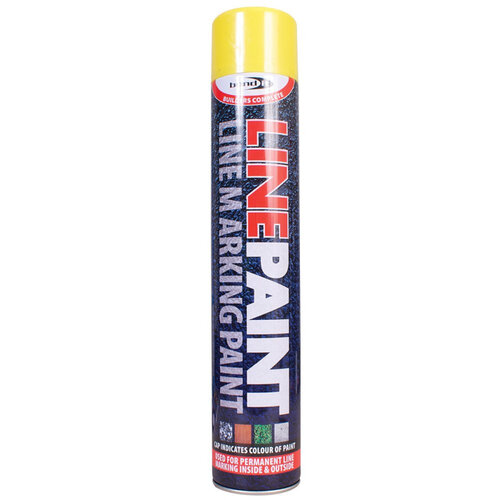
Line Marking Spray Paint 750ml - Yellow
Yellow 750ml aerosol line marking paint for roads, car parks and sports fields
Sealocrete Sealoline Line Marking Paint - 750ml Red
Red line marking paint, 750 millilitres.
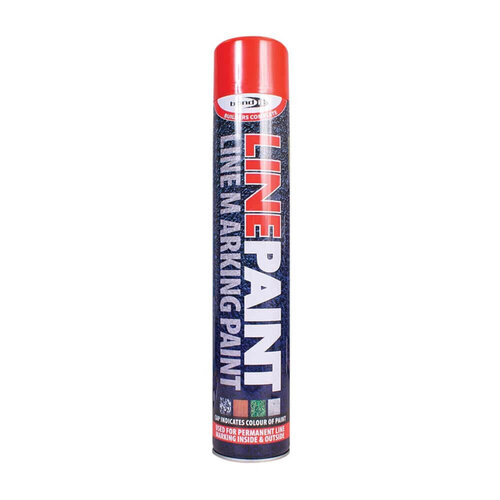
Linemarker Paint - Red
Red line marking paint with semi-permanent quick-dry formula
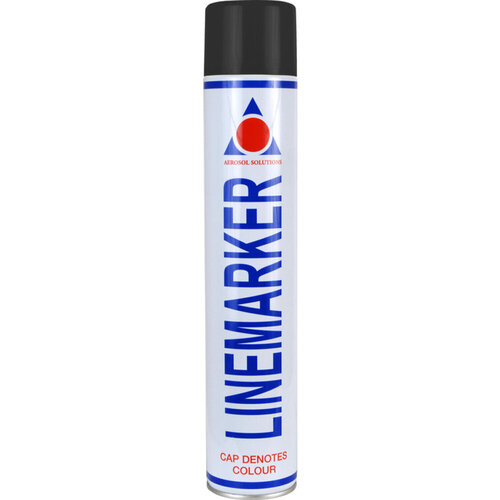
Line Marking Spray Paint 750ml - Black
Black 750ml aerosol line marking paint for roads, car parks and sports fields
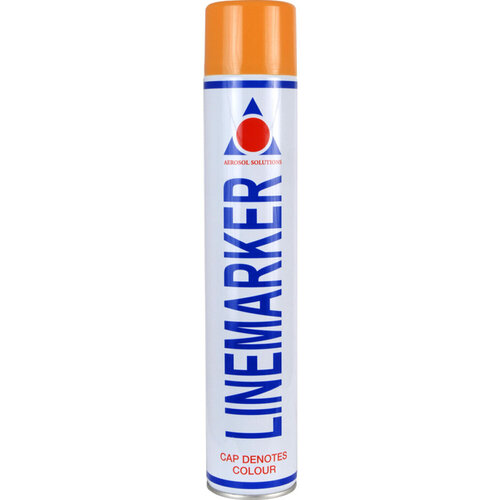
Line Marking Spray Paint 750ml - Orange
Orange 750ml line marking spray paint for durable, semi-permanent markings
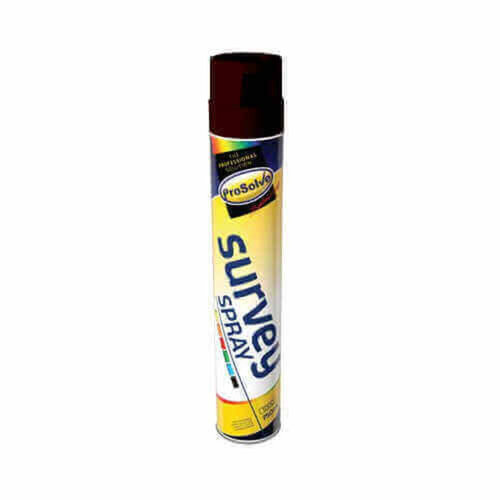
Prosolve Survey Spray Paint - 750ml Black
Black survey spray paint, 750ml can
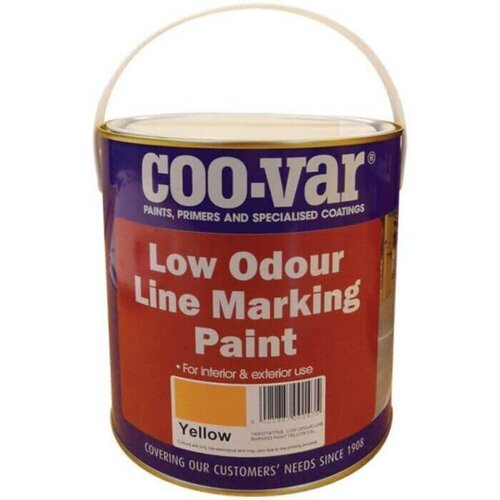
COO-VAR Road Line Marking - 2.5L Yellow
Fast-drying yellow road line marking paint, 2.5 litres
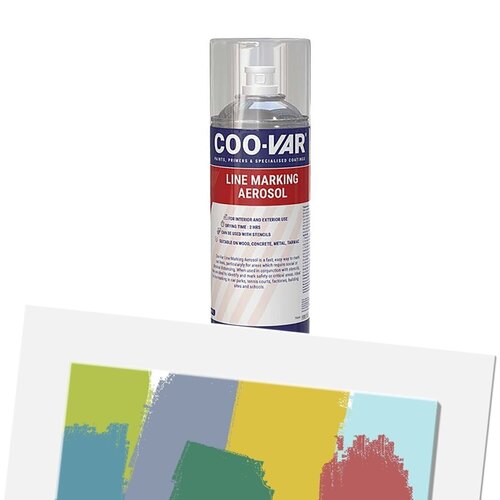
COO-VAR Line Marking Aerosol - 750ml
Fast-drying line marking aerosol paint, 750ml, for indoor and outdoor surfaces
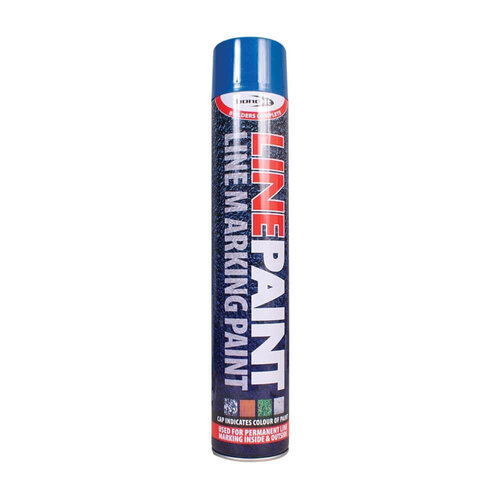
Line-It Linemarker Paint - Blue
Lead-free, quick-drying blue line marking paint, lasts up to 3 months
Everbuild Surveyline Marking - 750ml White
White water repellent to protect brick and masonry from damp
For the Trade
Start with how long the marking needs to hold and how much traffic it will take. A short-term job can get by with a simpler line paint. Once forklifts, turning tyres or regular cleaning come into it, you need a heavier-duty option that keeps its edge. The surface matters as well. Line marking paint for concrete, tarmac or asphalt can behave differently once the substrate is dusty, porous or already coated. If you need to work fast, line marking spray is worth a look, but you give up some control on wider bays and tighter layouts. White, yellow, blue and red are usually chosen for the job spec, not for looks.
Popular Line Marking Paint Formats
White line marking paint is the usual pick when you need clear, standard marking and want the job settled without fuss. Yellow works better when the layout needs to stand out, especially around hazards or traffic control, but it can look out of place if the rest of the site runs white. Red is usually kept for stronger warning or separate identification, so it is less about general marking and more about making people stop and notice.
For hard surfaces, line marking paint for concrete, line marking paint for tarmac and line marking paint for asphalt are the same buying decision in practice. You are matching the paint to the base so it holds up properly. Get that wrong and the job comes back. If you are comparing the wider range, Specialist Paint is the parent hub.
Key Differences When Choosing
The first question is what it’s going onto, because coverage and recoat time shift with the substrate. Fresh concrete and bare tarmac usually pull more paint than a previously painted bay, so the same line marking paint can go a lot further on one job than another.
If the surface is patchy or repaired, allow for a second pass rather than trust the tin. That is where the next paint-system decision matters too. If the marking is going over a finished item, Furniture Paint or Radiator Paint may be the better call for the surrounding work, while line paint stays the right pick where the marking itself has to stay clear and quick to read.
Next Decisions After Choosing
Once you’ve picked the line marking paint, the next call is what the surface needs before you open the tin. Bare or dusty concrete needs more than a sound, previously marked bay, so you may need a primer or cleaner first rather than just more paint.
If the line has to go down quickly, line marking spray is worth a look on smaller runs. You save time, but you give up some control on the edge. For the rest of the system, use the tools that suit the surface - a roller on a flat bay, a marker for straighter runs, and the right prep products if the base is patchy.
Related searches
Local availability for Line Marking Paint