Metal Paint
Metal paint comes down to what you’re coating and how hard the finish needs to work. For gates, railings and other exposed metalwork, you’re usually weighing up rust protection, drying time and how much prep the surface needs before you start. A quicker-drying product keeps the job moving, but it can be less forgiving if the metal is still carrying old corrosion or patchy keying. If the steel is sound and you just need a tidy, durable finish, standard metal paint is often enough. If rust is already showing, go for more protection rather than just colour.
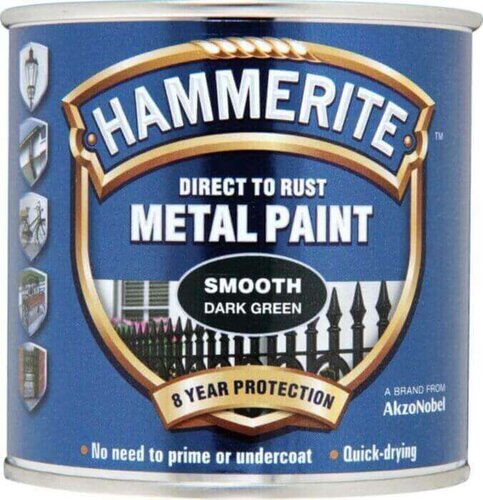
Hammerite Metal Paint Direct to Rust Smooth - 250ml dark green
Smooth dark green metal paint, direct to rust, 250ml.
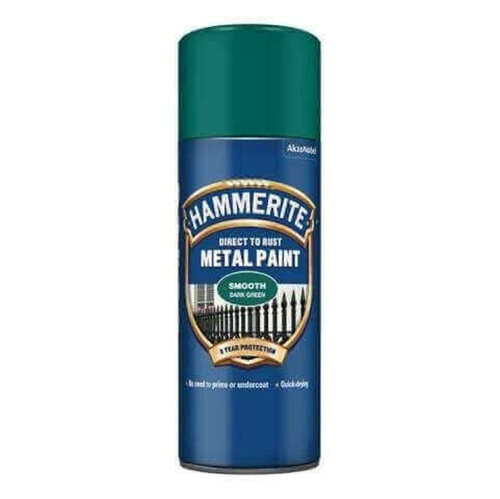
Hammerite Smooth Aerosol - 400ml Dark Green
Direct to rust gloss metal paint aerosol, dark green, 400ml
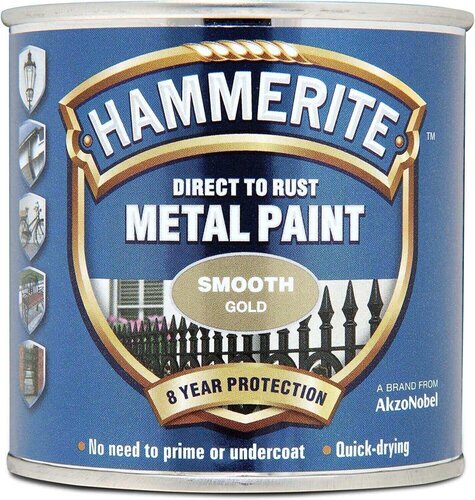
Hammerite Metal Paint Smooth - 250ml Gold
Smooth gold metal paint, 250 millilitres
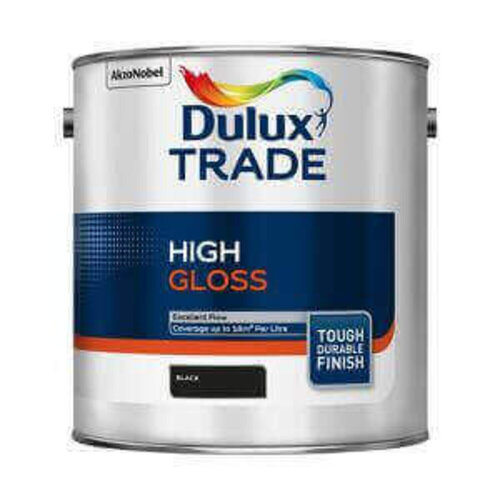
Dulux Trade Gloss Black - 2.5L
Solvent-based gloss paint for interior and exterior wood and metal, high shine f…
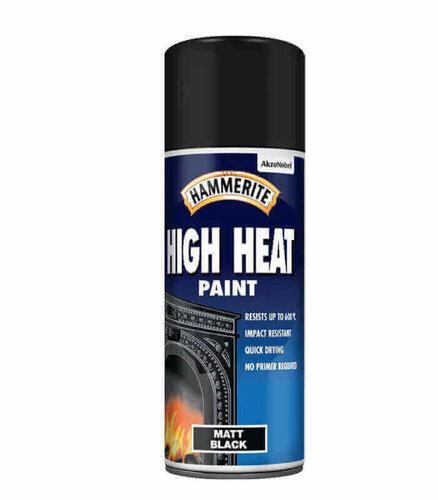
Hammerite High Heat Aerosol - 400ml Matt Black
400ml matt black high heat aerosol metal paint
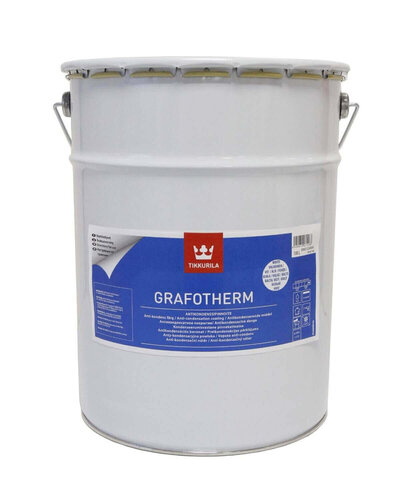
Tikkurila Grafotherm Interior Anti-Condensation Paint for Steel & Metal Water-Ba…
Anti-condensation paint for interior metal, 18L white
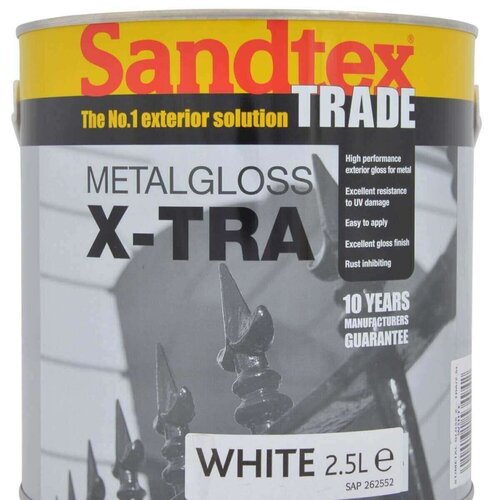
Sandtex Trade Metal Gloss X-Tra - 2.5L White
Solvent-based gloss paint for exterior metal, 10 years proven durability, white …
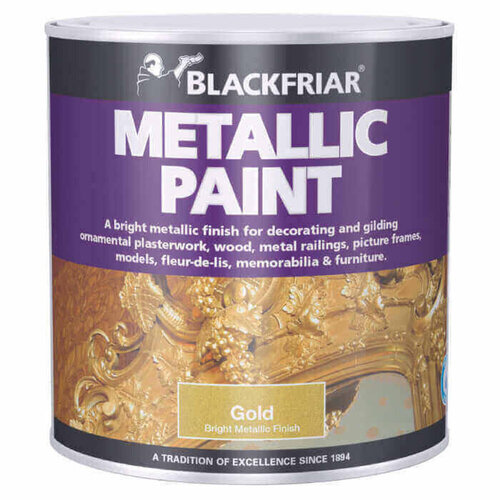
Blackfriar Metallic Paint
Bright metallic paint for gilding and decorating ornamental surfaces.
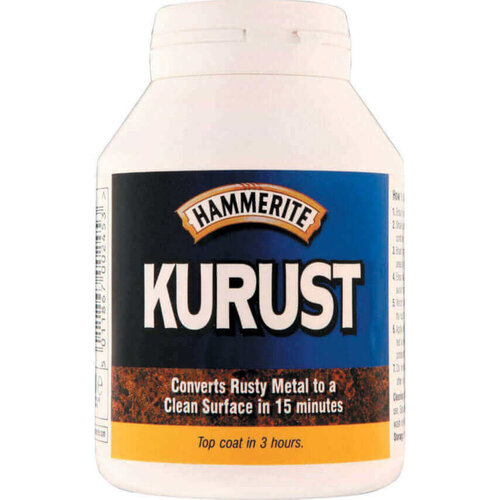
Hammerite Kurust Bottle - 250ml
Rust converter for small patches, 250ml, converts in 15 minutes
Rustins Aluminium Paint - 250ml
Heat-resistant aluminium paint for wood and metal, up to 105°C, 250ml
For the Trade
What you’re really deciding is how hard the finish needs to work and how much time you’ve got in the programme. A decent metal paint is usually chosen for the balance between adhesion, corrosion resistance and recoat time, but the job still drives the pick. Smooth, sound steel can take a simpler system. Pitted or awkward metalwork usually needs more protection built in. Quick-dry options help when you need the next coat on, though they leave less room to keep brushing about. If the finish is going to take knocks or weather, don’t chase the cheapest tin.
Types of Metal Paint
Start with the format that fits the job, not the finish name on the tin. Standard metal paint covers general metalwork when you want a straightforward coating and nothing more.
Choose rust resistant metal paint or rust proof metal paint when the metal is exposed and you need more protection against breakdown. The trade-off is usually a higher spec and a higher price. For outside work, metal paint for exterior use is the one to look at because it is built around weather exposure. If you are comparing ranges across Specialist Paint, job exposure is usually what decides it.
Selection Factors for Metal Paint
What you buy usually comes down to the metal’s condition and how much build you need from the coating. Bare or repaired steel will pull more product than something already painted, so coverage and recoat time only mean much once you know the substrate.
If the surface is sound and previously coated, standard metal paint is often enough. Exposed or patchy metal needs more margin, so rust proof metal paint or rust resistant metal paint is the safer call. Pitted metal and old corrosion are where jobs get called back. If the work is a floor or marking line, move over to Floor Paint or Line Marking Paint instead.
Finish the Room
Once you’ve picked the coating, the next call is what the metal needs before it sees paint. On clean, sound work, you may only need proper prep and the right topcoat. Once there’s rust, old coating failure, or mixed repairs, a primer or undercoat usually saves you grief later.
That system matters more than the tin on its own. On exposed steelwork, start with the prep products, then the finish. Missed corrosion is what brings the call-back. If the job also includes surrounding finishes, keep the system consistent rather than mixing products that dry or key differently.
Related searches
Local availability for Metal Paint