Spray Paint
Spray paint usually comes down to three things: what you’re spraying, how quickly you need it back in service, and whether you need a clean finish or just coverage. Quick dry spray paint helps when turnaround matters, but it gives you less time to correct a heavy pass. Plastic spray paint and heat resistant spray paint come into play when the substrate or service conditions rule out a general aerosol paint, and the wrong can can mean a call-back.
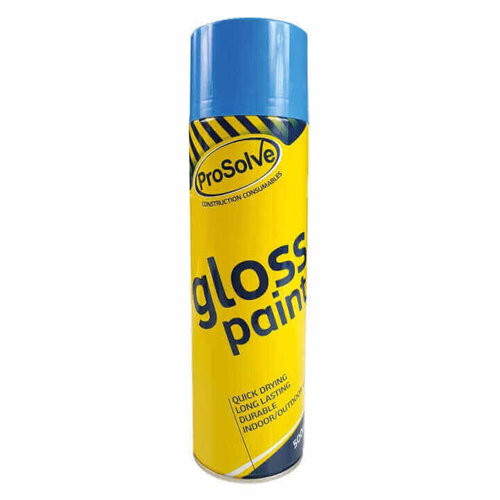
ProSolve Gloss Aerosol - 500ml Red RAL 3020
ProSolve Gloss Aerosol, 500ml, Red RAL 3020
Plasti-Kote Dry Enamel Aerosol Spray Paint - 100ml Black
Fast-dry enamel spray paint in Black, 100ml.
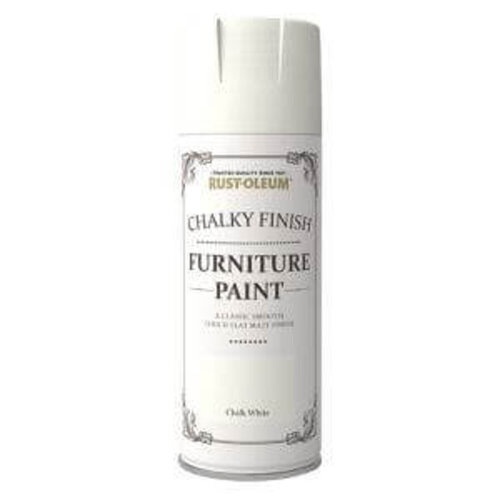
Rust-Oleum Chalky Finish Spray Paint Shabby Chic - 400ml White Matt
White matt chalky spray paint, 400ml, for furniture renovation
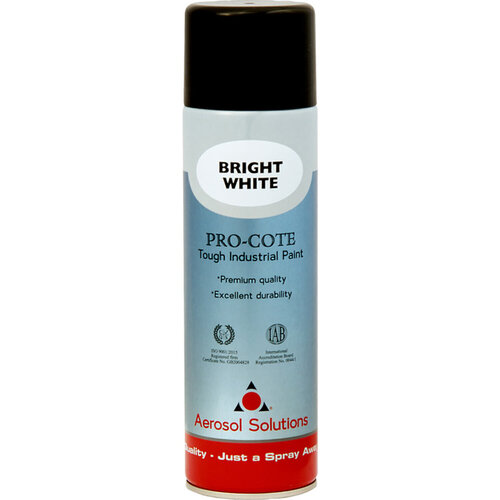
Industrial Spray Paint 500ml - Bright White
Quick-drying white gloss industrial spray paint in 500ml aerosol can
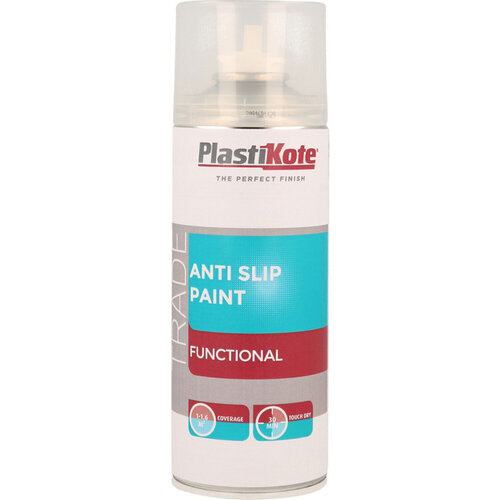
Plastikote Anti Slip Spray Paint 400ml - Clear
Clear anti-slip spray paint for interior and exterior surfaces, 400ml aerosol
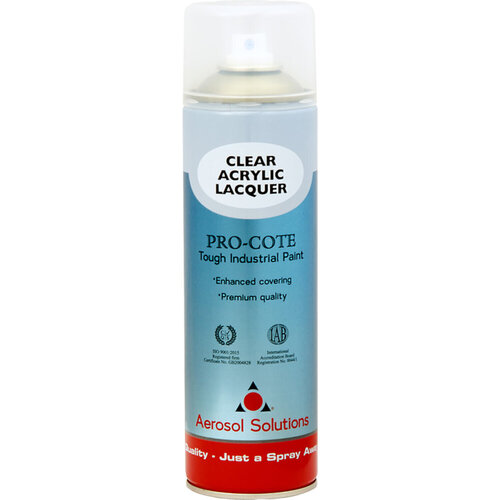
Industrial Lacquer Spray Paint - 500ml Clear
500ml clear gloss lacquer spray for industrial use
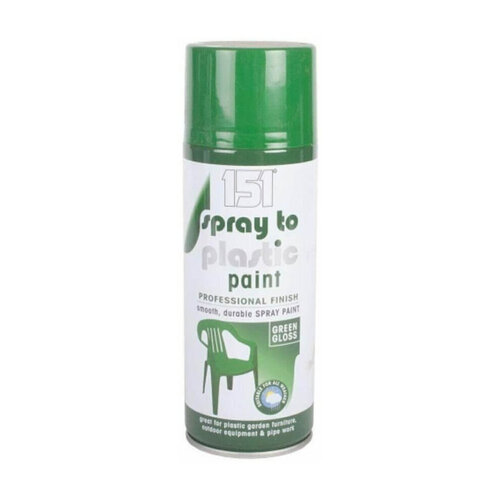
151 Spray to Plastic Paint - Green Gloss 400ml
Green gloss spray paint for plastic, no primer needed, 400ml
Plasti-Kote Hobby & Craft Sealer Spray - 400ml clear matt
Clear matt sealer spray for hobby & craft, 400ml
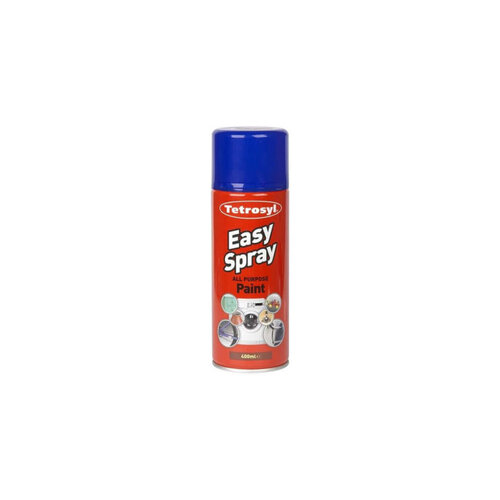
Tetrosyl Easy Spray All Purpose Paint - 400ml mid blue
Acrylic all-purpose spray paint in mid blue, 400ml
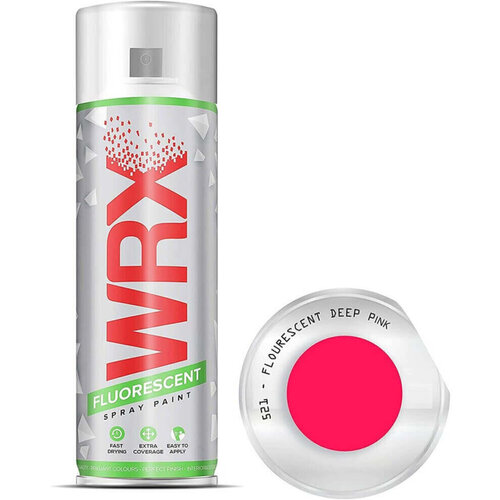
WRX Fluorescent Deep Pink Spray Paint (521) - 400ml
Fluorescent deep pink acrylic spray paint with high coverage, 400ml.
For the Trade
You’re usually choosing spray paint on finish speed, where it’s going, and how much handling the job will take. If it needs turning round the same day, quick dry spray paint is the one you reach for, but you lose a bit of working time if you still need to adjust it. For awkward access or small touch-ups, aerosol paint is often cleaner than brushing. Spray paint cans make sense when you want to keep the kit simple and move on. Heat resistant spray paint is the one to pick when temperature is the issue, not general decoration.
Spray Paint Types and Layouts
Quick dry spray paint is the one you reach for when you need the job back in hand without hanging about. You do give up a bit of working time if you’re trying to get a neat finish on a fiddly piece.
Multi purpose spray paint is the sensible all-round call when you’ve got mixed small jobs and don’t want to keep changing product. It rarely beats a more specific option on a demanding substrate.
Decorative spray paint suits visible finishes where colour and effect matter more than plain utility.
For hotter areas, heat resistant spray paint or high temperature spray paint is the one to use. Ordinary aerosol paint will usually let you down once the heat starts cycling.
If you’re narrowing the range, start with the job and then step back to Specialist Paint if you need the broader family.
What to Check Before You Buy
Start with the substrate. Coverage and recoat time change more than most lads expect. New plaster pulls differently to bare masonry, and both behave differently from something already painted. The same spray paint can look fine on one job and thin on the next.
If you’re going over plastic, check the bond and the finish you need before you grab a general can. Furniture Paint is the nearer call for that sort of work. Where heat is part of the brief, move to Radiator Paint instead. Ordinary aerosol paint can hold up on appearance and still be the wrong system once temperature comes into it.
Useful Alongside Spray Paint
Once you’ve picked the spray paint, the next call is what the surface needs before it goes on. A clean, keyed base and the right primer or undercoat usually matter more than the can itself, especially on patchy repairs or mixed materials where one coat won’t hide the lot.
Trim, fittings and awkward edges need the same discipline. The finish depends on prep and masking as much as the coating. That’s where the callbacks usually come from.
For hot kit, don’t force a standard system. Use the right heat resistant spray paint and keep the rest of the system matched to it.
Related searches
Local availability for Spray Paint








