Wallpaper
If you’re choosing wallpaper for a job, start with the finish and the room conditions, not the pattern book. Standard paper suits straightforward decorative work. Vinyl wallpaper or washable wallpaper is the better call where you need a tougher face and easier cleaning. Peel and stick wallpaper can save time on lighter jobs, but it gives you less room for error if the wall is not right. Wallpaper rolls are still the normal buy for most trades, while textured wallpaper or patterned wallpaper comes down to whether you want to hide minor surface marks or keep the join line quieter.

Ronseal Peel & Stick Everywhere - Winter Sky
Peel-and-stick paint swatch for testing Winter Sky colour without damaging walls
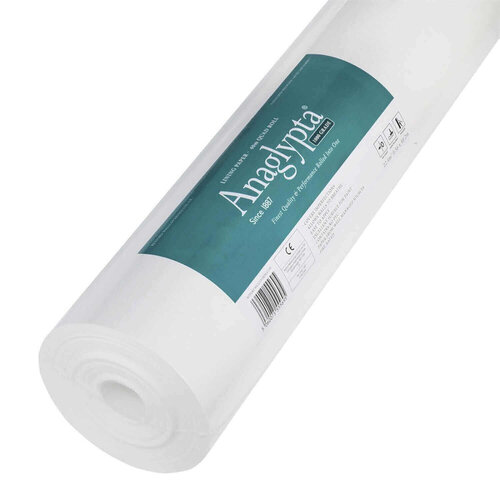
Anaglypta Quad
Anaglypta Quad lining paper from a trusted brand since 1887
Ronseal Peel & Stick Everywhere - Winter Frost
Ronseal Peel & Stick Everywhere wallpaper in Winter Frost colour
Ronseal Peel & Stick Everywhere - Almond
Ronseal Peel & Stick Everywhere in Almond
Ronseal Peel & Stick Everywhere Pure Cotton
Self-adhesive peel-and-stick Pure Cotton covering for smooth surfaces
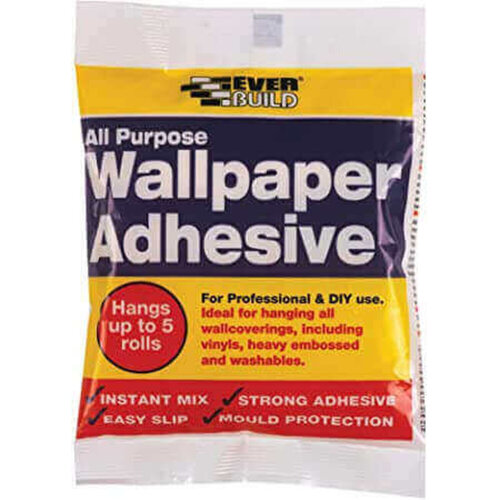
Everbuild Paste5 All Purpose Wallpaper Paste - 5 Roll Coverage
All-purpose wallpaper paste with fungicide, covers up to 5 rolls
Ronseal Peel & Stick Everywhere - Smooth Stone
Self-adhesive wallpaper panel in Smooth Stone colour
For the Trade
Start with the space you’ve got and how the wall will be used, then the rest of the spec usually falls into place. Tight access, awkward corners, or a quick turnaround will push you one way. A feature run where the pattern has to line through cleanly pushes you another. A lot of call-backs come from choosing on looks first and only then checking handling, repeat, and how forgiving the paper is once it’s on the wall. For a straightforward decorative job, wallpaper rolls in a standard finish are usually enough. If the wall isn’t perfect or the area will take more wear, textured wallpaper or a tougher face makes more sense.
Popular Wallpaper Formats
Wallpaper rolls are still the usual call when you want the best balance of choice and waste. They suit repeat jobs because you can keep the pattern moving without too many joins.
Wallpaper sheets work better on smaller runs or awkward sections where a full roll is more trouble than it’s worth. You give up some flexibility on matching and trimming.
Patterned wallpaper is the pick when the finish does the work. It needs a cleaner set-out and more care on the match.
If you’re comparing the wider Wallpaper & Coverings range, the real choice is usually between a straightforward roll, a smaller format, or a decorative face that will show every mismatch.
Key Differences When Choosing
First thing I’d ask is what’s driving the spec: plain decorative work, a tougher finish, or something that needs to hide a bit more. That usually tells you whether you stay with standard wallpaper, move to vinyl wallpaper or washable wallpaper, or go for textured wallpaper where the wall isn’t perfect.
Peel and stick wallpaper can save time on lighter jobs, but it’s not the answer if you need a more forgiving, hard-wearing face. If the wall needs lining first, Lining Paper is the next call. For bigger runs, Pasting Tables matter because a poor setup slows everything down.
Next Decisions After Choosing
Once you’ve picked the wallpaper, the next call is what goes around it. If the wall is patchy, or you need to keep the finish even across mixed backgrounds, lining paper is the usual add-on before the decorative run goes up.
For a bigger room or a repeat job, pasting tables save you working off the floor and keep the sheets under control, especially with longer wallpaper rolls. Wallpapering tools matter too, but only when the job needs a cleaner, faster run. There’s no point overbuying kit for a small feature wall.
Related searches
Local availability for Wallpaper





