Wallpaper & Coverings
When you’re choosing wallpaper & coverings, start with the job spec. Standard decorative paper, something tougher for heavier use, or a finish with more forgiveness on the wall will narrow it down fast. Pattern repeat, substrate condition and waste allowance usually decide the pick before colour does. If the wall is uneven, the wrong choice shows at the seams.
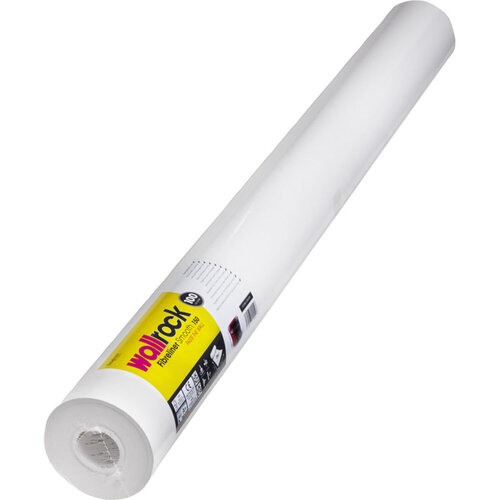
Wallrock Fibreliner Smooth Double - 20m x 100cm
Smooth lining paper for walls, 20m x 100cm, hung straight from roll
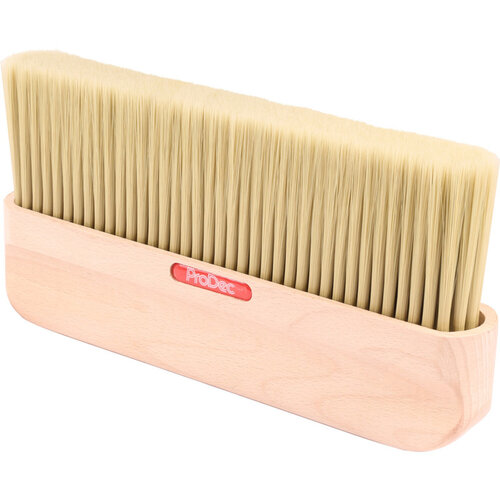
Prodec Synthetic Paperhangers Brush - 240mm
240mm paperhanging brush with synthetic filaments for air-free finish
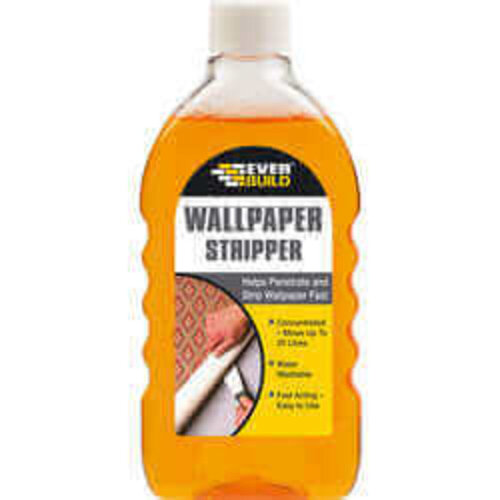
Wallpaper Stripper - 500ml
Fast-acting wallpaper stripper, 500ml makes up to 18L when diluted
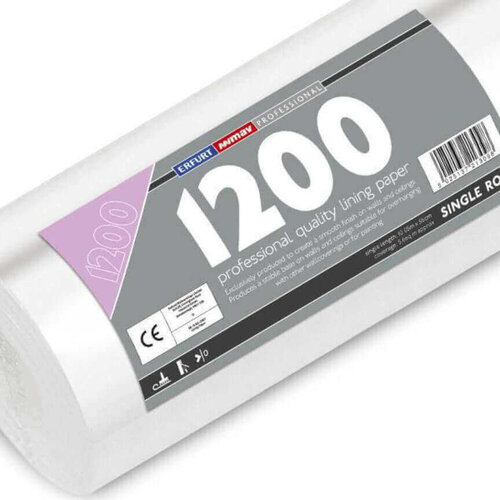
Lining Paper - 1200 gauge
1200 gauge lining paper for wall preparation

Axus Decor Bubble Out Wallpaper Syringe
Syringe for injecting paste to remove wallpaper bubbles
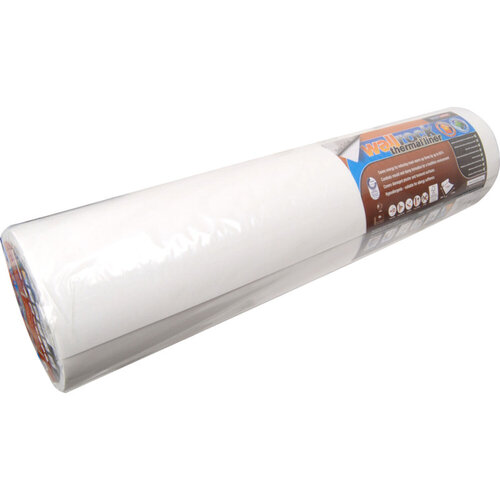
Wallrock Thermal Liner - 10m x 75cm
10m x 75cm thermal lining paper, reduces warm-up times by up to 65%.
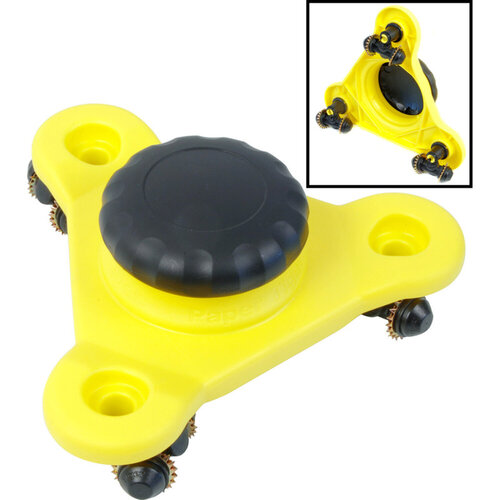
Prep Orbital Wallpaper Scorer
Wallpaper scorer with rotary carbon steel wheels for fast wallcovering removal
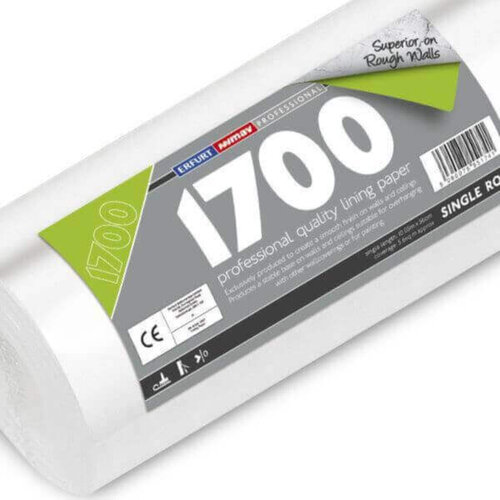
Erfurt MAV Professional Lining Wallpaper 1700 - 10m Single
Professional 1700 grade lining wallpaper, 10m roll, smooths walls for painting
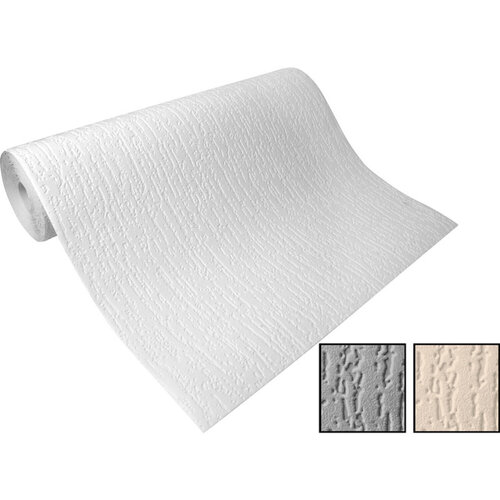
Anaglypta Royal Oak Precision Blown Vinyl - 10m x 52cm
Blown vinyl wallpaper roll covering 5.2m², disguises imperfections and paintable
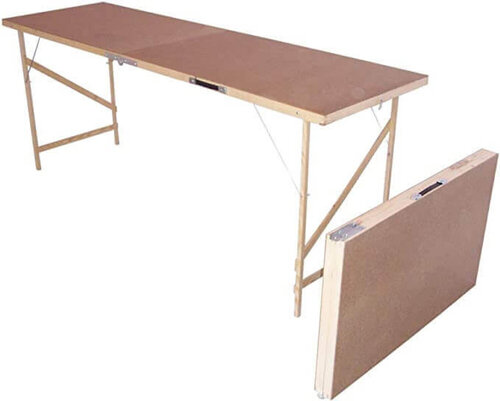
Pasting Table Wooden Legs
Wooden legs for a pasting table
For the Trade
Start with the space and how it’ll be used, then the rest falls into place. Tight rooms, awkward runs and busy areas usually narrow wallpaper & coverings by handling, pattern waste and how forgiving the finish needs to be. In larger, cleaner spaces, you can be more selective on look and texture. If you’re moving between jobs, the parent Painting & Decorating range is the quick check for what sits alongside it, but the real call here is whether the product suits the layout and the amount of disruption you can take on.
Lining Paper
Lining paper gives you a flatter, more even base before the finish goes on. Use it when the wall needs correction and a cleaner surface for the final paper or paint.
Heavier wallpaper can hide more, but it brings pattern matching and handling issues with it. Lining paper keeps the job simpler when you want a consistent base.
The trade-off is direct. You add another layer and another material to buy. If the wall only needs a basic finish, you may not need it. If you are trying to tame a patchy wall, Lining Paper is the narrower buy within wallpaper & coverings.
Pasting Tables
If you’re buying for a straight wallpapering job, the first question is whether you need a table that stays put under a full-length drop or just something light for the odd job. A sturdier board and frame matter when you’re cutting and pasting all day, because a table that flexes or rocks slows you down and gets annoying fast.
For smaller jobs or a tighter van, a lighter folding option is easier to carry, but you give up some stability. If you only want the table itself, Pasting Tables is the narrower buy in this range.
Wallpaper
When you’re choosing wallpaper & coverings, start with how much handling the job will take. Standard wallpaper suits straightforward feature walls and repeat patterns where you want the finish to do the work. Heavier coverings make more sense when you want more body and less risk of damage while hanging.
The trade-off is simple. The heavier the product, the less forgiving it can be around awkward detail, and the more poor prep will show. If the wall only needs a cosmetic finish, Wallpaper is the narrower buy in this range.
Wallpapering Tools
Wallpapering Tools is where you narrow things down by the job in front of you, not by the paper itself. If you are doing a lot of cutting and trimming, you want tools that stay true and do not drag the edge. On a bigger run, handling and speed matter more than a fancy finish.
A decent set helps you avoid the small faults that show up later - a nicked edge, a poor cut, a seam that has been overworked. If you are only adding one item alongside wallpaper & coverings, this is the bit that decides whether the job feels controlled or fiddly.
Choosing Materials and Size
For wallpaper & coverings, start with the finish you need and how much handling the job will take. Lighter paper is easier on straightforward runs. Heavier goods give you more body and usually hide minor imperfections better, but they take more effort at the bench and on the wall.
Pattern repeat and waste can change the buy quickly, especially once you start matching across multiple drops. If the job needs more than the covering, Decorating Tools & Equipment is the next stop. The right kit matters as much as the material when you want clean cuts and fewer call-backs.
Completing the Setup
Once you’ve picked the finish, the next call is what the room still needs around it. Many jobs still need lining paper where the wall needs correction before the finish goes on.
A pasting table helps on awkward lengths and keeps the work moving. If you’re running a full room rather than a single feature wall, the right wallpapering tools make the job cleaner and quicker.
Keep an eye on the surrounding paint and prep too. A poor base or a rushed edge is what gets noticed first.
Local availability for Wallpaper & Coverings











