Central Heating Pumps
Central heating pumps usually come down to three things: the system you’re matching, the speed control you need, and how much room you’ve got around the pipework. A standard circulating pump is still the usual call for straightforward replacement work. A variable speed heating pump makes more sense where you want the unit to respond better to changing demand. If the old pump was fitted tight to the boiler or the pipe centres don’t line up, check the format before you order.
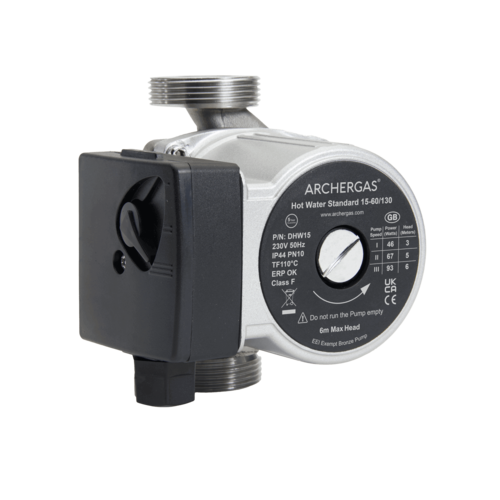
Domestic Hot Water - 15-60/13
Domestic hot water secondary return pump with 1½" connection, max head 6m, 3 spe…
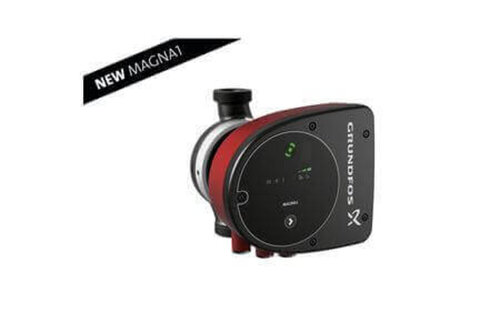
Grundfos Magna1 32-60 Commercial Pump - 180
Grundfos Magna1 32-60 circulator pump with integrated motor, 230V
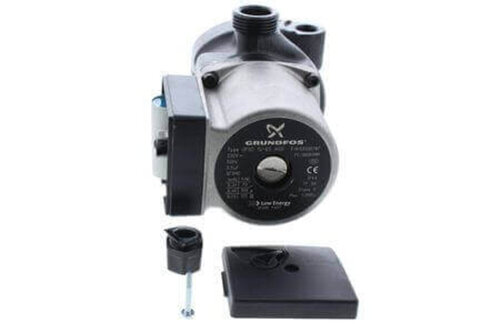
Grundfos Alpha Pump - 15/50
Grundfos Alpha full pump, model 15/50, compatible with 240/280, CB & CD.
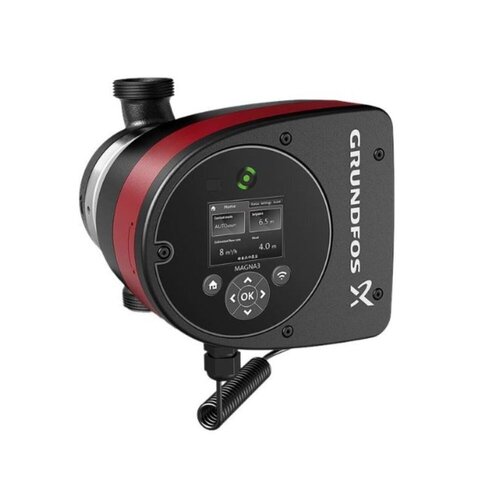
Grundfos Magna3 D - 32-80 180 1x230V PN10
MAGNA3 D twin circulator pump, 10 bar max, with wireless and Bluetooth connectiv…
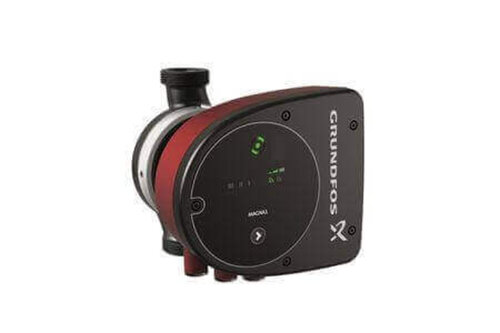
Grundfos Magna1 32-100 Commercial Pump - 180mm
Maintenance-free canned-rotor circulator pump, 180mm
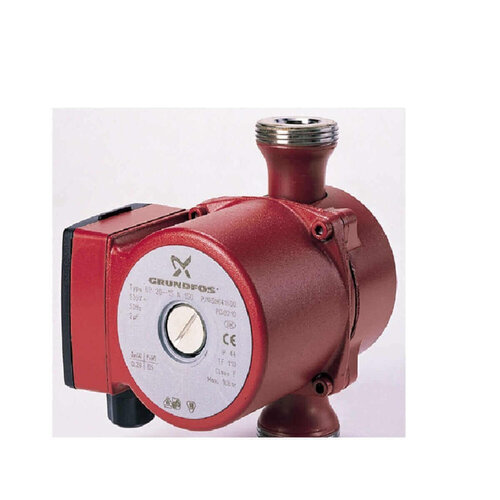
Grundfos UP20-15N Circulating Pump
Canned rotor circulating pump with stainless steel housing and corrosion-resista…
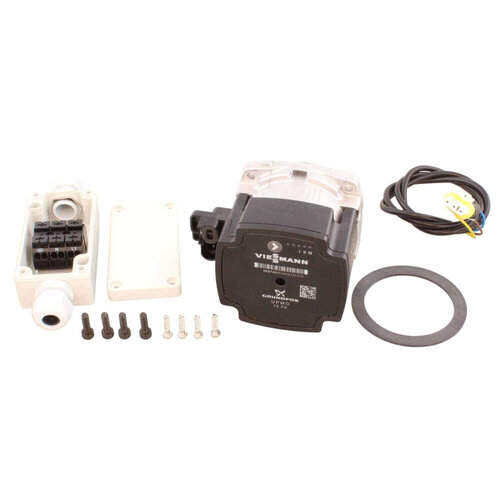
Viessmann Pump High Efficiency
Viessmann high efficiency pump 7874668
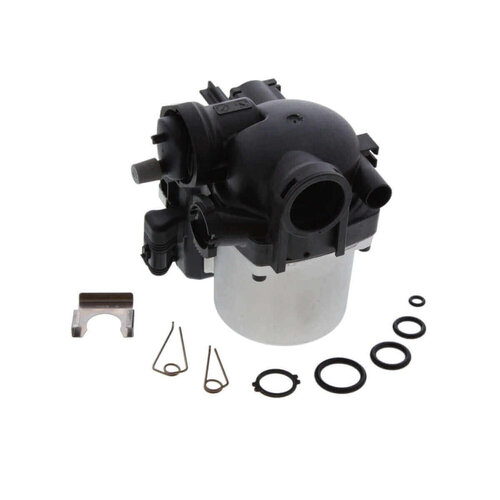
Worcester Bosch Pump Assembly (Greenstar I & I System ERP)
Pump assembly for Worcester Greenstar i & i System ErP boilers, 230V.
For the Trade
The first check is whether the pump matches the system and the job in front of you, not just the pipe centres. On a straight replacement, the old pump body, wiring and space around it usually tell you more than the brochure does. A variable speed heating pump is worth the extra spend when you want the system to settle down with less noise and less fiddling, but a basic circulating pump still makes sense where the spec is simple and the budget matters. After that, look at filtration, the fuel side, and whether the fitting sits with a Gas Safe engineer. That is where the wrong choice usually gets caught.
Types of Central Heating Pumps
A basic circulating pump is usually the economical call for like-for-like work where you just need the system moving again. A variable speed heating pump makes more sense when you want the pump to react better to changing demand and avoid overpumping.
A central heating circulation pump with a simple 3-speed setup still has its place on straightforward jobs because it’s familiar and quick to set. You give up finer control, but you gain a simple replacement that tradespeople know how to fit and commission without fuss. On a Central Heating job, the wrong format is the one that comes back with noise, poor flow, or a call to revisit the settings.
Selection Factors for Central Heating Pumps
Start with what you’re replacing and how much room you’ve got around the pipework. A like-for-like swap is usually the cleanest call when the body size, connections and wiring all line up. It keeps the job moving and cuts out extra fittings.
If the system is older or the demand changes through the day, a variable speed heating pump is worth a look. You lose the simplicity of a fixed setting, so only choose it when that extra control matters.
If you’re sorting the wider job, Central Heating Accessories are often bought at the same time. Cold Water Tanks come into play when the feed arrangement needs checking.
Finish the Room
Once you’ve picked the central heating pump, the next call is what else needs to sit around it on the job.
Filters are worth sorting early if the system’s had debris issues. A clean pump still gets dragged down by dirty water.
Controls matter when you need the pump to respond properly rather than just run flat out. The accessories are what usually save you time at the end - unions, valves and the bits that make the swap tidy.
If the system needs topping up or the feed and expansion side is being dealt with, cold water tanks and expansion vessels come into the conversation as well.
Related searches
Local availability for Central Heating Pumps








