Central Heating Treatments
If the system’s dirty, start with a central heating treatment that matches the job. Use a cleaner or flush for debris and sludge, then add an inhibitor once it’s clean. The usual mistake is buying the wrong bottle for the stage you’re at - a cleaner won’t protect a neglected system, and inhibitor alone won’t shift heavy muck.
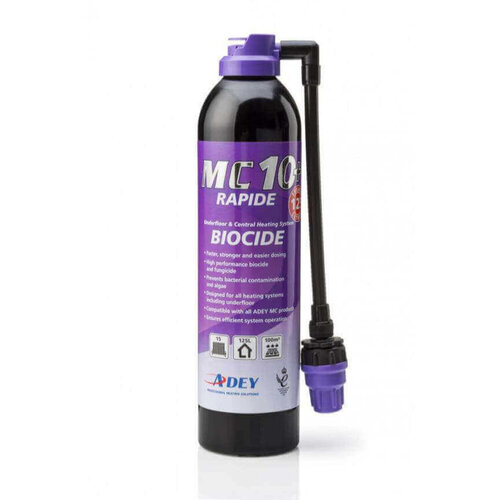
Adey MC10+ Rapide Biocide Protector - 300ml
300ml biocide protector with quick-dose dual-action formula
Center Heating System Power Cleaner - 500ml
500ml advanced cleaner for central heating systems, removes sludge, debris and s…
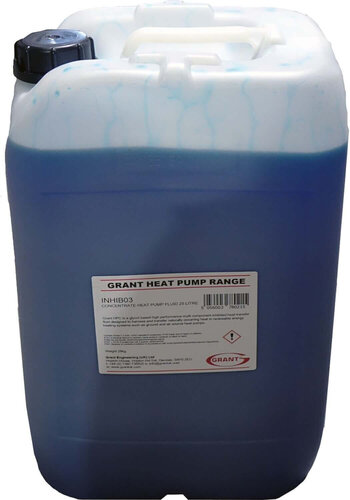
Grant Inhibitor/Anti Freeze - 25L
Heating system antifreeze and inhibitor for Grant Aero³ heat pumps (25L)
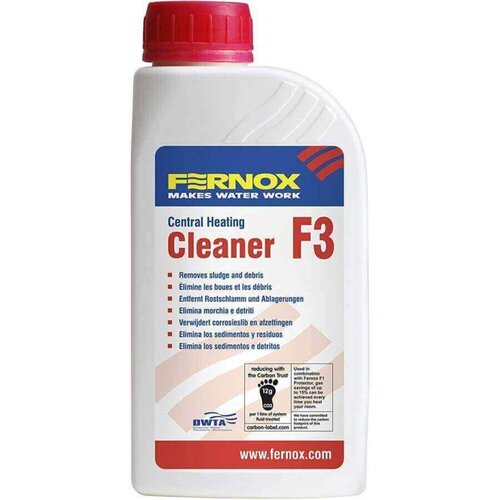
Fernox F3 Central Heating Cleaner - 500ml
Removes sludge and debris to improve heating efficiency
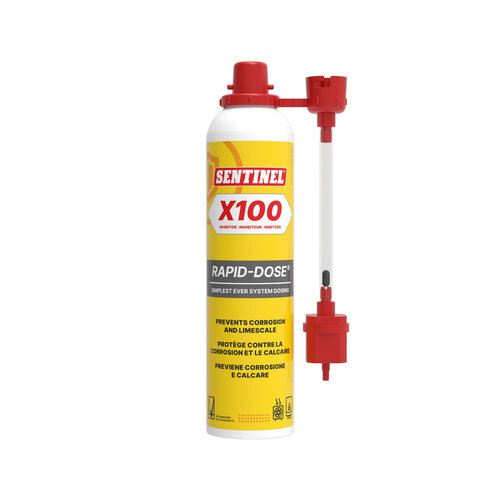
Sentinel X100 System Inhibitor - Rapid Dose 250ml
Sentinel X100 Rapid Dose inhibitor for clean central heating systems
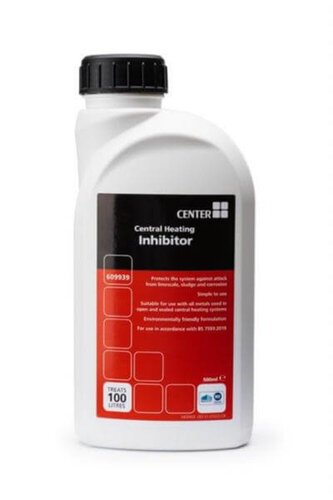
Center Heating System Inhibitor - 500ml
Center 500ml inhibitor protects heating systems from corrosion and limescale
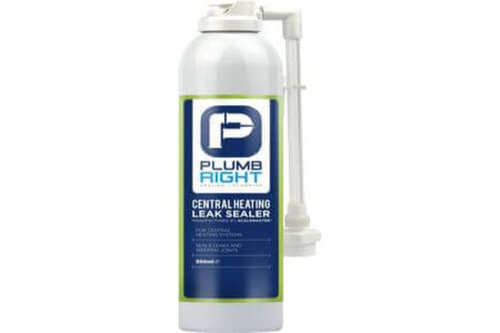
Plumbright Aerosol Leak Sealer - 300ml
300ml aerosol leak sealer for central heating systems
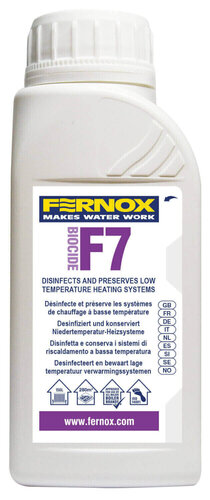
Fernox F7 Biocide - 200ml
Fernox F7 Biocide 200ml: prevents bacteria and fungal growth in heating systems
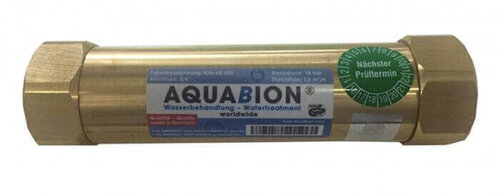
Aquabion S20 Water Conditioner - 3/4"
3/4" water conditioner prevents limescale and corrosion, no power needed
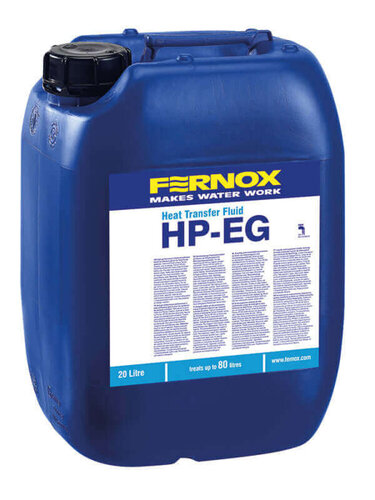
Fernox Heat Transfer Fluid HP-EG - 20L
20L ethylene glycol heat transfer fluid for heat pump systems
For the Trade
Start with what the system needs, not the label on the bottle. A central heating treatment only makes sense once you’ve worked out whether you’re dealing with a clean fill, a dirty system, or a job that needs both stages. On a modern condensing setup, system and flue compatibility comes first. Then look at filtration, fuel type, and who’s actually signing it off, especially where Gas Safe fitting applies. One treatment can suit one install and be wrong on another. That is where call-backs start.
Types of Central Heating Treatments
If the system is dirty, you are usually choosing between a central heating cleaner, a central heating flush, or a central heating descaler. Cleaner and flush products suit sludge and general contamination. A flush is the harder option when you need to shift heavier deposits before refill.
Descaler is the one to use where scale is the main issue. It will not cover every poor-running system. Once the water is clean, a central heating inhibitor is the normal follow-up because it protects the system rather than cleaning it again. On Central Heating, that is the main split: clean first if you need to, then protect it if you want to avoid the same call-back.
Selection Factors for Central Heating Treatments
What you buy usually comes down to the state of the system and how much time you have on the job. A central heating treatment for a routine top-up is a different call from a central heating cleaner or central heating flush on a system full of muck. A central heating inhibitor only makes sense when you are protecting clean water rather than shifting deposits.
The common mistake is grabbing the cheapest bottle and expecting it to do two jobs. If you are also picking up fittings or sundries, Central Heating Accessories is the usual next stop. If the job runs into boiler-side parts, Flues & Boiler Accessories is where that decision sits.
Finish the Room
Once you’ve picked the treatment, the next question is what the system needs around it. If the install is full of sludge, start with a central heating cleaner or flush before you leave inhibitor in place.
On older systems, sort the filter at the same time. It helps stop the same muck moving back through the circuit. If you’re changing pipework or the boiler side as well, check the related accessories and flue parts before you sign it off. Jobs stall there when the main unit is right but the rest of the kit isn’t.
Related searches
Local availability for Central Heating Treatments










