Cold Water Tanks
Cold water tanks usually come down to capacity, shape and how much room you’ve got in the loft. A plastic cold water tank is the one you reach for when handling matters and you want an easier lift. A larger loft cold water tank suits jobs where storage matters and you can get it in position. If the spec calls for a vented cold water tank, stick to that rather than trying to make a different format do the same job. That’s where problems start later.
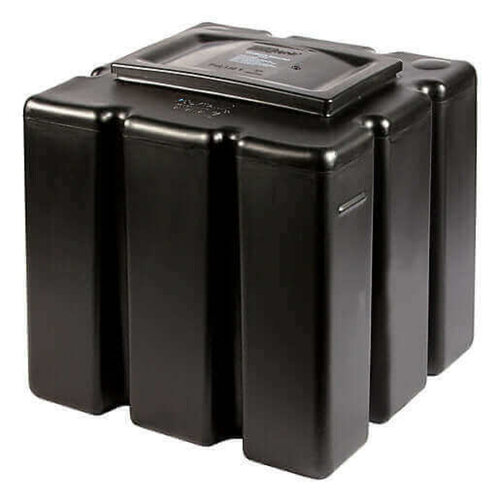
Polytank Rectangular Cistern Including Full Kit - 20 Gallon
20 gallon rectangular cold water cistern, full kit included
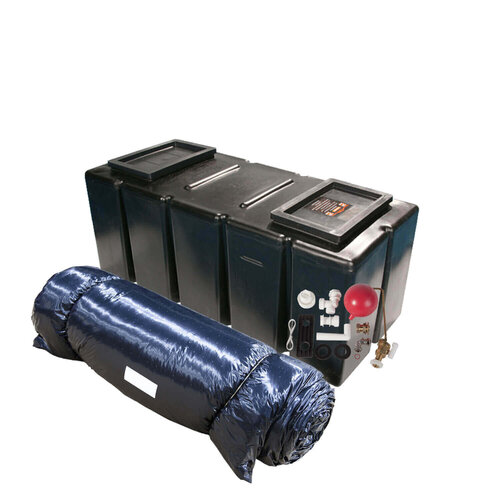
Polytank Coffin Tank - 42 Gallon
42 gallon coffin tank kit for new builds and replacement
For the Trade
Start with the job the tank has to do and the space you’ve actually got, because that usually decides more than the label on the box. A loft cold water tank that fits the opening and leaves room for pipework is worth more than a bigger one that turns into a handling problem. Then check whether you need a vented cold water tank or a plain domestic water storage tank, since the system arrangement changes what you can use. Plastic cold water tanks are the common call where weight and handling matter. The right choice still comes down to access, capacity and how the rest of the system is set up.
Types of Cold Water Tanks
Loft cold water tanks are usually the first stop for a straightforward vented system. They keep the set-up simple and familiar.
A vented cold water tank suits that layout. Choose polyethylene cold water tanks when you want a lighter unit that is easier to handle. Trade cold water tanks make sense where the tank will see regular site handling, but access still needs checking. What looks fine on paper can turn awkward once it has to go through the hatch.
Selection Factors for Cold Water Tanks
Material is usually where the decision gets made. A plastic cold water tank suits tight access or a lift that needs to stay simple. It is easier to get into a loft and less of a job for one person.
The trade-off is rigidity. If the tank is going somewhere exposed or likely to get knocked, you need to look harder at the build and support. If you are ordering the rest of the job at the same time, line up Central Heating Accessories and, where the boiler side needs sorting, Flues & Boiler Accessories so you are not backtracking for small parts.
Finish the Room
Once the tank’s chosen, the next questions are usually about the bits around it. Access panels, pipework clearance, and anything else needed to finish the cupboard or loft properly. That’s where the surrounding central heating accessories matter more than another tank spec. Poor access causes grief later.
If the job also needs flue or boiler accessories, sort those at the same time. It saves a second run. On these jobs, the tank is only half the order - the rest is making sure the install can be serviced without stripping the lot out.
Related searches
Local availability for Cold Water Tanks






