Expansion Vessels
Expansion vessels are usually chosen on two things first: whether you’re replacing like for like, and whether the system needs a wall-mounted unit or a more compact fit. Get the size wrong and you’ll be back on the pressure issue, so most lads check the existing vessel, the system type and the space available before anything else. A boiler expansion vessel suits the common domestic sealed setup. A larger heating expansion vessel is the one you reach for when the system volume or spec calls for more capacity.
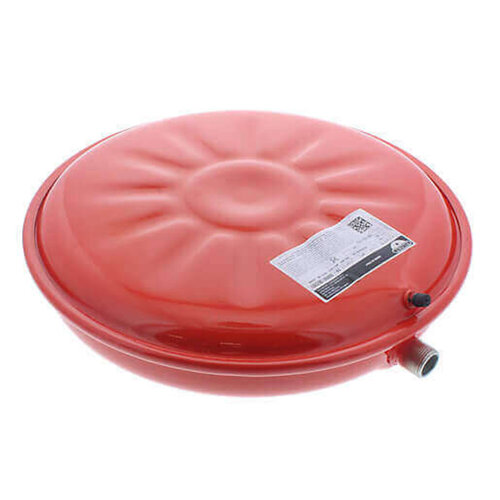
Biasi Expansion Vessel Assembly
Biasi expansion vessel assembly for pressure protection in heating systems
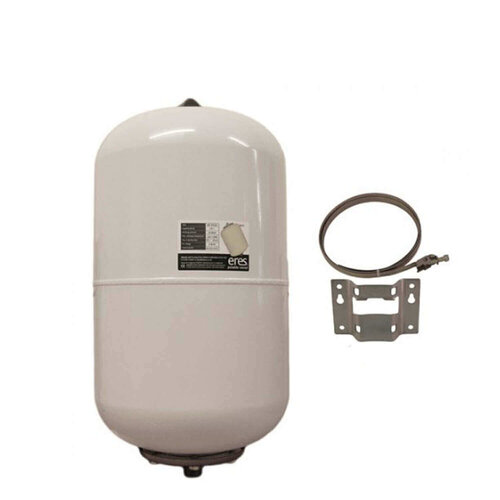
Altecnic Potable Vessel with Bracket & Strap - 24L
24 litre potable expansion vessel with bracket, 10 bar max
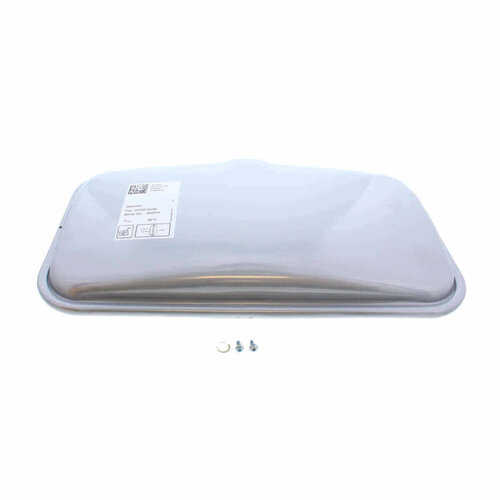
Vaillant Expansion Vessel
Vaillant expansion vessel compatible with EcoFit Pure and Sustain
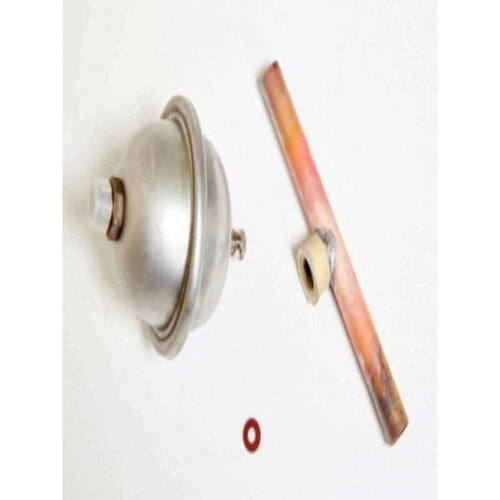
Ideal Heating Domestic Hot Water Expansion Vessel Kit
Expansion vessel kit for domestic hot water systems, 160 ml volume, 15 bar max p…
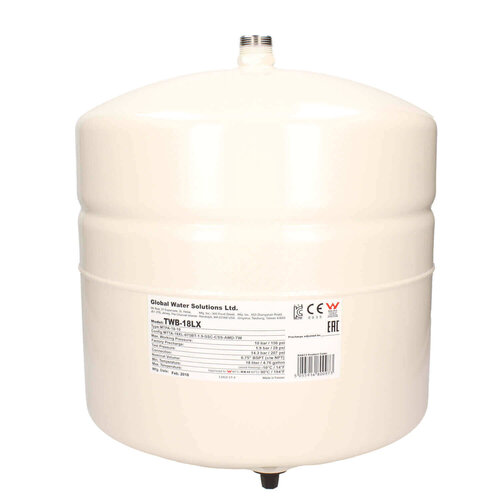
Global Water Solutions ThermoWave Potable Expansion Vessel - 18L
18L expansion vessel for potable water heating systems
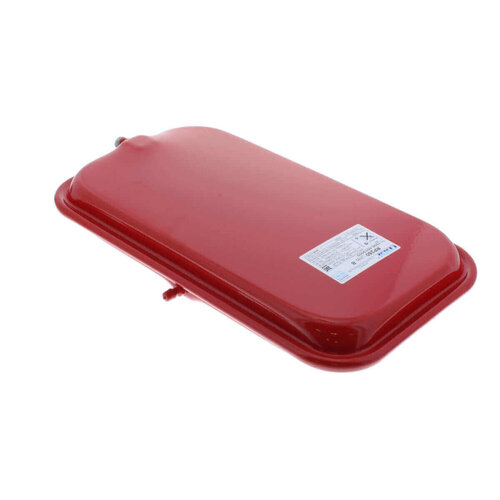
Johnson & Starley Expansion Vessel Kit
Rectangular expansion vessel kit for sealed heating systems
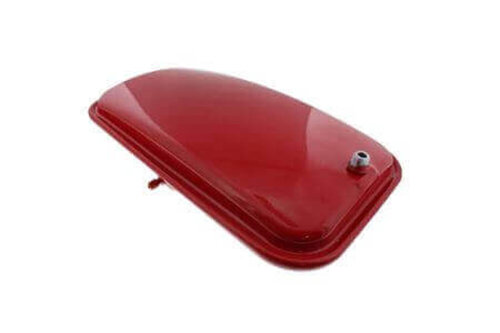
Baxi Rectangular Expansion Vessel
Rectangular expansion vessel for Baxi and Potterton boilers, protects against pr…
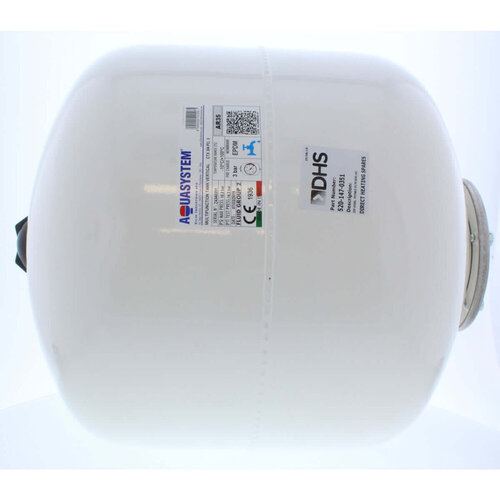
Advent Expansion Vessel Potable - 35L
35L potable expansion vessel with replaceable membrane, WRAS approved
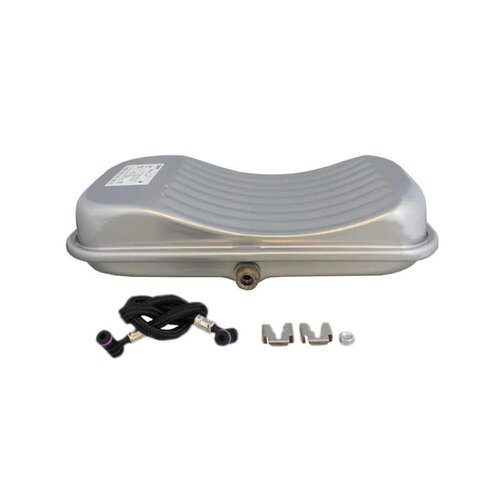
Baxi Expansion Vessel N/Tec - 6L
Baxi 6L expansion vessel for water heating systems, pressure protection
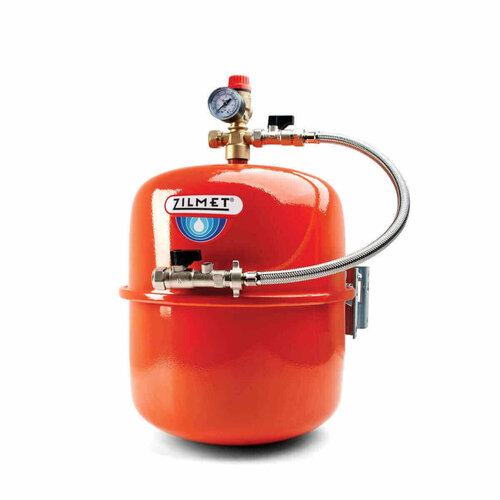
Zilmet Expansion Vessel with Kit - 24L
Zilmet 24L expansion vessel kit with 5-way connector and bracket
For the Trade
Start with the space you’ve got and how the system’s being used. That usually rules out half the options before you look at finish or fittings. In a tight cupboard or where access is awkward, a wall mounted expansion vessel is often the cleaner choice. When the system volume is doing the work, a bigger heating expansion vessel makes more sense. A boiler expansion vessel is the common call on domestic sealed jobs. If you’re replacing like for like, the existing layout and connection point matter more than the label.
Popular Expansion Vessel Formats
Most of the time you’re choosing between standard heating expansion vessels for ordinary sealed systems and larger units where the circuit needs more headroom. Start with what you’re replacing and how much pressure swing the job is likely to see.
A wall mounted expansion vessel makes sense when fixing it to the wall keeps the install tidy or gets you out of a tight plant area. The trade-off is less flexibility on position.
Domestic expansion vessels sit at the smaller end of the range and suit lighter-duty jobs. Sealed system expansion vessels are the better fit where the system is pressurised and you want the proper replacement, not a near-enough swap.
If you’re working across Central Heating, that’s usually where the replacement type becomes clear.
Key Differences When Choosing
Size and mounting come first with expansion vessels. You’re usually choosing between a compact wall-mounted unit and a larger vessel with more headroom on the pressure swing. Get the size wrong and you’ll be back for nuisance call-backs.
On a straightforward domestic sealed job, a standard boiler expansion vessel is usually the economical pick. On a system with more water content, a larger heating expansion vessel gives you more capacity before pressure starts to climb. If access is tight, a wall mounted expansion vessel saves space, but you still need to check the bracket and pipework arrangement.
When you’re picking up the rest of the job, Central Heating Accessories usually covers the bits that go with it. Flues & Boiler Accessories is the next stop if the boiler side needs sorting too.
Next Decisions After Choosing
Once you’ve picked the right expansion vessel, the next call is what else needs finishing around the plant area. In a tight cupboard or beside other kit, you’ll often need the matching brackets, valves and pipework parts from the central heating accessories range so you’re not making up the mount on site.
If the job runs close to the boiler or flue route, the flues and boiler accessories side is the bit that usually affects the final layout. Small extras like these stop a neat vessel swap turning into a second visit.
Related searches
Local availability for Expansion Vessels









