Hot Water Cylinders
The first decision is usually vented or unvented, because that sets the feed, the pressure and what else sits in the system. After that, you’re weighing capacity, recovery and the space available for the cylinder itself. A stainless steel hot water cylinder is often chosen where longevity and cleaner handling matter, while copper still has a place when you’re matching an existing setup. If you’re changing like for like, the old arrangement usually tells you more than the brochure does.
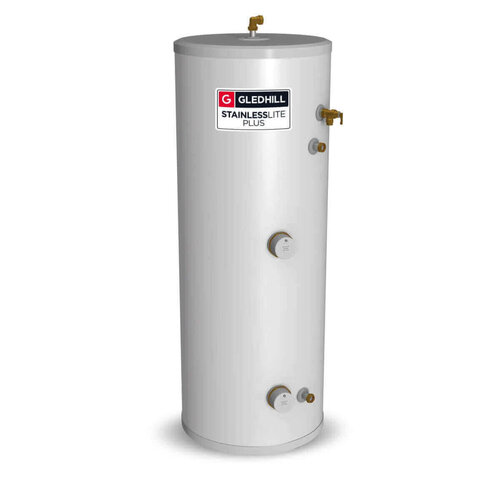
Gledhill Stainless Lite Plus Unvented Direct Cylinder - 120L
Gledhill 120L Stainless Lite Plus unvented direct cylinder, duplex stainless ste…
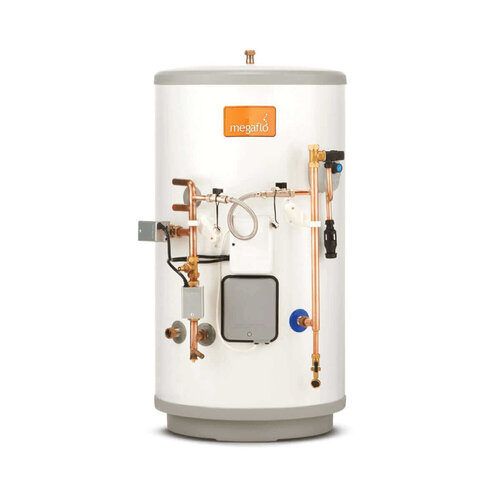
Heatrae Sadia Megaflo Eco System Ready Indirect Cylinder - 170L
170 litre unvented indirect cylinder, pre-plumbed for system boilers, stainless …
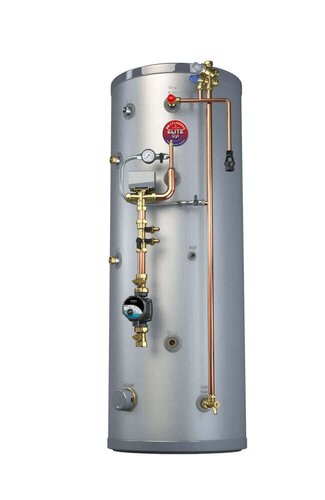
UK Cylinders Elite Heat Pump Cylinder Pre-Plumbed No Pump - 250L
250L pre-plumbed heat pump cylinder with solar iBoost+ and 25-year warranty
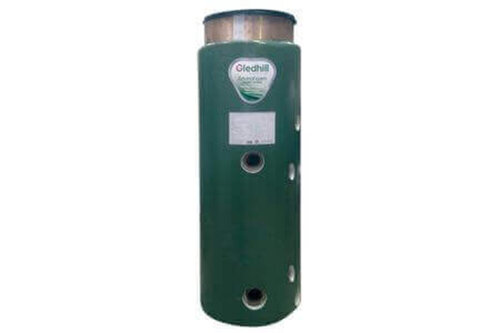
Gledhill Indirect Circular Combi Tank - 900mm x 400mm
Copper combination hot water tank with internal coil, 900 x 400 millimetres, 10-…
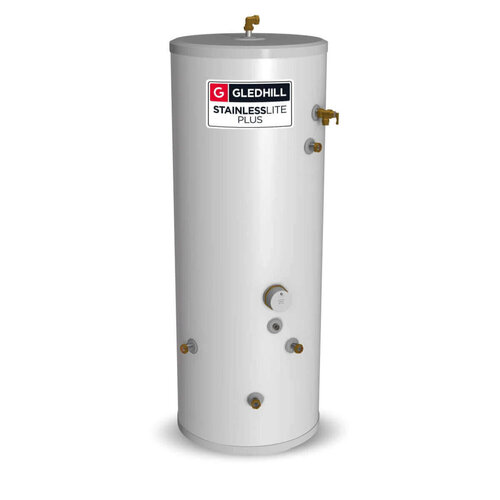
Gledhill Stainlesslite Plus Unvented Indirect Hot Water Cylinder - 250L
Gledhill Stainlesslite Plus indirect cylinder 250L, stainless steel, 25-year war…
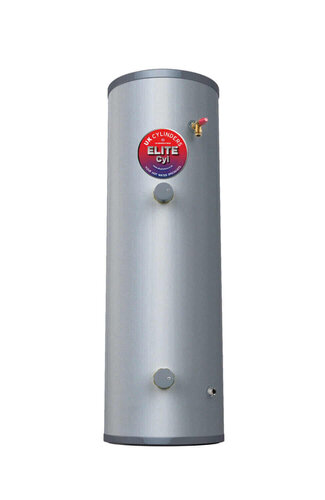
UK Cylinders Elite HE Indirect Pre-Plumbed Twin Zone - 200L
200L indirect pre-plumbed twin zone unvented cylinder with 25-year warranty
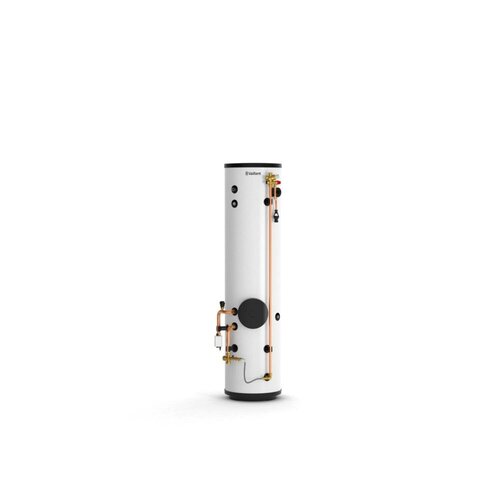
Vaillant uniSTOR Pure Pre-Plumbed Cylinder - 210L
210L pre-plumbed cylinder for Vaillant boilers and heat pumps
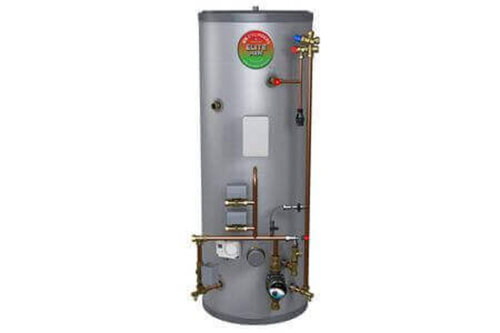
UK Cylinders Elite Cylinder ID PPTwin Zone - 300L WiFi
300-litre unvented hot water cylinder with WiFi, twin zone, UK manufactured.
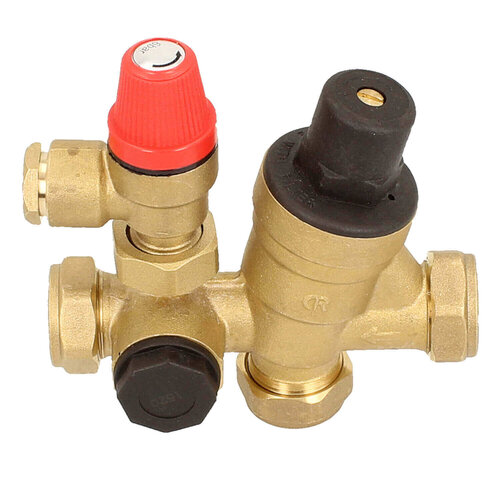
BI-World Unvented Cold Water Group Set
Cold water inlet control set for unvented cylinders, 1-year guarantee
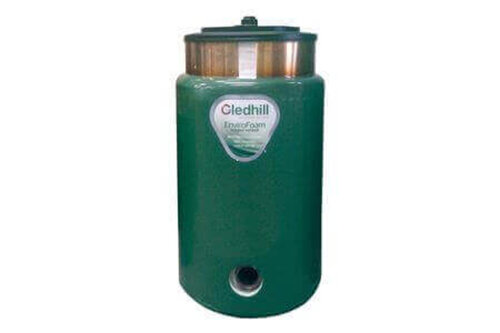
Gledhill Direct Circular Combination Tank - 1400mm x 450mm
Copper combination tank with integrated feed, for properties without loft space
For the Trade
You’re usually narrowing hot water cylinders by demand, space, and what the existing system will take. On a straight replacement, the layout and connections usually decide it first, because changing the format can mean extra pipework and another visit. If the job needs mains pressure, that points you to a different cylinder than a gravity-fed setup, and that’s where mistakes get made. Insulation and recovery still matter, but only once you’ve matched the cylinder to the system and the cupboard or plant space you’ve actually got.
Popular Hot Water Cylinder Formats
The main split is how the cylinder is fed and what the system can support.
An unvented hot water cylinder suits jobs where you want mains pressure at the taps and fewer loft components to work around. The trade-off is that the rest of the system has to be right.
A vented hot water cylinder is the usual fit where you’re keeping a gravity-fed arrangement or replacing like for like. You keep the cold water tank, along with the limits that come with it.
For a straightforward swap, the layout and connections usually decide it. If you’re working back from the wider Central Heating setup, that normally narrows it quickly.
Key Differences When Choosing
Once you’ve settled the cylinder type, the next question is what it’s made from and how it’ll go in. Stainless steel hot water cylinders are usually the pick when you want a firmer face and a bit more tolerance to daily use. The trade-off is weight, and you’ll notice that when you’re getting it into position.
Copper still has its place when you’re matching an existing setup or the job calls for a familiar material. It’s not always the first choice on every replacement. If the cylinder is part of a wider swap, check the Boilers and Central Heating Filters side of the job as well. That’s where you usually catch the bits that affect the final spec.
Next Decisions After Choosing
After you’ve picked the cylinder, the next call is usually what sits around it - the cupboard or enclosure, access panels, and any finish work that needs to come off and go back cleanly. A replacement hot water cylinder often means working to what’s already there, so access is usually the awkward part, not the cylinder itself.
If the job includes a hot water tank in a tight plant space, check the surrounding storage and panels first. That’s where delays start when the old layout doesn’t line up. Keep the rest of the install in mind as well, because the cylinder is only one part of the system and the adjacent bits are what make the job tidy.
Local availability for Hot Water Cylinders





