Solar Panels
Solar panels usually come down to roof space, output and how the rest of the system is being set up. On a straightforward domestic job, standard photovoltaic panels are the usual pick. If roof area is tight, higher-output monocrystalline solar panels can make more sense, but you’ll pay for that efficiency. Roof mounted solar panels suit most pitched-roof installs. Larger solar panel systems need a bit more thought on layout and handling.
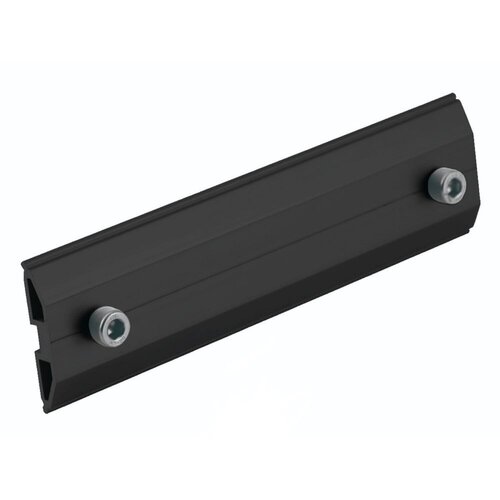
Fastensol Rail Joiner - Black, 2 Pack
Black rail joiner for solar panel mounting rails, pack of 2, includes fixing bol…
Clenergy Hook Rest Rubber Tile
Rubber tile hook rest for Plain and Rosemary tiles to prevent cracking under loa…
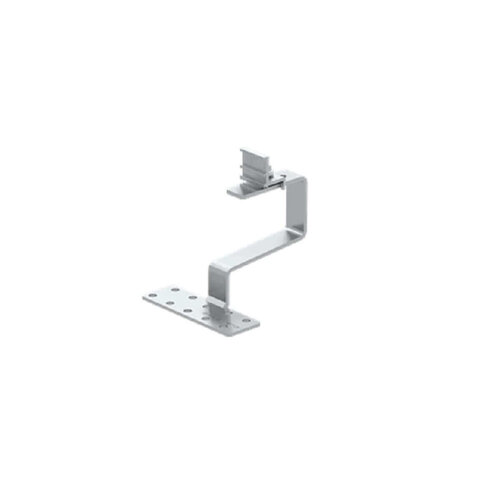
Clenergy SolarPro Universal Roof Hook
Universal roof hook with cross connection clamp for Clenergy SolarPro, residenti…
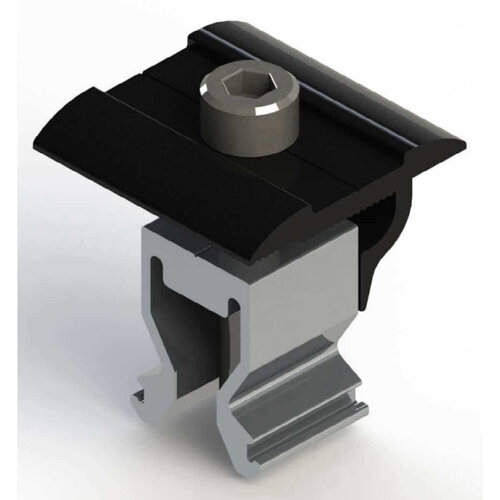
Fastensol Uni Clamp - 30-40mm Black
Black aluminium solar panel clamp for pitched roofs
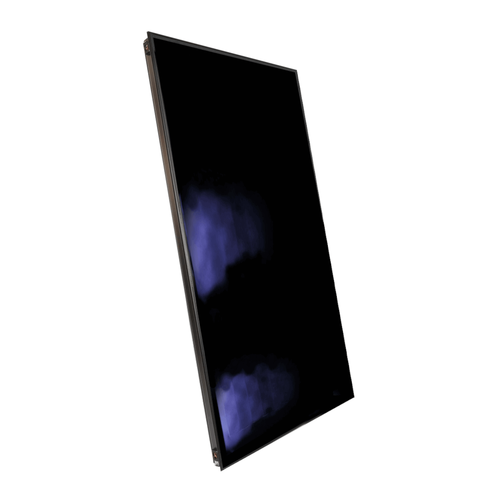
FK 250 Portrait Solar Collector
Portrait solar collector with black anodised frame and Rapid Fit connectors
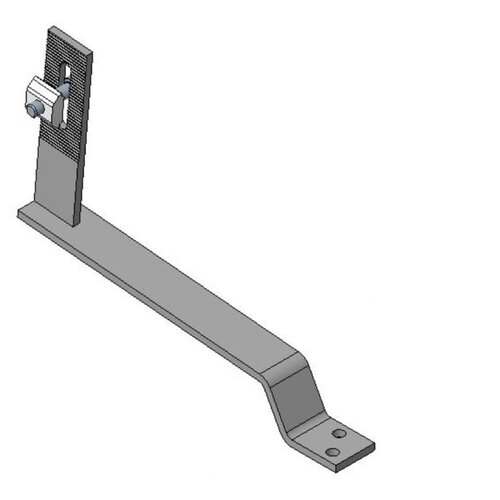
Fastensol Flat Tile Roof Hook Landscape
Flat tile roof hook for landscape solar panel mounting, 12-year guarantee
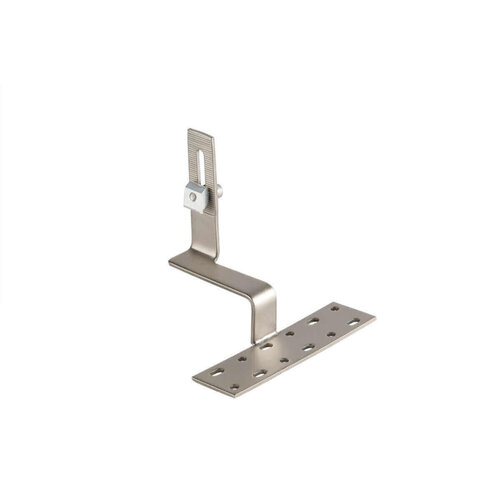
Fastensol Pantile Roof Hook Land
Pantile roof hook with 12-year guarantee and easy installation
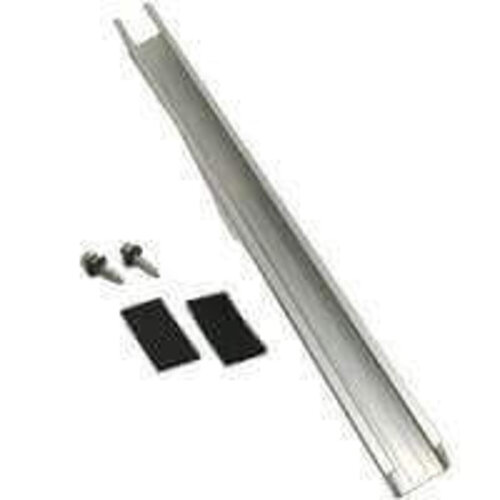
Solar Mounting Rail - 400mm
Stainless steel 304 mounting rail for securing solar panels to trapezoidal roofs…
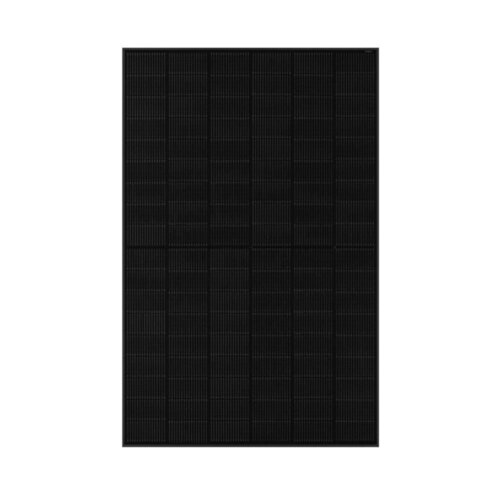
JA Solar All Black Solar Panel - 450W
450W all black solar panel for PV installations
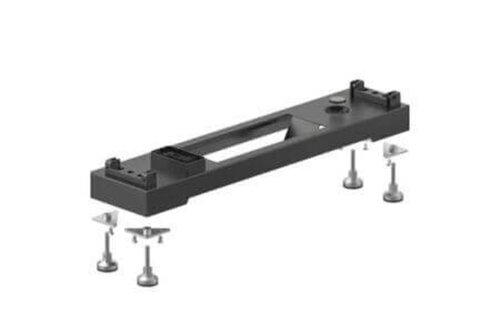
EcoFlow PowerOcean DC Fit Battery Base
EcoFlow battery base for direct PV-side connection without extra inverter
For the Trade
Start with the space you’ve got and how the roof will take the kit, then work back from what the system needs to do. On a tight layout, higher-output photovoltaic panels usually make more sense because you need yield from fewer modules. If you’ve got more room, you’ve got more flexibility on arrangement and less pressure on module choice. Monocrystalline solar panels often suit jobs where output per square metre matters. Solar panel systems with the right balance of panels and controls fit work where the spec is driven by use, not just roof area.
Solar Panel Options Compared
When you’re choosing solar panels, start with output against roof space. Monocrystalline solar panels suit jobs where you need more from each square metre. They give you a stronger yield in a tighter footprint, which helps when roof area is limited.
Polycrystalline options make more sense on larger runs where price carries more weight than squeezing out every last watt. You give up some output density, but the spec can stay easier to justify on bigger domestic solar panels jobs.
Photovoltaic solar panels is the broader label. In practice, you’re still choosing between compact high-output modules and a more economical alternative. For the rest of the Central Heating range, that same trade-off usually drives the spec.
Choosing Materials and Size
The first check is roof space and what the array needs to do. On a tight pitch, higher-output solar panels make more sense because you get more from each square metre. The trade-off is unit cost.
If you have room to spread out, standard photovoltaic panels are usually the simpler buy. Keep the rest of the kit in view as well. Jobs get held up by the small parts, so Central Heating Accessories and Flues & Boiler Accessories are worth lining up before you commit.
Completing the Setup
Once the solar panels are chosen, the next call is what else has to sit around them. On a domestic job, that usually means the mounting kit, cable runs, isolators and any storage or control gear the spec calls for. Get that right and you avoid a second visit for missing parts.
If the roof is awkward or access is poor, check the fixings and layout first. That is where jobs usually slip. Where the system ties into existing heating or hot water kit, the surrounding central heating accessories matter just as much as the panels themselves.
Related searches
Local availability for Solar Panels



