Underfloor Heating
Underfloor heating usually comes down to two calls: electric for smaller areas or quick retrofit work, and water underfloor heating when you’re covering more floor or tying into a wet system. Mats suit straightforward rooms where you want predictable coverage. Loose cable gives you more freedom round awkward layouts, but it takes more setting out. Control matters too. If the floor build-up is tight, the wrong format soon makes the job awkward.
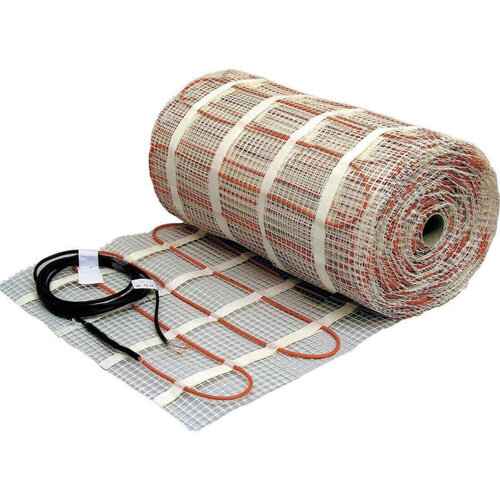
Flexel Ecofloor Cable Mat 150W/m² - 10.0m²
10.0m² electric underfloor heating cable mat, 150W/m² output
Emat Pro 100 Underfloor Heating Mat - 0.5m x 2m, 1m², 100W
Self-adhesive 1m² underfloor heating mat, 100W, ultra-thin cable
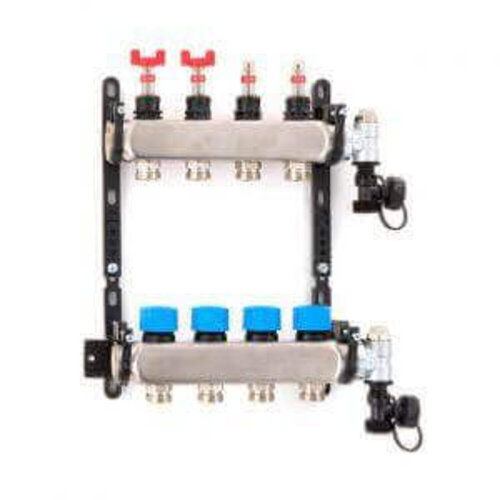
Inta 7 Outlets Manifold Pre-Assembled
Pre-assembled 7-outlet manifold for underfloor heating systems
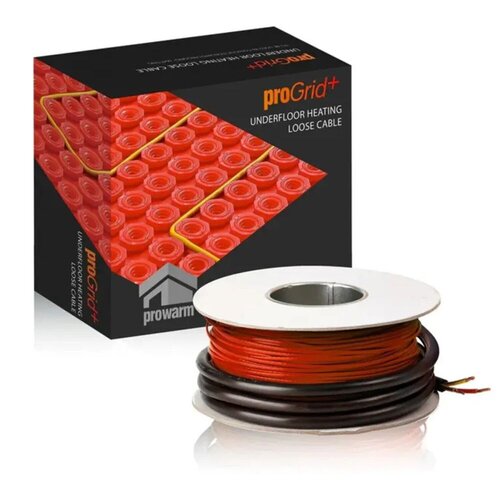
ProWarm ProGrid+ Electric Underfloor Heating Cable Only - 150W 49.3m (Covers 4.5…
49.3m underfloor heating cable for 4.5m2, used with ProGrid+ mat
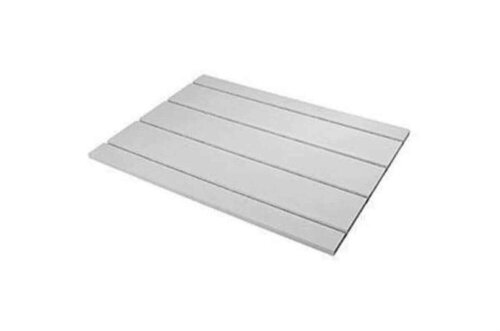
Polypipe Overlay Floor Panel - 800mm x 600mm x 18mm coverage approx. 4.8m² per 1…
800x600mm overlay floor panel for 12mm pipe, 18mm depth, covers 4.8m² per 10-pac…
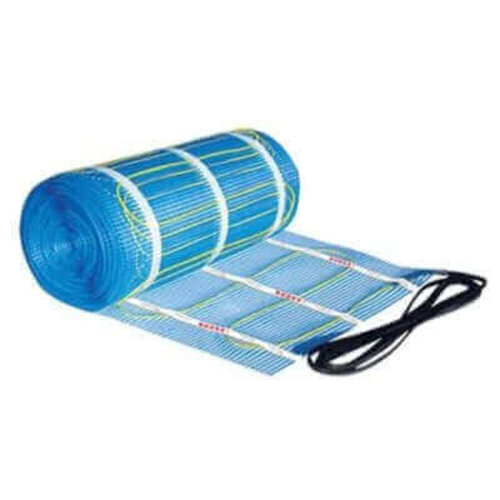
Thermosphere Self Adhesive Mesh - 18m x 0.5m 150W/m² 9m²
Self-adhesive underfloor heating mesh, 9m² coverage, 1350W.
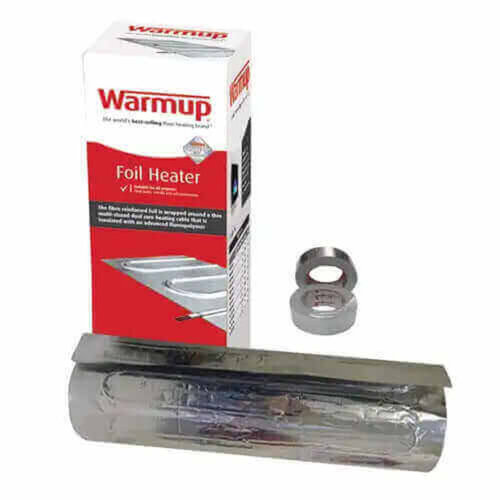
Warmup Foil Heater - 140W 5m²
140W/m² electric underfloor foil heater for laminate and floating floors, IPX7
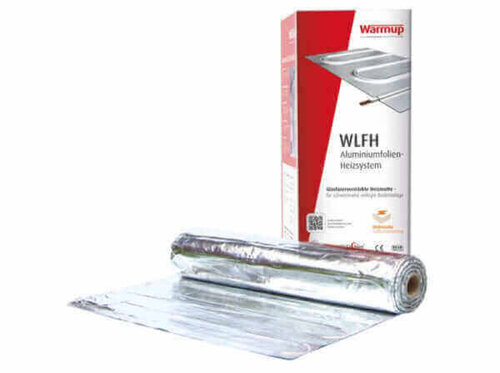
Warmup Foil Underfloor Heater
140w foil heater for under wooden and floating floors
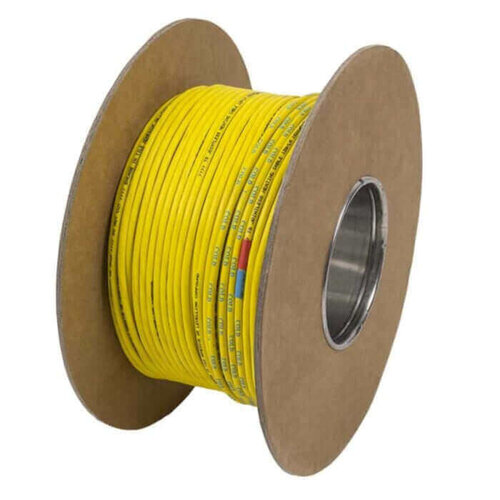
Thermosphere Ultimate Decoupling Membrane Underfloor Heating Cable - 75m 900W 23…
75m 900W underfloor heating cable for decoupling membranes, variable output
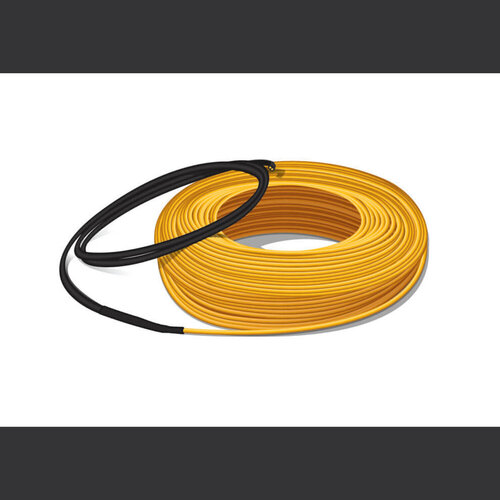
Heat MAT HMH Cable - 78m 15W/m 1170W
78m heating cable with 15W/m output, total 1170W
For the Trade
Start with the space you’ve got and how the floor’s going to be used. That usually fixes the spec before finishes or controls come into it. Tight rooms, awkward layouts and quick turnarounds push you one way. Bigger areas, more even coverage and a longer programme push you another. The jobs that come back are often the ones where price led the choice and the layout didn’t suit the system. Once the footprint is clear, you can narrow underfloor heating by build-up, response time and what the rest of the heating setup can support.
Popular Underfloor Heating Formats
Electric underfloor heating suits smaller refurb jobs and rooms where you want a simpler spec. Water underfloor heating is the better fit for larger runs, because it ties into the wider heating setup and spreads the load differently.
The trade-off is clear. Electric is quicker to specify and less involved on the day. Water brings more parts, including an underfloor heating manifold, so the rest of the Central Heating setup needs to suit.
Mats are the faster choice where the floor shape is regular. Loose systems give you more control, but they take longer to lay out.
Key Differences When Choosing
What usually decides it is the floor build-up, the heat source and how much control you need. If you’re keeping floor height tight, electric underfloor heating is usually the cleaner pick. If you’re tying into a wet system, water underfloor heating makes more sense, but it brings more components and needs more coordination.
A lot of call-backs come from missing the controls or the extras, so sort Central Heating Accessories at the same time. If the job is being linked into the boiler side, check Flues & Boiler Accessories before you commit. That can change what’s practical on the day.
Next Decisions After Choosing
Once you’ve settled the underfloor heating itself, the next call is the build-up around it. That means the panels, screed or boards that suit the floor finish, plus the controls and manifold if it’s a water set-up.
Don’t leave the surrounding bits as an afterthought. A system can look right on paper and still cause grief if the floor build-up, control gear or pipework layout doesn’t suit the job. After that, you’re into the adjacent finishes and any access panels or storage that need to work around the heating layout, not against it.
Related searches
Local availability for Underfloor Heating












