Water Heaters
When you're choosing water heaters, start with the job, not the label: mains pressure or stored, electric or gas, and how much room you've actually got for the unit. Point of use models suit short runs and small draw-off points. Larger vented or unvented options make more sense where demand is steadier. The usual mistake is buying on output alone, then finding the footprint or supply arrangement doesn't suit the site.
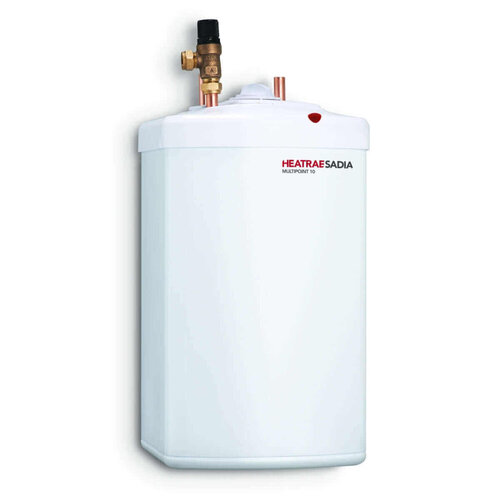
Heatrae Sadia Multipoint 15 Unvented Water Heater - 15L 3kW
15L 3kW unvented water heater with adjustable thermostat and 5-year tank warrant…
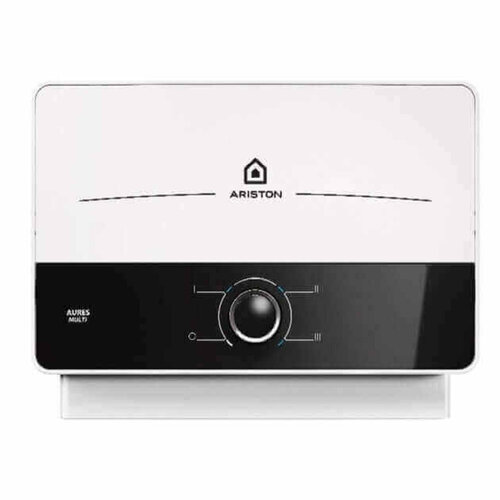
Ariston Aures Electric Instant Water Heater - 9.5kW Slim
9.5kW electric instant water heater in slim design
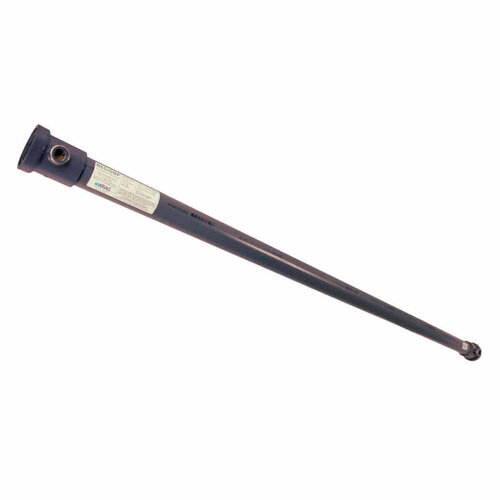
Recoup Pipe Hex WWHRS & Installation Kit
Vertical shower waste water heat recovery, up to 68.5% efficiency, 10yr warranty…
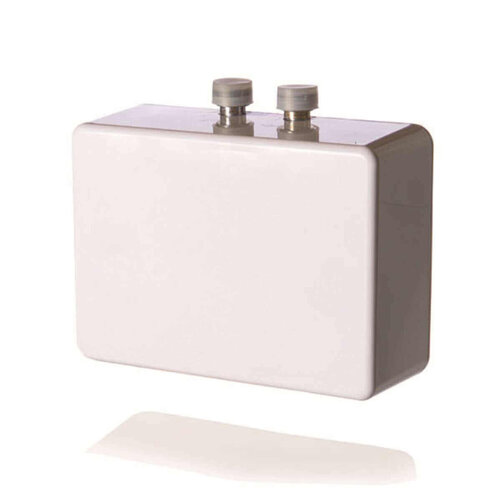
Hyco Rho Standard Instantaneous Inline Water Heater - 4.4kW
Instantaneous water heater, 4.4kW, for single basin hand washing
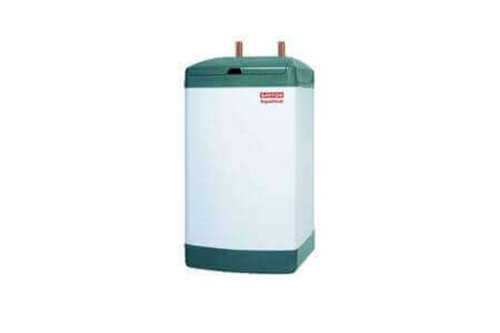
Santon Aquaheat AH7/2.2 Unvented Water Heater - 7L 2.2kW
7-litre unvented water heater with copper inner container and expansion relief v…
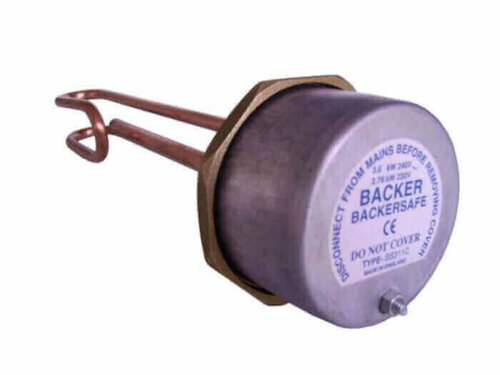
Copper Immersion Heater & Reset Button - 2 1/4" BSP 27" length 3kW
3kW copper immersion heater with reset button, 2¼" BSP, 27" length.
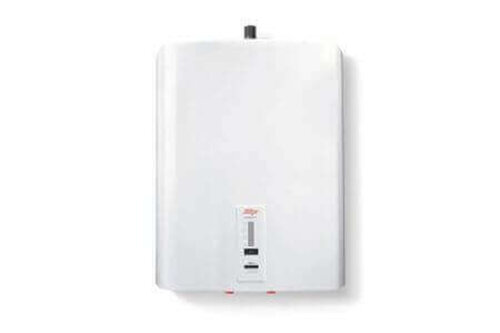
Zip Aquapoint 4 Smart Unvented Water Heater - 50L
50 litre wall-mounted unvented water heater with SmartEco and anti-legionella fu…
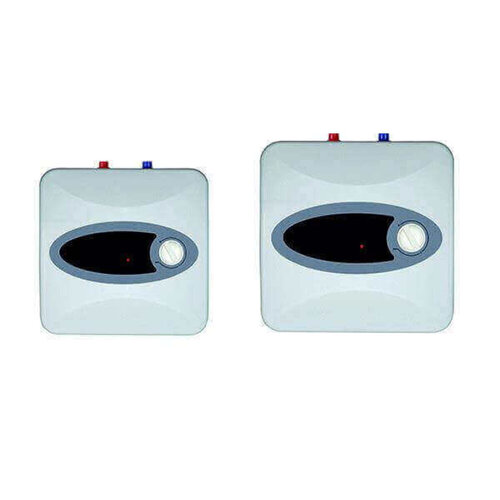
Hyco Speedflow Stainless Unvented - 15L 2kW
Stainless steel unvented water heater, 15 litres, 2kW, for up to 3 basins
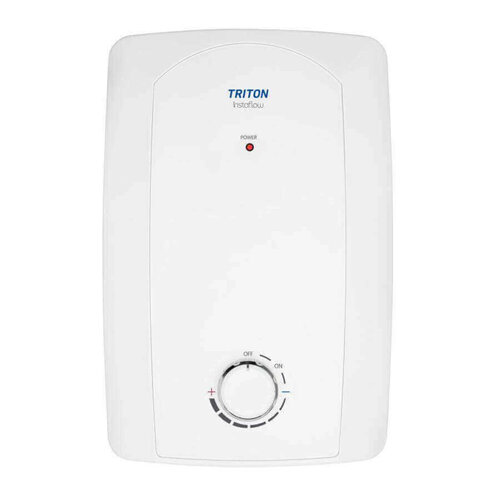
Triton Instaflow Instantaneous Multi Point Water Heater - 10.1kW
10.1kW instantaneous electric water heater for 1–2 outlets with A energy rating
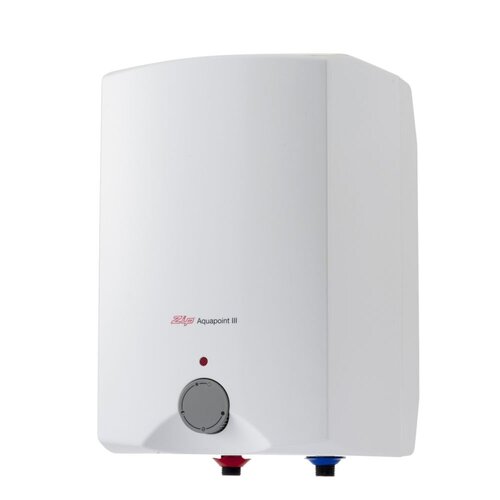
Zip Aquapoint Oversink Water Heater - 5L
5-litre unvented oversink water heater with glass-lined steel tank
For the Trade
Start with the space you’ve actually got and how the unit will be used, because that usually rules out half the options before you get into finishes or extras. If the layout is tight, a compact unit saves grief on the install. If demand is steady, look at output and recovery rather than just the cheapest box on the shelf. Electric water heaters suit jobs where the supply is straightforward. Gas water heaters make more sense where you’ve already got the fuel and the spec calls for it. Commercial water heaters are a different conversation again. It’s more about duty and demand than footprint.
Types of Water Heaters
You’re usually choosing water heaters by how the job is fed and how fast the hot water needs to be there. Electric water heaters are the straightforward pick where the supply is simple and you want less to sort on the fuel side. Gas water heaters make more sense where gas is already in place and the demand justifies it.
Instant water heaters and instantaneous water heaters suit jobs that need hot water on demand without waiting on stored volume. The trade-off is less buffer if several outlets are drawing at once.
Point of use water heaters work best when you want the heater right at the draw-off. That keeps the run direct and avoids overspecifying the whole Central Heating setup.
Selection Factors for Water Heaters
If space is tight, compact water heaters are the first place to look. You get a smaller footprint, but you give up stored capacity. That matters when the outlet needs to run for longer than expected.
For straightforward replacements, check what is already there before you commit. If the rest of the kit needs changing, sort that at the same time. If you are picking up the extras as well, Central Heating Accessories usually covers the bits that get missed. Where the installation needs the right termination and fittings, Flues & Boiler Accessories is the other one to line up before you start.
Finish the Room
Once you’ve picked the water heaters, the next call is what sits around them and what the room still needs to finish properly. That covers the surrounding finishes, any storage or screening the job needs, and the details that stop you going back later to tidy up.
A lot of call-backs come from the last 10% - awkward access, a finish that doesn’t match, or no allowance for maintenance. Keep the main unit choice in mind, then look at the adjacent plumbing and finishing items from the same central heating range so you’re not mixing parts that don’t suit the rest of the install.
Related searches
Local availability for Water Heaters










