Central Heating
When you’re choosing central heating gear, start with the system you’re working on and what the spec calls for. A combi, a stored hot water system, or a repair on an older circuit can all point you to different parts. The wrong match is where you lose time.
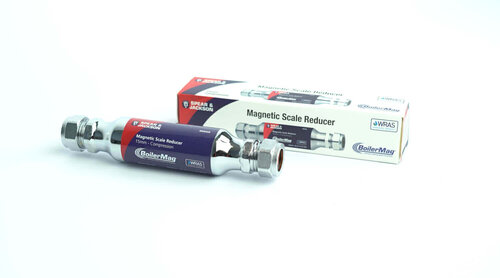
Boilermag Compression Magnetic Scale Reducer - 15mm
WRAS approved magnetic scale reducer, 15mm compression, prevents limescale.
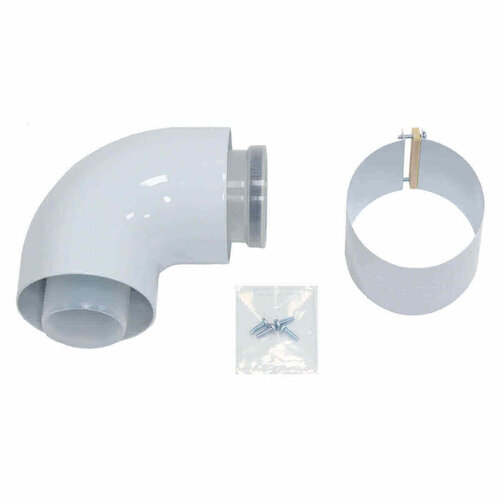
Vaillant Ecomax/Tec Elbow - 90°
90° flue elbow for Vaillant ecoTEC boilers, 100mm diameter
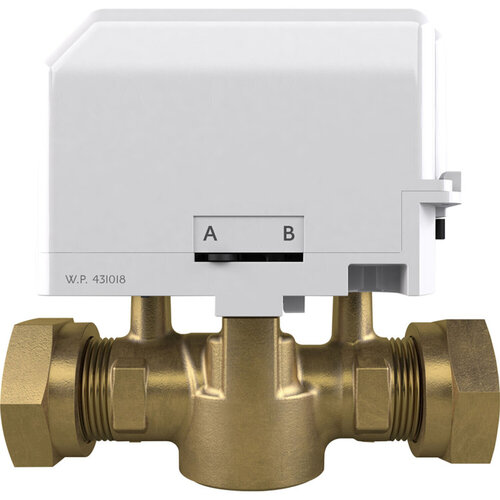
Drayton 2 Port Zone Valve - 22mm
2 port motorised zone valve, 22 millimetres compression, 230V
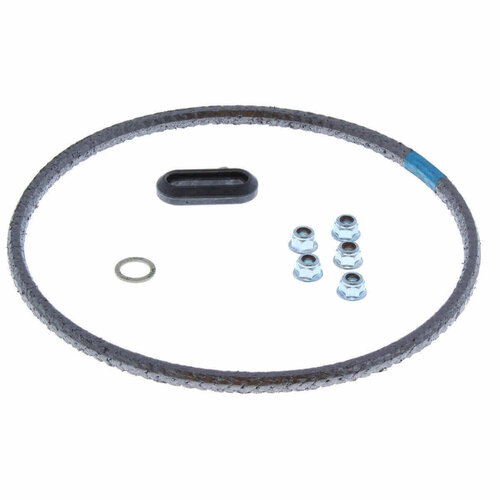
Vaillant Sealing Gasket
Sealing gasket kit for Vaillant ecoTEC and ecoMAX boilers
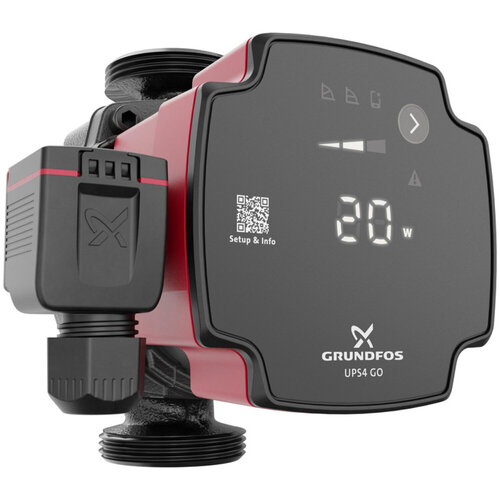
Grundfos UPS4 GO Circulating Pump - 25-65 130 220-240V
High-efficiency circulating pump for heating and air-conditioning, with GO Repla…
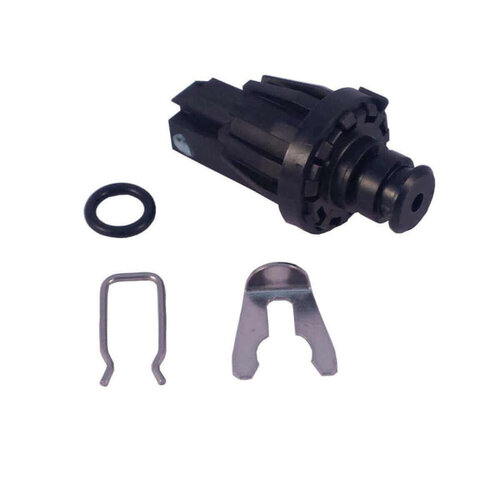
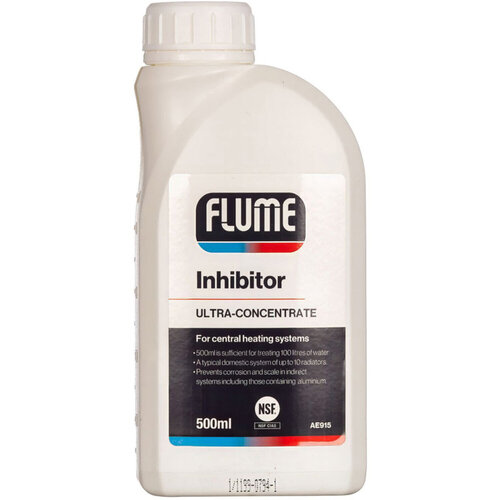
Flume System Inhibitor - Concentrate 500ml
Flume System Inhibitor 500ml, NSF-approved central heating protection against co…
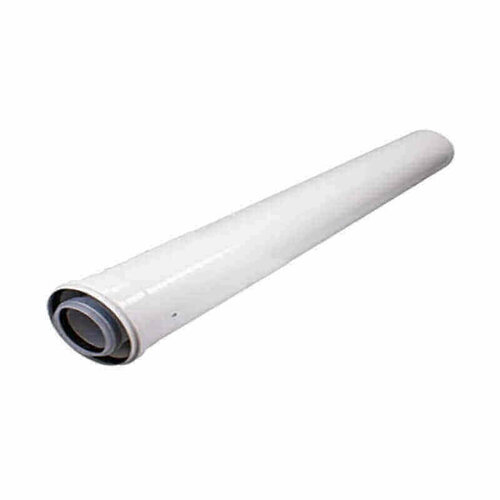
Vaillant Flue Extension Ecomax/TEC - 1m
Steel flue extension, 60mm diameter, 970mm length, for use with Vaillant ecoTEC …
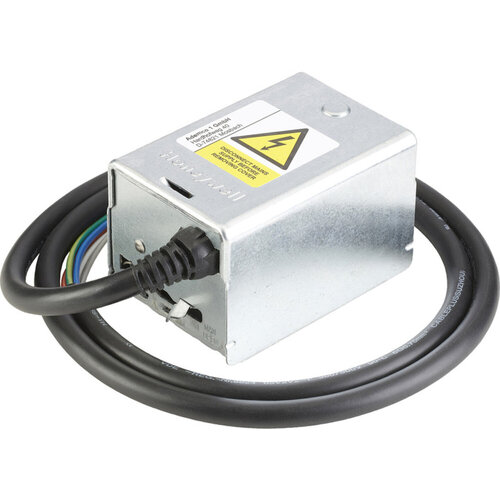
Honeywell Home Powerhead for V4043H Valves
Replacement powerhead for Honeywell V4043H 2-port motorised valve
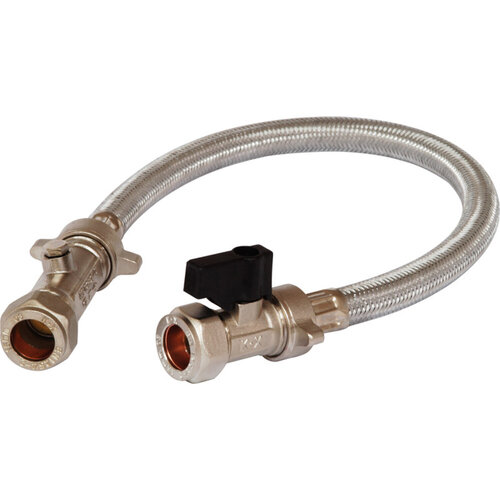
Straight Filling Loop
Stainless steel braided filling loop with double check valve
For the Trade
Start with the system match, then check the flue route and who’s actually fitting it. That is where most central heating jobs are won or lost, not in the headline spec. On a modern gas job, condensing is usually the baseline. The real question is whether the boiler family, controls and pipework suit what is already there. Filtration matters when you are protecting the new kit. Oil jobs need a different conversation again. If you want the wider department first, Plumbing & Heating keeps the rest of the job in view without sending you down the wrong branch.
Boiler Spares
When you’re down to this part of a central heating job, you’re usually replacing a failed part rather than changing the whole setup. The first check is what’s worn out, and what else has been stressed with it. A single swap can get you moving, but a weak pump, valve or seal often leads to another call if the rest of the circuit is tired.
That’s why Boiler Spares are the narrower buy when the fault is local and the boiler itself is staying put. Once the job has drifted into wider system work, you’re into other parts of the range.
Boilers
For this part of central heating, you’re usually choosing the main heat source first, then checking what the job can take. A straight replacement on an existing setup is a different buy from a changeover where the fuel, flue route or controls are being altered. That’s where people get caught out.
If you’re pricing the full job, Boilers is the narrower buy within this range. If you only need to keep an existing unit running, you’re generally looking elsewhere. The trade-off is simple. Keep the spec tight and the install cleaner, or open it up and carry more parts and coordination.
Central Heating Accessories
Accessories are the bits you pick up when the main central heating job is already set and you’re finishing the spec. It’s the small stuff that keeps the job moving. Fixings, fittings, brackets, pipework sundries and the odds and ends that leave the install tidy and serviceable.
If you need the next level down for a specific job, go to Central Heating Accessories. If you’re into boiler spares or boiler choice, you’re in the wrong place.
Central Heating Controls
Central heating controls are where you decide how much control the job needs, not just what the boiler can do. A basic time and temperature setup suits straightforward replacements. Programmable and smarter controls make more sense when you need tighter scheduling or separate zones.
The main check is compatibility and wiring. Jobs get held up if you do not look at the existing setup first. In practice, you are usually choosing between simple, reliable control and more flexibility. That can mean extra setup time and more parts to coordinate.
Central Heating Filters
Filters are the bit you specify when you want to protect the rest of the central heating, not just swap a failed part. They make most sense where sludge, magnetite, or repeat pump and valve issues have already caused trouble. A clean circuit is usually what keeps call-backs down.
If the system is already well maintained, you may not need to spend here. On an older system, or one that’s had work done before, a filter is often worth adding. You take on extra cost and another service point, but you also give the rest of the job more protection.
Central Heating Pumps
Central heating pumps usually come down to one question: are you changing like for like, or sorting a weak circulation issue while you’re in there? The pump has to suit the existing setup. Get the head or connection type wrong and you’re back on site.
A standard replacement is the usual call when the rest of the system is sound. Go higher spec only when the job needs more lift or better control. More capability usually means more to check at fitting, so pick the pump that matches the job, not the biggest label.
What to Check Before You Buy
Once the boiler and controls are sorted, the next question is what the rest of the central heating needs from the job. On a like-for-like repair, the simplest match usually keeps the system moving without extra parts.
If the circuit is older, or you’re back there for repeat faults, it can be worth stepping up where wear shows first. Cheap replacements can cost you twice.
Size and fit matter as much as the label. The wrong format slows the job down. The wrong spec leaves you back there again.
Useful Alongside Central Heating
Once the main unit is chosen, the next checks are flue route, filtration, controls, and the sundries that stop you coming back to sort avoidable faults. A straight swap on a sound system usually needs less around it. A changeover, or a job with awkward access, needs more checking before you order.
That is where the small parts matter. The wrong accessory, or a missing fitting, can hold up the whole install. Keep the spec tight to the system, then pick the extras that match the way the job is being run.
Local availability for Central Heating