Fireplaces
If you’re pricing fireplaces, start with what the job needs. A straight replacement, a new feature, or a finish around the opening will send you in different directions. Inset fireplaces keep the profile tighter. Freestanding models need more room around them. Fireplace surrounds and fireplace mantels matter when you’re sorting the opening and the finish together. Electric fireplaces are often picked where speed and simpler servicing matter. Gas fireplaces suit jobs where the fuel and flue arrangement already point that way. The wrong choice is usually the one that looks right but does not suit the opening or the rest of the spec.
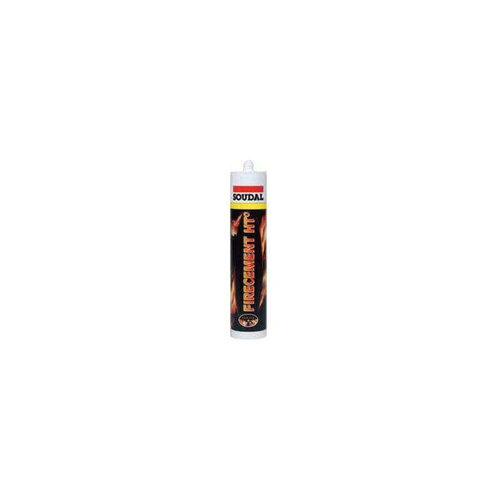
Soudal Fire Cement
Fire cement resistant up to 1500°C for joints and seals
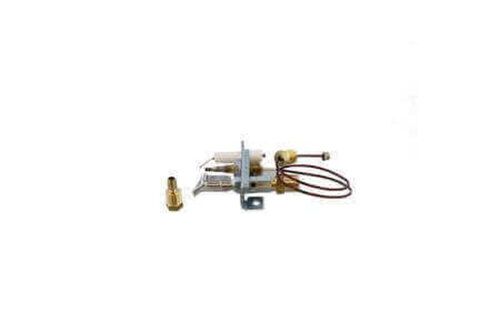
Robinson Willey Oxypilot - NG9031
Oxypilot NG9031 for Robinson Willey Firegem, Sahara, Firecharm fires
For the Trade
Start with the opening and the spec, because that usually decides the job before you get into style. With fireplaces, you’re sorting what fits the space, what the customer wants to see, and whether the finish needs to do more than fill the opening. Inset fireplaces keep the look tighter. Freestanding options need more room and change the layout. Electric fireplaces are often picked where you want a cleaner install path. Gas fireplaces bring a different set of checks and a firmer spec. Once the main unit is settled, fireplace surrounds and fireplace mantels finish the job.
Fireplace Options Compared
If you’re narrowing fireplaces for a job, the first split is usually between an inset look, a wall mounted unit, or a freestanding option that makes more of a feature of the room. Electric fireplaces suit a simpler install and less fuss around the opening. Gas fireplaces work better where the job needs a firmer, more traditional setup.
Fireplace surrounds and a fire surround change the finish, but they add another measurement to get right. Freestanding fireplaces need enough clearance to keep the standalone look and leave access around them. That is the bit that gets missed when the room is tight. For the full parent range, start at Fires, Stoves & Electric Heating.
Choosing Materials and Size
Contemporary fireplaces and modern fireplaces suit a cleaner spec. They keep the opening visually light and work well where the rest of the room already leans simple. The trade-off is clear enough: they can sit awkwardly against a heavily traditional setting.
Traditional fireplaces are the safer match on period work. They carry more visual weight, which helps when the opening needs to feel part of the building rather than added on. In a tighter scheme, that same weight can make the room feel crowded.
If the job only needs heat, Heaters may be the better call. If you want a stronger focal point, Stoves usually does that job instead.
Completing the Setup
Once you’ve picked the main unit, the next job is finishing the opening so it does not look half done. Most trades sort the fireplace surround and mantel first. Then you check whether the wall needs a cleaner finish behind it, or a screen where the spec calls for one.
That is where the small differences matter. A plain surround keeps the install straightforward. A fuller mantel changes the face of the job and needs the right proportions. In tighter rooms, storage and adjacent finishes usually come next. The wrong finish is what makes the whole set-up feel awkward.
Local availability for Fireplaces





