Heaters
Choose heaters by how fast you need heat and whether the unit needs to move with the job. Fan heaters give quick background heat, while convector and panel heaters suit steadier output with less noise. Infrared heaters work well for direct spot heating, and wall mounted heaters help where floor space is tight.
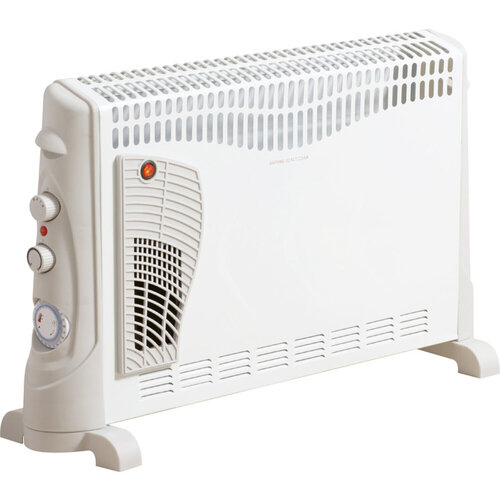
Daewoo Turbo Convector Heater & Timer - 2kW
2kW white gloss convector heater with thermostat and timer
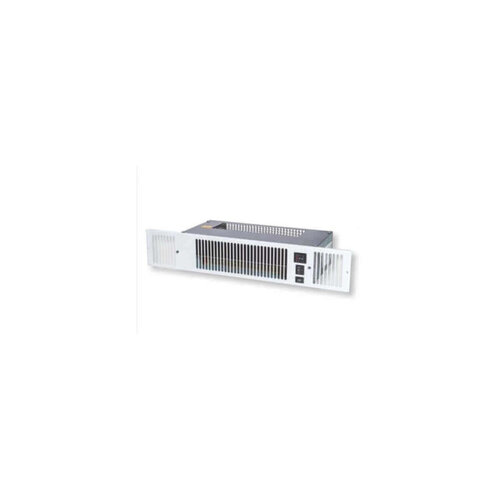
Myson Kickspace 500E Eco Electric Plinth Heater
2 kW electric plinth heater with wireless thermostat, fits under units
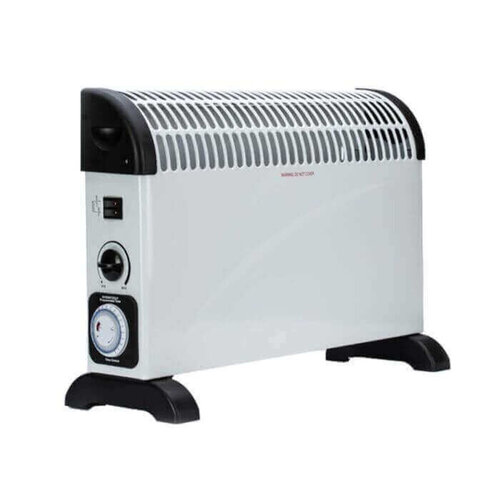
Status Convector Heater with Thermostat & Timer - 2.0kW 240V White
2kW white convector heater with thermostat and timer
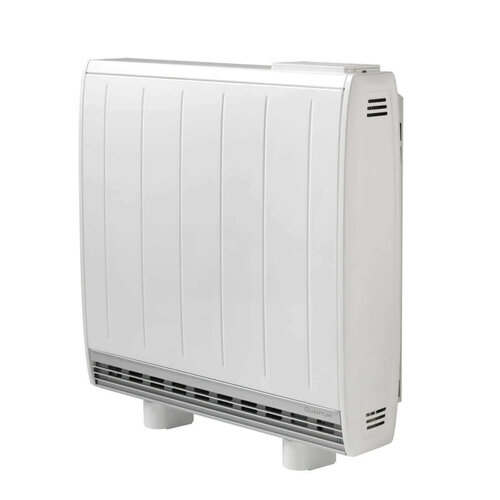
Dimplex Quantum HHR Control Storage Heater - 0.7 kW
0.7 kW Dimplex Quantum storage heater in traffic white
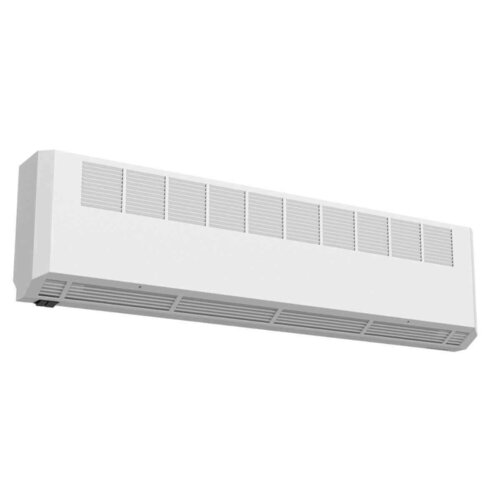
Smiths Ecovector HL 2900 High Level Wall Mounted Fan Convector - White
White high-level wall mounted fan convector for commercial spaces
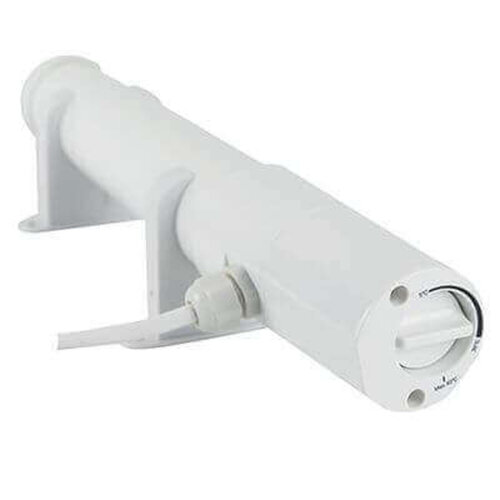
Greenbrook Tubular Heater with Thermostat and Re-Settable Thermal Trip, IP44 - 2…
Greenbrook 2ft 120W tubular heater with thermostat and IP44 rating
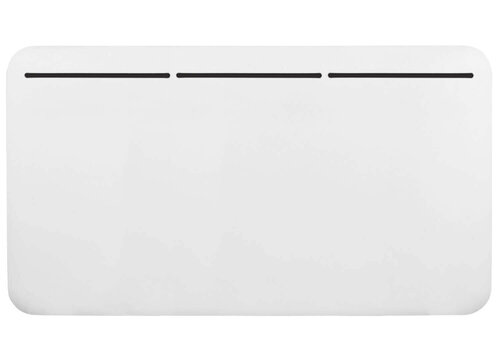
Mylek Digital Panel Heater with 24/7 Timer and Thermostat - 815mm x 100mm x 430m…
2kW digital panel heater with 24/7 timer and IP24 rating
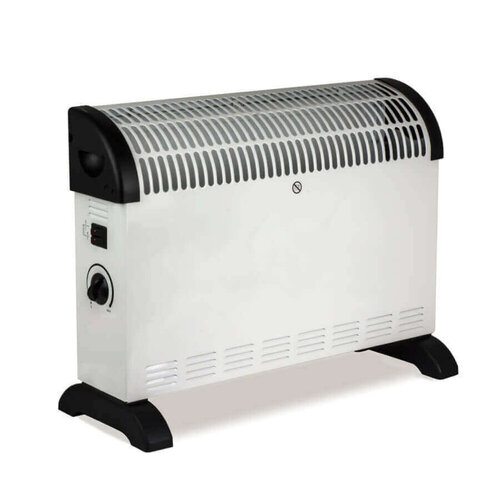
CED Convector Heater - 2000W
2000W convector heater with 3 heat settings
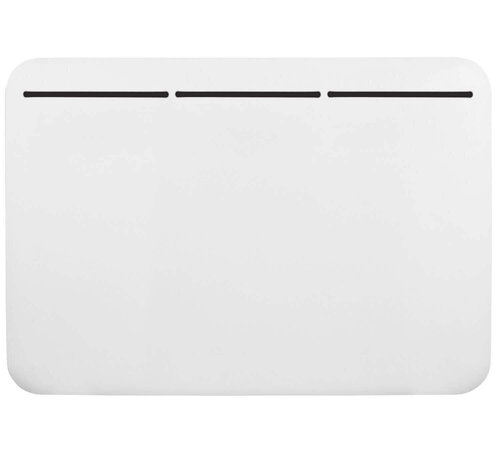
Mylek 1.5kW Digital Panel Heater with 24/7 Timer, Thermostat and LED - 653mm x 1…
1.5kW digital panel heater with 24/7 timer, thermostat, IP24, for bathrooms.
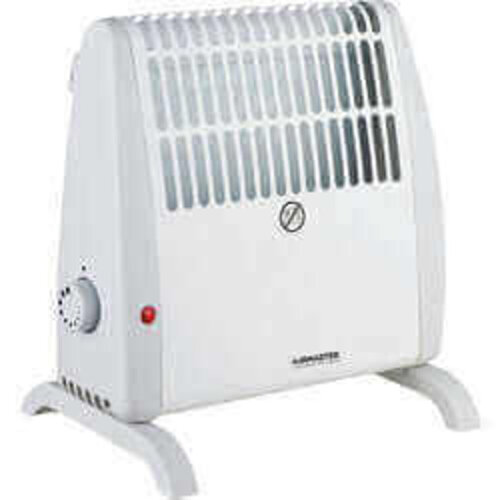
Airmaster Frost Watch Heater - 520W 260 x 245 x 150
520W floorstanding frost watch heater with adjustable thermostat and silent oper…
For the Trade
Start with the space you’ve got, then decide how the heat needs to be used. If it’s moving from room to room, portability matters more than finish or extras. If it’s staying put, look at whether you need a wall mounted heater, a panel heater, or something with more output for a colder area. That’s where the job gets narrowed down properly. A lot of call-backs come from buying on appearance first, then finding the unit doesn’t suit the layout or the way the space is used.
Heater Options Compared
At the counter, the first split is usually between heaters that give you a quick hit and ones that hold a steadier background temperature.
Fan heaters suit short bursts and awkward jobs because they move heat fast. The trade-off is noise and a less even output.
Convector heaters and panel heaters work better when you want a calmer run over longer periods. Oil filled heaters are slower to respond, but once they’re warm they tend to keep ticking over.
Portable heaters make sense where the unit needs to move between areas. Fires, Stoves & Electric Heating is the parent range if you’re comparing against the wider heating offer.
Choosing Materials and Size
If you’re narrowing heaters for a job, start with whether the unit needs to stay put or move around site. A plug-in heater suits a socketed area where you only need local heat. A wall mounted heater keeps floor space clear and is less likely to get knocked about.
For a fast warm-up in a draughty area, fan heaters still get picked because they respond quickly, though they are not the quietest option. If you want steadier background heat, panel heaters or convector heaters are usually the cleaner call. For a direct hit on one area, Fireplaces or Stoves sit in a different part of the job entirely.
Completing the Setup
Once you’ve picked the heater, the next call is what sits around it. In a plant room, workshop or garage, that means checking the wall finish, any guarding or screen needed for clearance, and whether you need a fixed position or something you can move out of the way.
A wall-mounted unit keeps the floor clear, but it only works cleanly if the background finish and fixing point are sorted first. If the heater sits within a wider fit-out, the surrounding panels and trims matter as much as the unit itself. Leave that half-finished, and it comes back on the job.
Related searches
Local availability for Heaters












