Fires, Stoves & Electric Heating
For fires, stoves & electric heating, the first question is what the job needs to do. You might need a visible flame effect, room heat, or a straight replacement where the existing setup already sets the route. Electric fires suit quicker installs and lighter spec work. Gas fires need the right supply and flue arrangement, so they fit sites that already support them. Stoves bring a different look, but they also mean more weight and more checks on clearances and fuel type.
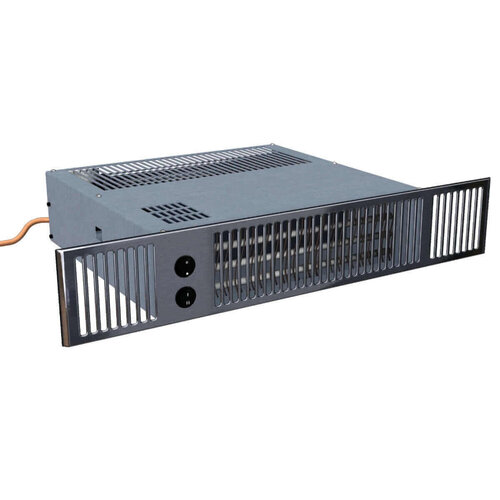
Smiths SS3/5 Space Saver SS3 Hydronic Plinth Heater - Stainless steel grille, no…
Hydronic plinth heater with stainless steel grille, fits under kitchen units
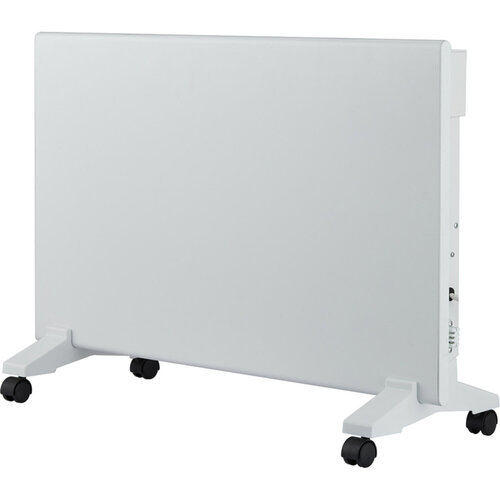
Wessex Convector Panel Heater with Timer - 1.5kW White
White 1.5kW convector panel heater with 24hr timer and safety features
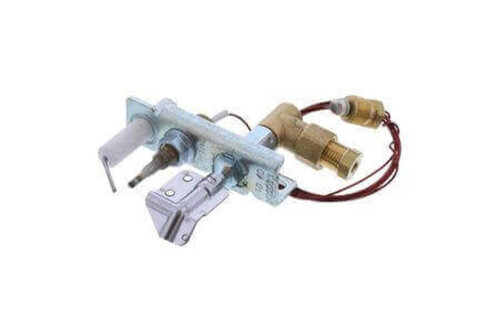
Valor Firelite Black Beauty Pilot Unit
Pilot unit for Valor and BG gas fires, includes bracket, electrode, thermocouple
Wall Mounted Panel Heater with LCD Display - 750W 8m² 437mm x 618mm x 116mm Whit…
750W IP24 wall-mounted panel heater with LCD display and anti-frost, 8m² coverag…
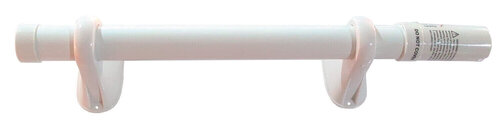
Osily Tubular Heater with Adjustable Thermostat - 1050mm 135W IP44 White
Tubular heater with adjustable thermostat, 1050mm, 135W, IP44 white.
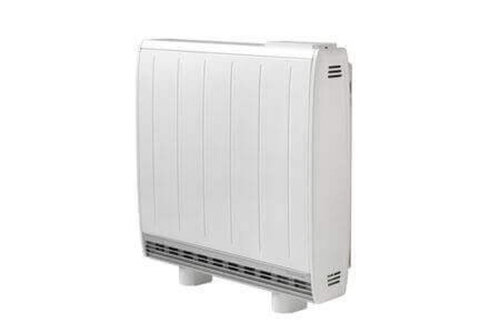
Dimplex Quantum HHR Control Storage Heater - 0.5kW
Dimplex Quantum 0.5kW high heat retention storage heater with smart controls
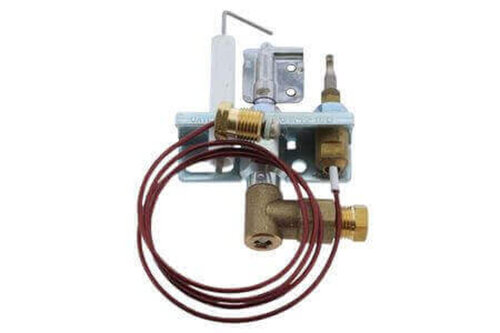
Valor Oxy Pilot - Black
Oxy Pilot assembly, black, fits multiple appliances
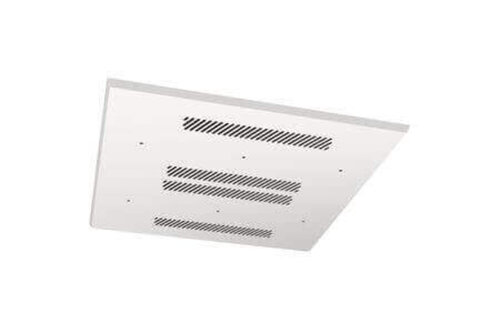
Smiths Skyline CT4E Ceiling Mounted Electric Fan Heater - White
Smiths Skyline CT4E ceiling fan heater, white, fits 600mm x 600mm tile space.
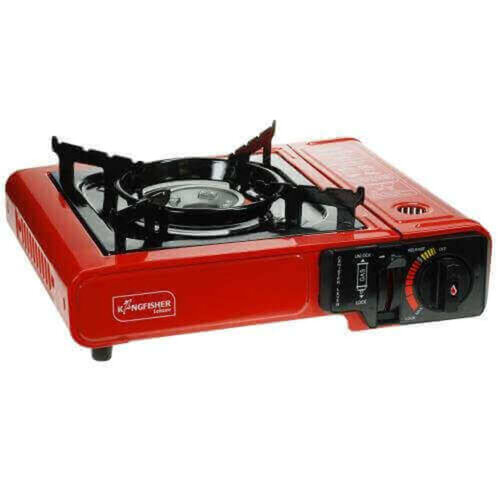
Kingfisher Portable Gas Stove
Kingfisher portable gas stove
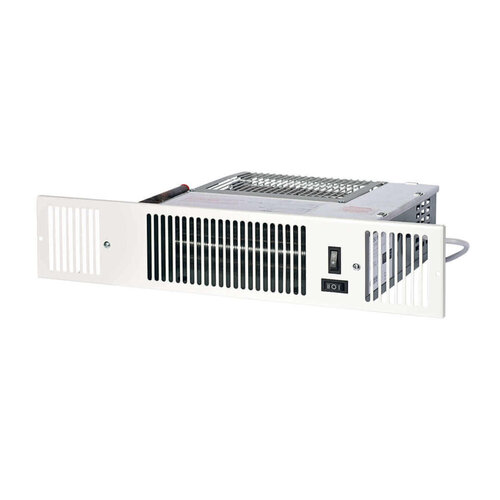
Myson Kickspace 800 Fan Convector - White grille
Space-saving fan convector with white grille for kitchen plinth installation
For the Trade
Start with the space you’ve actually got and how the job needs to work, then the rest of the spec usually falls into place. In Plumbing & Heating, the right call on fires, stoves & electric heating usually comes down to footprint, clearances, and whether you’re replacing like for like or building out a feature. A tight opening often points you towards slimmer electric fires. A bigger opening can take a heavier unit or a more substantial stove. Finish and accessories come after that. Size and format are what cause grief on site, not the colour.
Fireplaces
If it’s a straight replacement, Fireplaces are usually the cleaner buy. You work to an existing opening and finish, not the whole look around the appliance.
That narrows the choice. Check the opening, the surround, and whether you need a more traditional face or something that sits flush. Electric fires are the easier fit where you want less disruption. Gas fires need the right supply and flue arrangement, so they are not the quick swap people sometimes expect.
Heaters
If you want a quicker fit with less disruption, Heaters are the narrower buy.
They cover the heat requirement without the same visual impact. That makes them a better fit for straightforward replacements and add-on warmth, rather than a focal point.
Stoves
Stoves usually come down to two things. What the client wants to see, and what the opening will take.
If you’re replacing like for like, the main call is whether you need a straightforward unit or something heavier that changes the job around it.
A stove gives you more presence than electric fires, but you give up some of the easy-fit simplicity. If the spec is already set, Stoves is the narrower buy within fires, stoves & electric heating. If not, the opening and the fuel arrangement usually decide it first.
Key Differences When Choosing
The choice in fires, stoves & electric heating usually comes down to what the job can take and the finish the client wants.
Electric fires suit quicker swaps and lighter work. You are not tied into the same supply and flue questions. The trade-off is less presence than you get from a gas fire or a stove.
Gas fires need the right services in place, so they make sense where the spec already supports them. If the job sits within a wider heating scheme, Central Heating is the next check. That can change what you buy before you get near the opening.
Next Decisions After Choosing
Once you’ve picked the main unit, the next call is what finishes the surround and what needs to sit with it on the job.
Panels, screens and wall finishes come in when the opening is being rebuilt or the existing face needs tidying up. Storage and accessories matter when the client wants logs, tools or a cleaner set-up around the appliance.
A lot of call-backs start with the finish being left until last. The opening, trim and appliance should be lined up together.
Related searches
Local availability for Fires, Stoves & Electric Heating















