Access Panels
Choose access panels by where they’re going and how often you need back-in access. A plastic access panel suits straightforward plumbing access panels, while a metal access panel is the firmer choice where the door may take knocks or needs a more solid feel. Flush and recessed options suit cleaner finishes, but they need more care on opening size and the surrounding board. If you want a paintable access panel or white access panel, the main decision is how much finishing you want to do after the job.
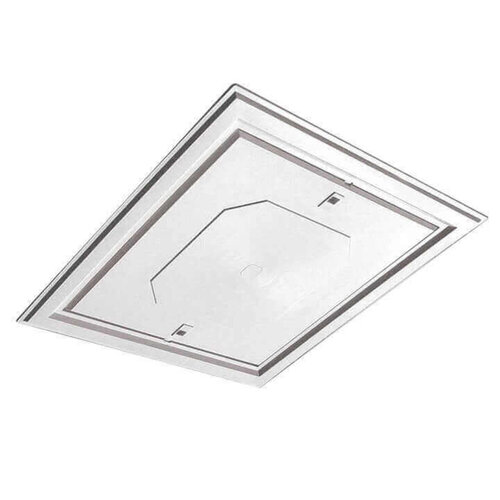
Push Up Loft Access Door - 528mm x 528mm door, 562mm x 562mm cut out
Push up loft access door, 528x528mm door, 562x562mm cut out
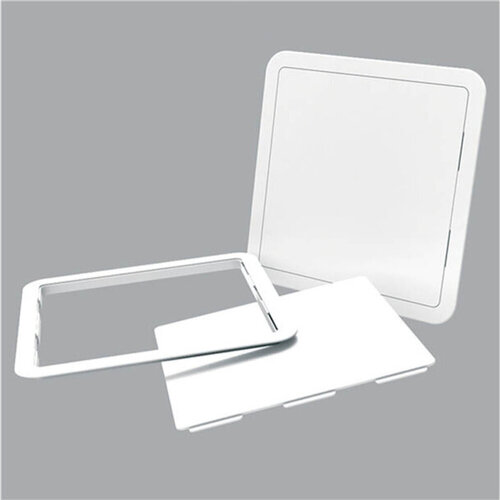
Manthorpe Access Panel - 300mm x 300mm
300x300mm access panel for plumbing and electrical access behind walls/ceilings
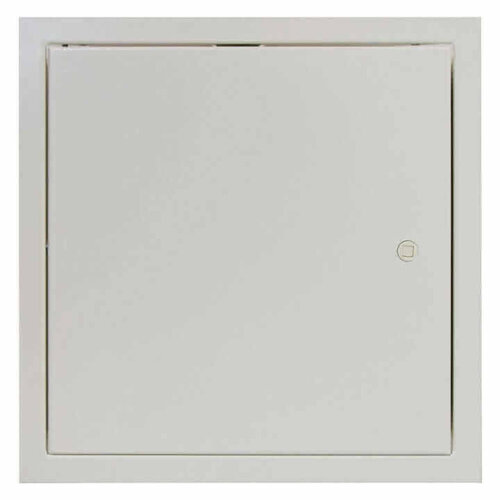
Palco Metal Door Access Panel PF 1HR FR White - 300mm x 300mm
Fire-rated metal access panel, 300mm square, white
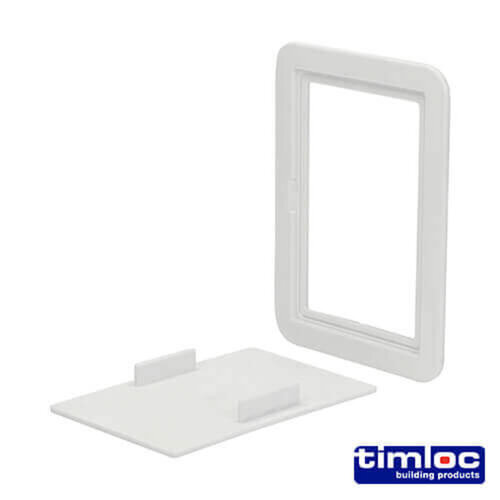
Timloc Access Panel Universal Clip Fit Door Plastic - 115mm x 165mm White
White clip-fit plastic access panel, 115x165mm, for inspection access.
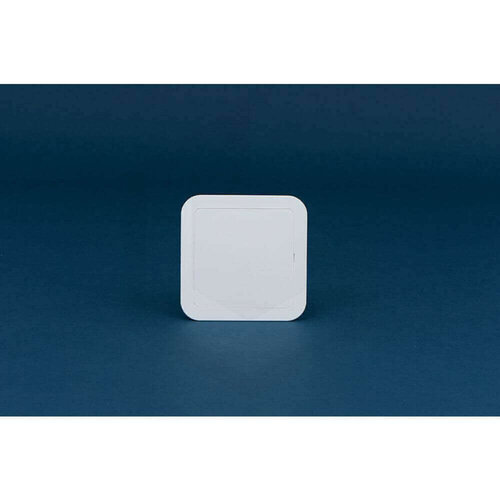
Plastic Handy Access Panel - 200mm x 200mm
Plastic access panel measuring 200mm x 200mm
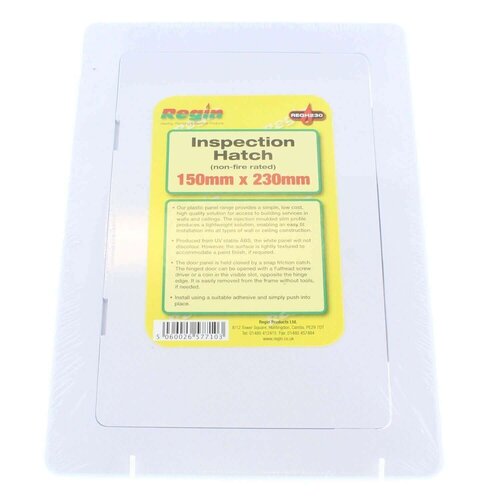
Regin Inspection Hatch
230 mm hinged plastic inspection hatch for easy wall/ceiling access.
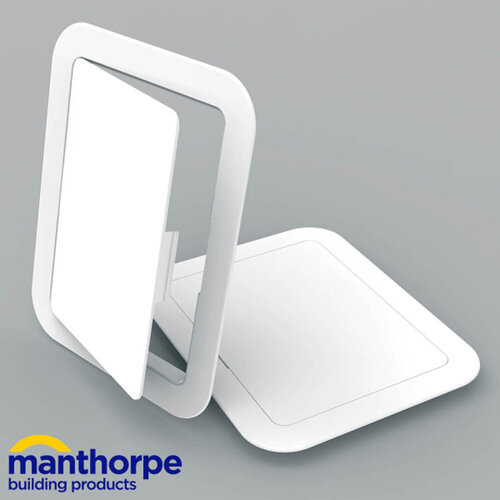
Manthorpe Access Panel - 150mm x 200mm
150 x 200mm hinged access panel for walls and ceilings
For the Trade
The first question is how often you’ll need back-in access and what the opening has to sit against. For regular plumbing access panels, a simple white access panel is usually the quickest fit where the finish is plain and the opening won’t be touched much. A paintable access panel makes more sense when you need it to disappear into the wall finish. A metal access panel is the one to use where the hatch is likely to get knocked or opened often. Size matters, but it is rarely the only call. The usual mistake is buying on size alone and finding the door type or frame detail doesn’t suit the job.
Types of Access Panels
A basic access panel door suits straightforward plumbing access when you need a reliable opening and nothing more.
Inspection access panels work better where servicing needs a clearer, more direct opening. An access panel hatch is the simpler, more utilitarian choice. Trade access panels cover the common jobs without fuss.
If you move to a flush or concealed finish, you usually give up a bit of speed for a cleaner result.
Selection Factors for Access Panels
Material is the main call here.
A plastic access panel is usually the lighter, quicker-handling option. It suits a simple white access panel and keeps weight down in the lining.
Metal access panel options are better where the opening takes more knocks or needs a firmer feel once fitted. They are heavier, so they can be less forgiving in tight spaces.
If the finish matters, go for a paintable access panel or flush access panel. You give up a bit of simplicity, but the result sits cleaner in the wall.
For the rest of the run, it’s worth lining up Waste Pipe & Fittings alongside the panel. If the opening is for valves or taps, check Brassware, Valves & Taps before you order.
Finish the Room
Once you’ve picked the access panel, the next call is what else needs to sit around it. If the opening is in a tiled or painted wall, sort the surrounding finish before the panel goes in. Otherwise you end up trimming to a poor edge.
In plant rooms and service cupboards, the panel often needs to line up with nearby pipework, valves or a boxed-in run. That keeps the access point where the next man will actually use it. A flush access panel works when you want it to sit back with the wall. A paintable access panel makes sense if you’re finishing it to match. A plain white access panel is fine when the wall finish is staying simple.
Related searches
Local availability for Access Panels










