Flexible Hoses
Flexible hoses are usually chosen on the connection you’re making first, then on length, end fittings and how much movement you need at the appliance or tap. A braided hose gives a bit more protection and a neater finish, while a plain flexi hose can be enough where the run is short and access is straightforward. The one that gets called back is usually the one with the wrong thread or not enough slack, so check the connection before you leave the counter.
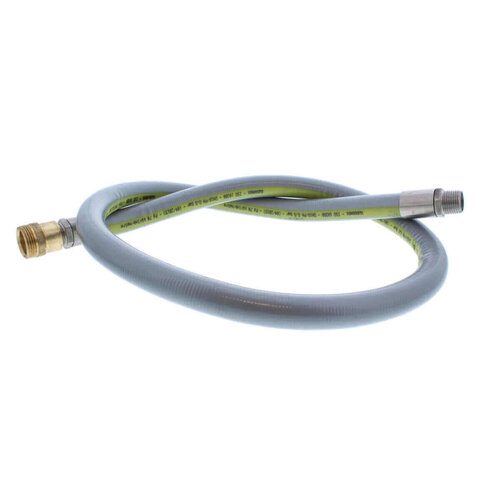
Steel Hose - 1.2m
Flexible stainless steel hose for boilers up to 70 kW, 1.2m length
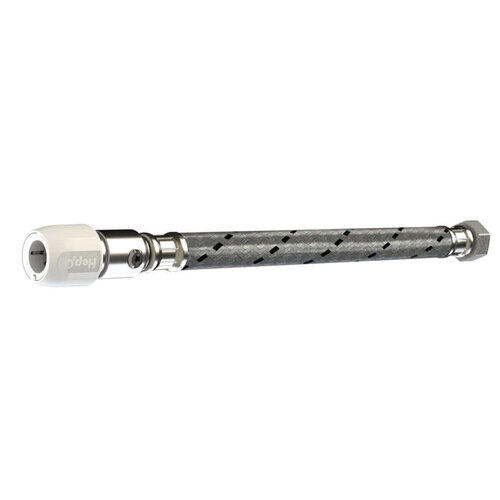
Hep2o Flexi Tap Connector Valve
Push-fit flexible tap connector for sinks/basins, 15mm x 300mm, white, WRAS appr…
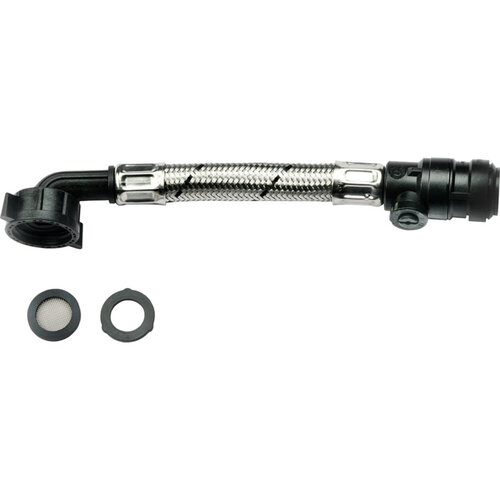
Salamander Flexible Anti-Vibration Couplers - 15mm Angled
Angled anti-vibration coupler with push-fit and isolation valve for shower pumps
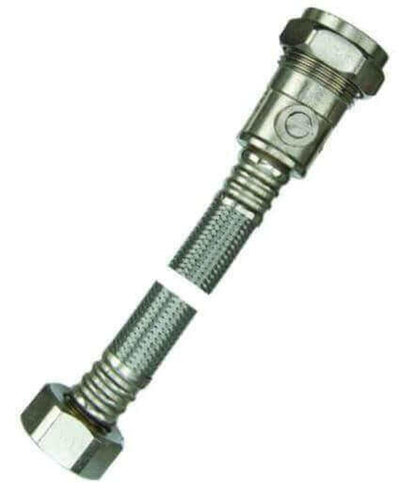
Primaflow WRAS Flexible Tap Connector with Valve - 22mm x 3/4" x 300mm
WRAS approved flexible tap connector with valve, 22mm x 3/4" x 300mm
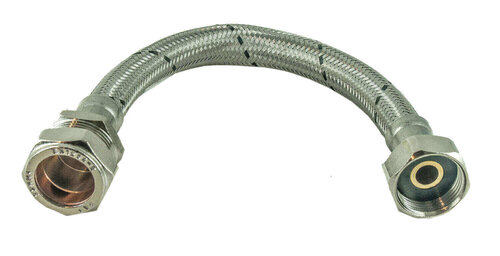
Flexible Tap Connector - 22mm x 3/4" x 300mm
Flexible tap connector, 22mm x 3/4 inch, 300mm length
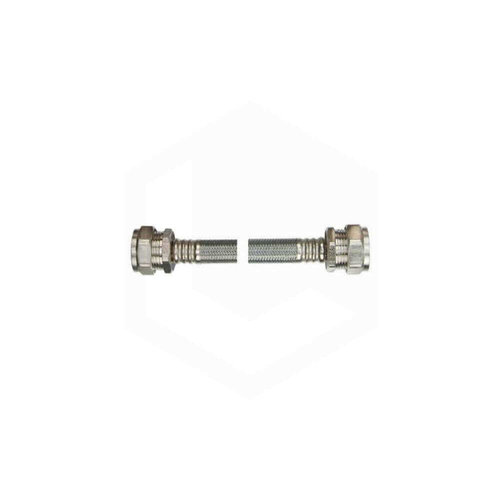
Primaflow Standard Bore Flexible Tap Connector - 15mm x 15mm x 300mm
15mm x 15mm x 300mm standard bore flexible tap connector
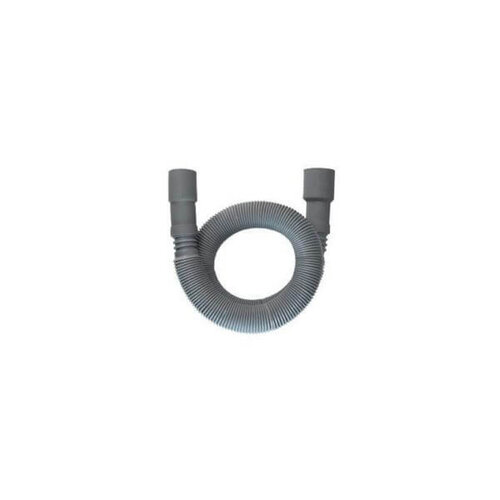
Midland Brass Flexible Washing Machine Discharge Hose
2.1m flexible metal washing machine discharge hose with threaded connection
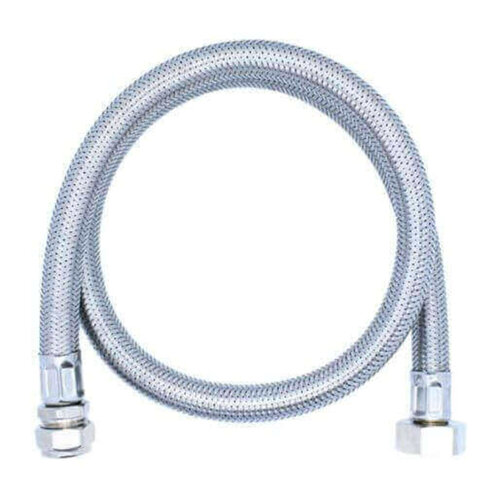
Flexible Braided Tap Connector to Compression - 3/4" x 15mm x 900mm
900mm braided flexible tap connector, 15mm compression x 3/4" BSP, with isolatio…
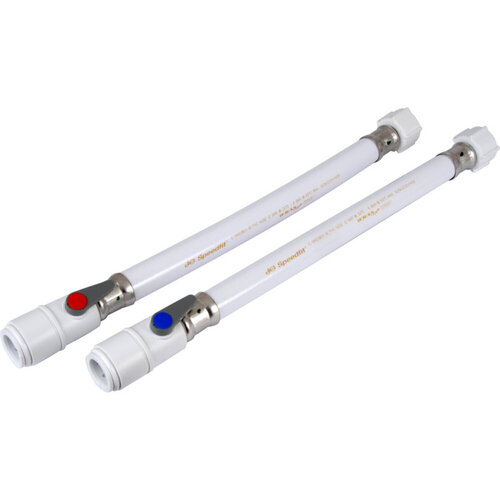
JG Speedfit Union Nut Tap Connector with Handled Service Valve - 15mm x 1/2" BSP…
15mm x 1/2" BSP tap connector with service valve, 300mm, 2 pack
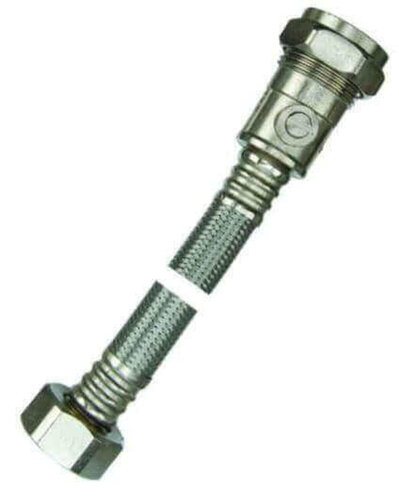
Flexible Tap Connector with ISO Valve - 15mm x 1/2" x 300mm
Flexible tap connector with isolation valve, 15mm x 1/2", 300mm length
For the Trade
Start with the connection and the run, then decide how much movement you actually need. On a tight tap swap, a shorter flexi hose keeps the route clean and avoids excess looped pipework. Where access is awkward or the tails never quite line up, a longer hose gives you the slack to land it without forcing the fitting. If the space is cramped, that layout decision matters more than finish. After that, check the thread and end type against the fitting you’re landing on, because that is where most wrong picks happen. Near heat, abrasion, or regular movement, the hose build matters more than the price gap.
Flexible Hose Types and Layouts
For flexible hoses, the first split is between a straight replacement and a job that needs movement to make the connection work. A flexible tap hose or flexible connector hose suits the quick swap where the pipework is close enough and you need a clean link without fighting the last few millimetres.
A flexible hose pipe with more give is the one you reach for when the run is less forgiving. You lose a bit of neatness, and sometimes some rigidity, but you get the connection made. If you’re matching the rest of the job up from Plumbing, keep the system in mind rather than forcing the wrong hose to do the work.
What to Check Before You Buy
Material is where most of the decision sits. A stainless steel flexible hose is usually the pick when you want a firmer face and more resilience in daily use, but you pay for it in weight and handling compared with acrylic.
That trade-off matters on site. A heavier hose is harder to manoeuvre, especially in a tight run or when you are fitting out in a hurry. If you need to get back to the connection later, Access Panels are worth thinking about at the same time. For close-coupled jobs, Toilet Spares often come into the same order.
Useful Alongside Flexible Hoses
Once you’ve picked the hose, the next call is what sits around it. If the connection is buried or awkward to reach, an access panel saves you a return visit later.
Where the job finishes around a toilet, toilet spares matter more than most people think. A hose swap often exposes a weak fill valve or a tired seal. Check the surrounding brassware too. A mismatched thread or a poor valve can turn a quick change into a second visit.
Local availability for Flexible Hoses














