Kitchen & Gas Fittings
Kitchen and gas fittings come down to the appliance, the connection point and how much adjustment you need on the day. If you are matching a cooker or hob, the main split is between a simple connector and a fuller set with the parts you need to finish the job cleanly. The fuller kit saves a second run, but only if the layout suits it. Too rigid and you lose time. Wrong hose length or end type is what usually brings the call-back.
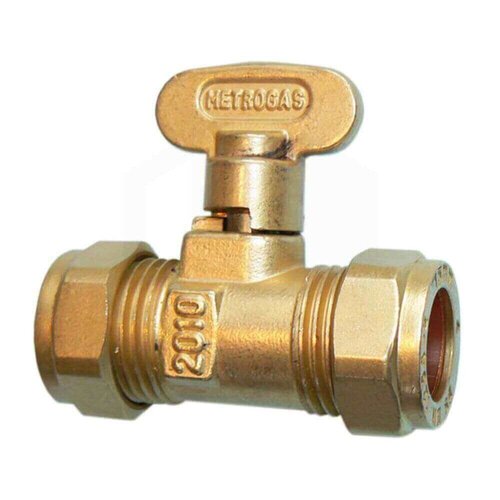
Isogas Gas Cock - 15mm
15mm gas cock for gas pipe control
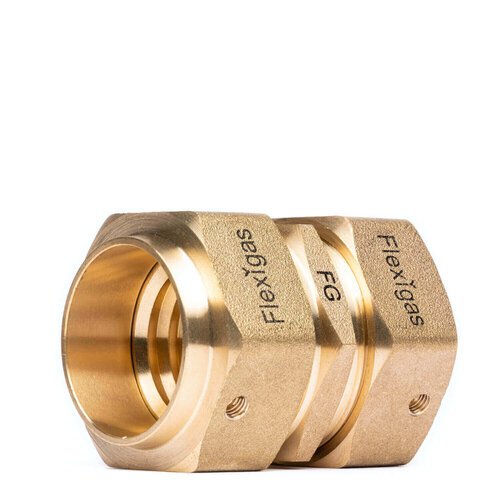
Flexigas Straight Union - 32mm
32 mm straight union coupler for Flexigas CSST tubing, metal-to-metal seal
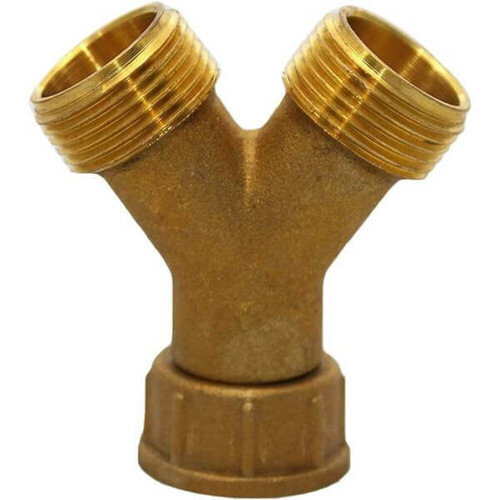
Center Y Piece for Washing Machines & Dishwasher - 3/4" Brass
Brass Y-piece for washing machine or dishwasher, 3/4"
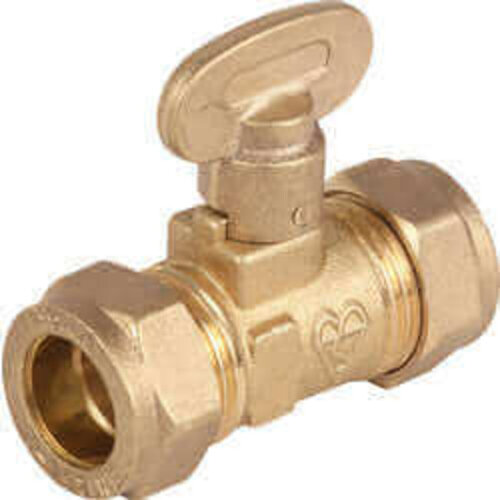
Isolating Gas Ball Valve - 22mm
22mm gas isolating ball valve approved to EN331:1998.
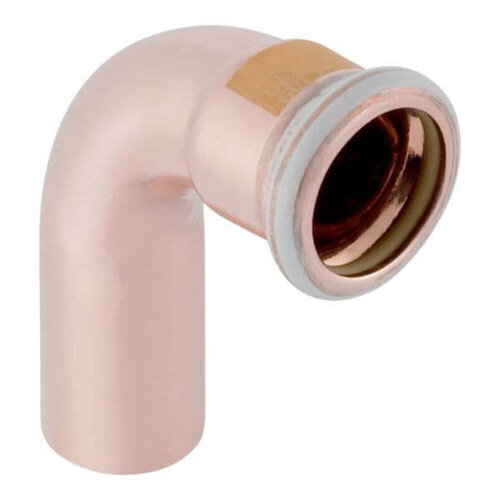
Geberit Mapress Copper 90° Bend with Plain End for Gas - 28mm
Copper 90° bend for gas pipes, 28mm
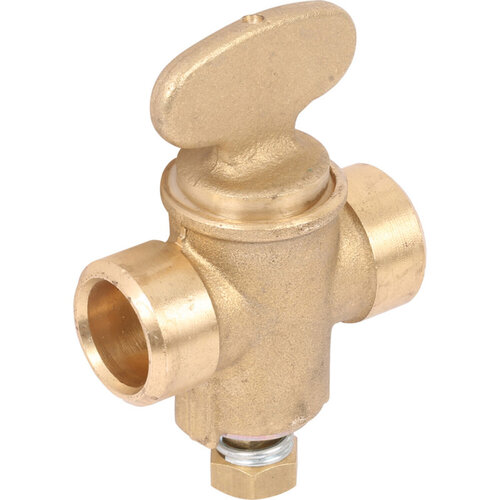
Capillary Fan Key Gas Cock - 15mm
Brass capillary fan key gas cock for gas installations.
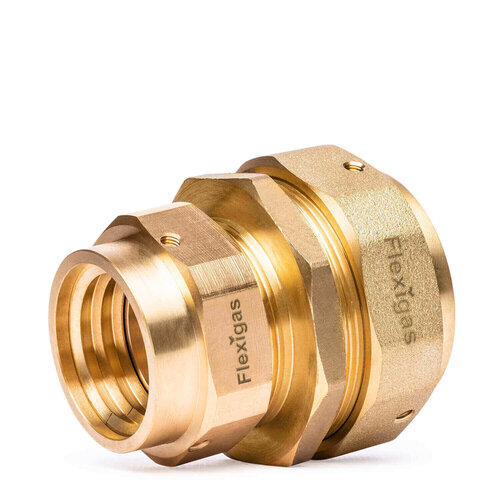
Flexigas Reducing Union - 28mm x 22mm
Flexigas reducing union for 28 mm to 22 mm CSST tubing, metal-to-metal seal
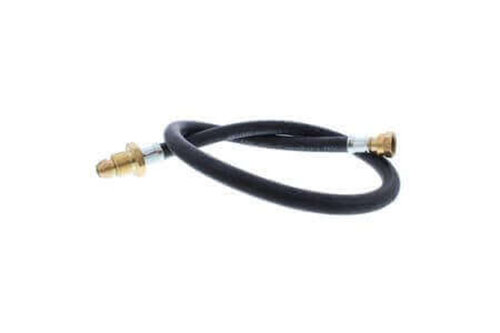
Clesse Pigtail Hose - 838.2mm UKPOL x W20
838.2 millimetres LPG rubber pigtail hose for cylinder changeover systems
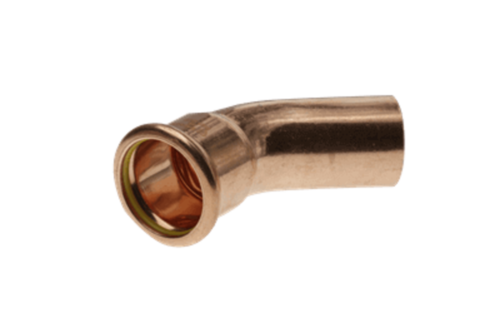
Pressfit Gas 45° Street Elbow - 28mm
28mm pressfit gas 45° street elbow fitting
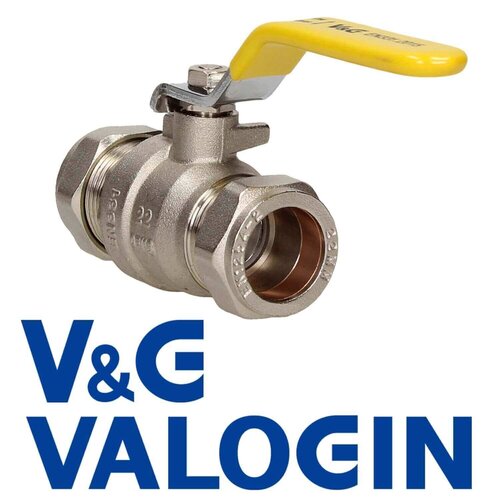
V&g Gas Lever Ball Valve - 22mm Yellow Handle
22mm gas lever ball valve with yellow handle
For the Trade
Start with the space you’ve got and how the appliance needs to sit. That usually matters more than finish or extras. In kitchen and gas fittings, a tight run behind a cooker or hob needs a different setup to a job with room to spare. Get that wrong and you end up fighting the connection at the end. Look at how much adjustment you need on the day. Some gas fittings give you a cleaner run. Others take up awkward positioning without putting strain on the connection. Finish and accessories come after that.
Kitchen & Gas Fitting Options Compared
A simple connector suits a straight swap where the appliance stays put and you only need the right connection parts. It keeps the job lean.
Go for gas appliance fittings or gas connector fittings when you need a bit more give at the appliance end. You gain flexibility, but you add more parts to check and more joints to keep tidy.
Gas installation fittings suit a connection built from scratch. Trade gas fittings work when you want one range that covers most day-to-day callouts.
Choosing Materials and Size
The first check is how much adjustment you need at the appliance and how much room you have behind it. For a straight replacement, simpler kitchen fittings keep the job tidy and cheaper. Use fuller kitchen gas fittings when the connection point is off line or you need more movement to land the appliance properly.
If you are working to a tighter spec, the extra parts can save a return visit. The trade-off is more joints to check. When the run is being opened up or altered, Waste Pipe & Fittings often gets sorted at the same time. If access is awkward, Access Panels are the bit that makes future work easier.
Completing the Setup
Once the cooker connection is sorted, the next call is usually what’s left around it. If the run needs to be hidden or reached later, access panels save you cutting back finished work. That is the bit that usually gets forgotten until the last minute.
If the sink side is being altered as well, waste pipe and fittings often become the other deciding purchase. A neat gas job still looks unfinished if the adjacent services are left bodged. Keep the kitchen and gas fittings choice tied to the appliance position, then finish the surrounding work with the access and waste parts that stop a return visit.
Related searches
Local availability for Kitchen & Gas Fittings












