Pipe Insulation
Pipe insulation usually comes down to pipe size, temperature and the space you have to work with. Foam pipe insulation is the common pick for straight runs where you want quick coverage, while a pipe insulation roll gives you more flexibility on awkward sections and longer lengths. For 15mm and 22mm copper, match the bore properly. A loose fit is the one that gets left behind or split open on site.
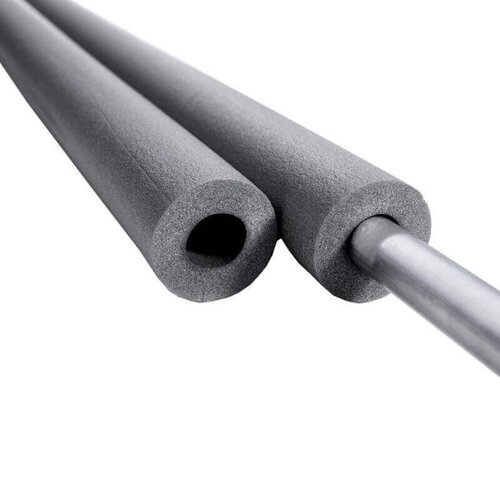
Climaflex Tubolit Polyethylene Pipe Insulation - 15mm x 13mm x 2000mm Grey
Grey polyethylene pipe insulation, 15mm x 2m, BS 7523 Type A
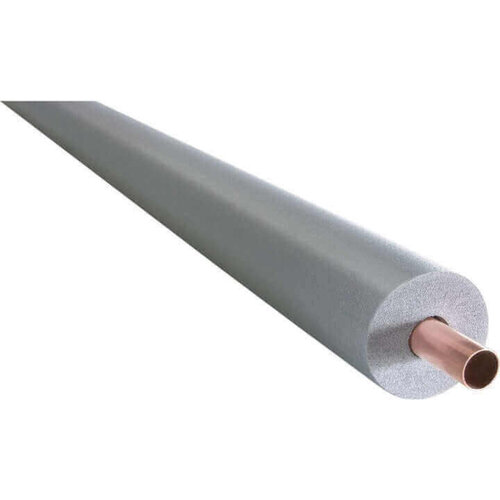
Armacell Pipe Insulation - 28mm x 9mm x 1m
1m foam pipe insulation 28mm x 9mm for domestic heating, hot and cold water syst…
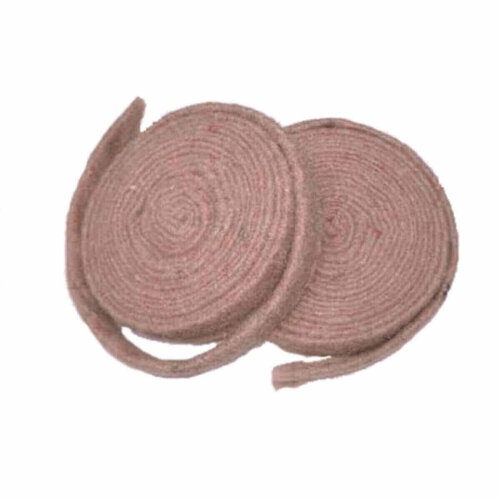
Davant Celafelt Pipe Lagging - 15-22mm, 72ft / 21.6m roll length
Hairfelt stitched pipe lagging roll, 72ft, suits 15-22mm pipes
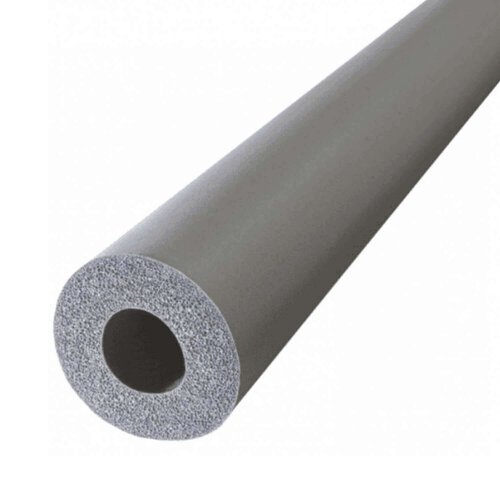
Tubolit Foam Pipe Lagging - 15mm x 9mm, 1m
1m silver-grey foam pipe lagging, 15x9mm wall, for domestic pipe insulation.
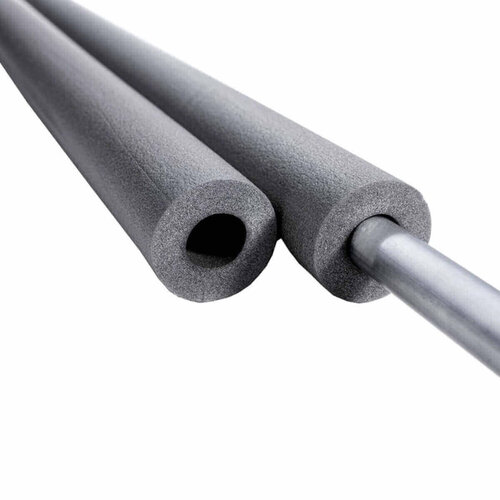
Climaflex Pipe Insulation - 22/9mm 2m
Flexible polyethylene pipe insulation, 22mm bore x 9mm wall, 2m length, BSI appr…
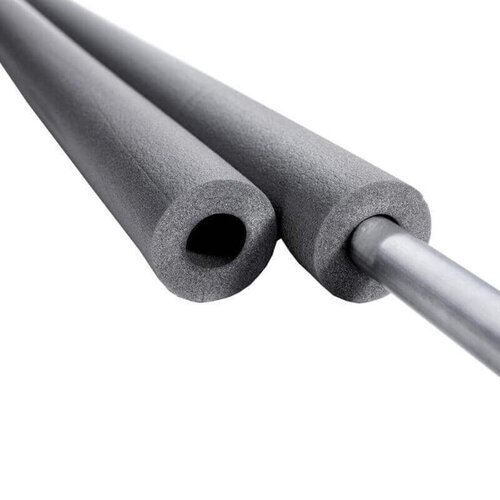
Climaflex Tubolit Polyethylene Pipe Insulation - 22mm x 13mm x 2000mm Grey
Grey polyethylene pipe insulation, 22mm x 13mm, 2m length, suitable for commerci…
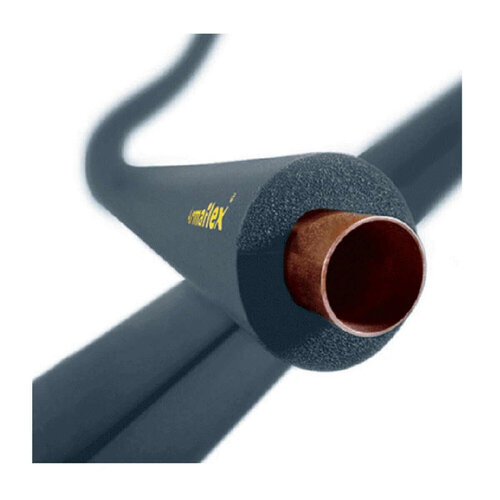
Armaflex Pipe Insulation - 35mm x 9mm (Wall thickness) 2m Slit
Armaflex pipe insulation, 35mm bore x 9mm wall, 2m slit
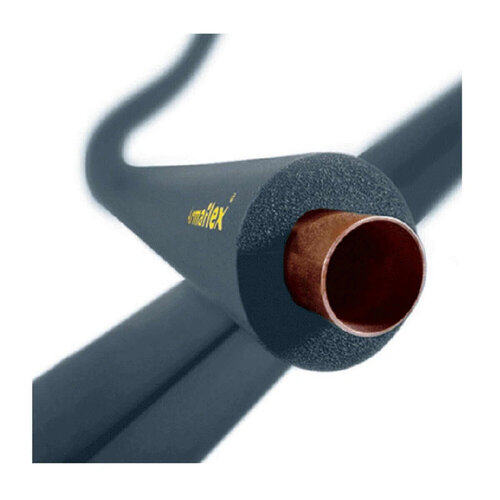
Armaflex Pipe Insulation - 22mm x 9mm 2m slit
Armaflex 22mm x 9mm pipe insulation, 2m slit length
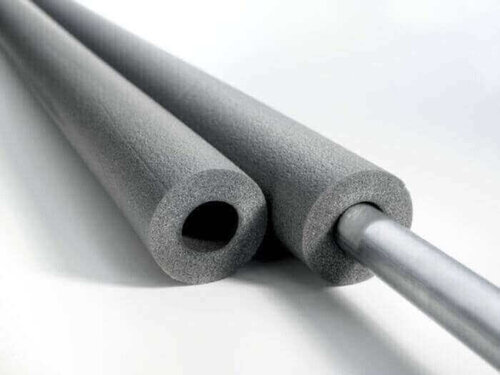
Climaflex Pipe Insulation - 54mm bore 9mm wall x 2m
Flexible polyethylene pipe insulation 54mm bore x 9mm wall x 2m
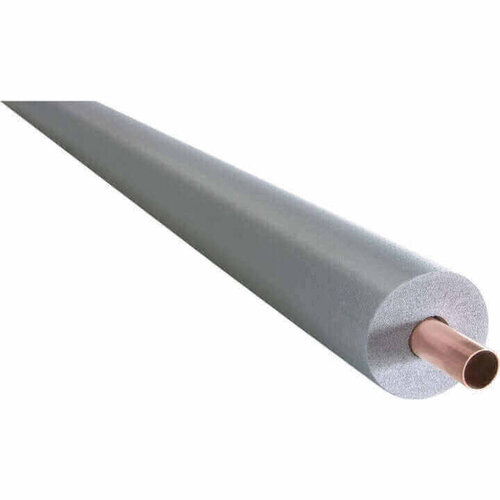
Armacell Pipe Insulation - 15mm x 19mm x 1m
Armacell pipe insulation for 15mm pipes, 19mm diameter, 1m length
For the Trade
You usually narrow pipe insulation by pipe size first, then by how much room you’ve got to get it on and close it up. On a tight run, pre-slit or self-adhesive pipe lagging saves time, but only if the joint stays neat and the adhesive holds. For longer straight sections, standard foam pipe insulation is still the one most lads reach for because it’s quick and predictable. For hot water pipe insulation or heating pipe lagging, thickness and fit matter more than fancy packaging. A poor fit is what gets called back.
Popular Pipe Insulation Formats
Most jobs come down to access and speed. Pipe insulation tube suits regular runs when you want a neat, fixed-size fit. Pipe insulation roll gives you more give on awkward routes or mixed sections.
Self adhesive pipe insulation saves time when you need to move fast and keep the finish tidy. Plain foam pipe insulation gives you more flexibility, but you lose the quick-fit edge.
If you’re working across the range, Plumbing is the parent hub.
Key Differences When Choosing
Material usually settles it.
Foam pipe insulation is the common pick when you want light handling and a quick fit. It goes on fast and keeps the job moving. Copper pipe insulation suits exposed runs where you want a firmer finish. It is heavier and less forgiving, but it tends to hold its shape better.
For hot water pipe insulation, thicker, denser options are usually the better call. For colder services, the choice is more often cost against the protection you actually need. If you are leaving anything accessible for future work, keep Access Panels in mind. Where the job runs into exposed connections or changes in direction, Waste Pipe & Fittings is often the next match.
Next Decisions After Choosing
Once you’ve picked the pipe insulation, the next call is what needs to stay accessible and what can be boxed in. If there’s a valve, joint or metre you’ll need back to, access panels save you cutting finished work later.
Where the run finishes through a visible area, pipe covers and clips keep it tidy and stop the lagging getting knocked about. If you’re tying into other plumbing work, check the surrounding fittings and wastes at the same time so you’re not back for one small part after the insulation’s already on.
Related searches
Local availability for Pipe Insulation









