Plumbing
If you’re buying plumbing supplies for a job, start with what you’re replacing or tying into. Pipe size, fitting type and finish usually narrow it down fast. For straightforward repairs, standard plumbing materials are the economical pick. If the job needs a cleaner finish or fewer return visits, spend a bit more on the right plumbing parts rather than making a mix of bits work.
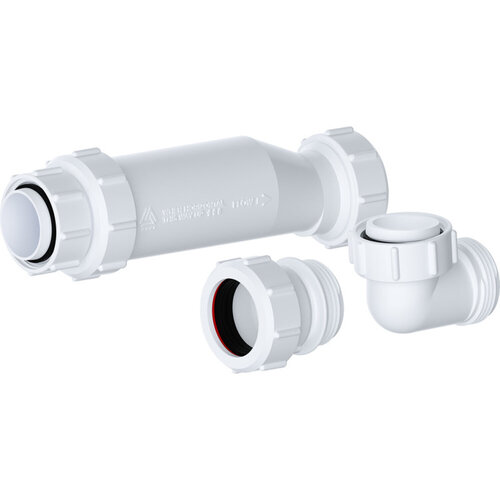
Viva Magna Self-Sealing Waste Valve - 40mm
40mm self-sealing waste valve prevents foul odours and sewer gases
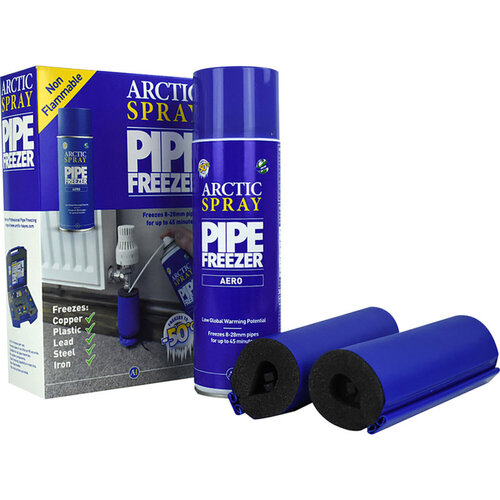
Arctic Hayes Aero Pipe Freezing Kit - 8-28mm
Pipe freezing kit for 8-28mm pipes, freezes to -50°C
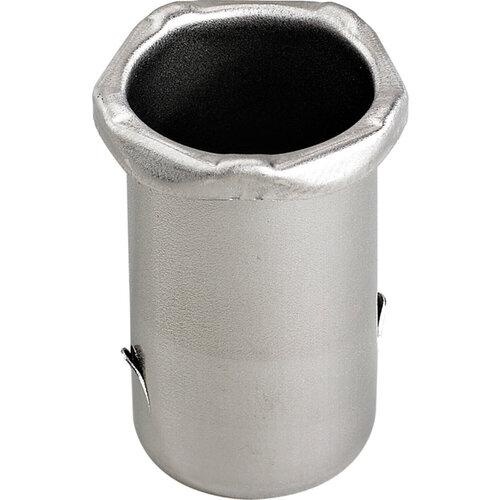
Hep2O Smartsleeve Pipe Support - 22mm
22 x 22mm stainless steel pipe support sleeve for Hep2O push-fit plumbing
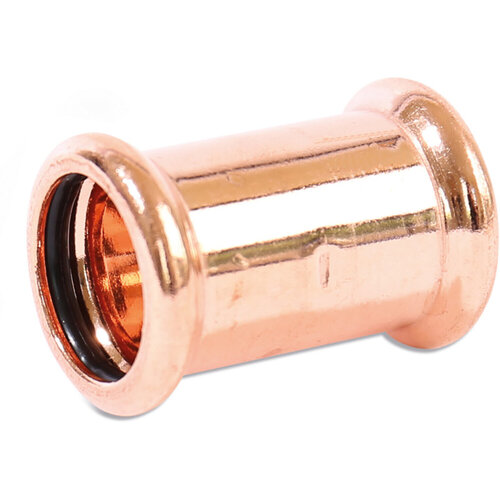
Made4Trade Press Fit Coupler - 15mm
15mm copper press fit coupler for quick, heat-free jointing
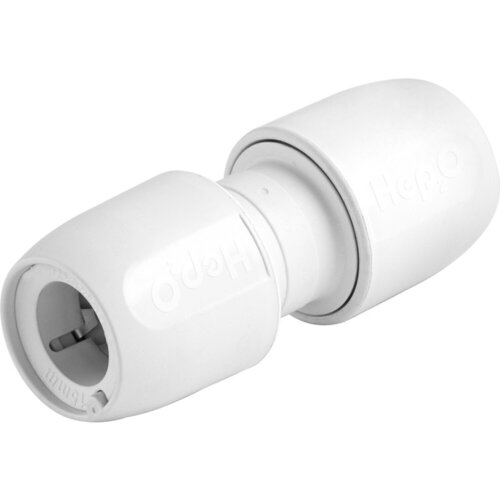
Hep2O Straight Connector - 15mm
WRAS-approved 15mm push-fit straight connector for hot and cold Hep2O plumbing
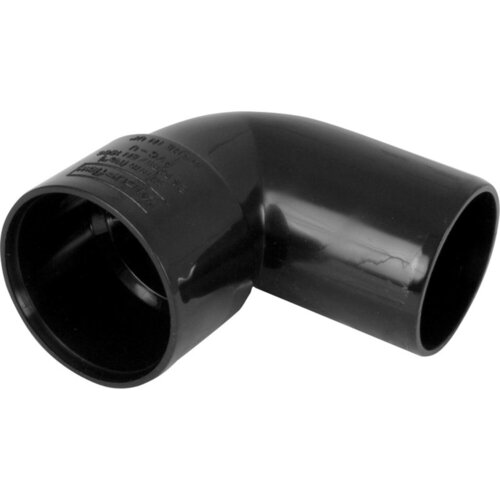
Solvent Weld 90° Conversion - 40mm Black
40mm black solvent weld 90° conversion bend
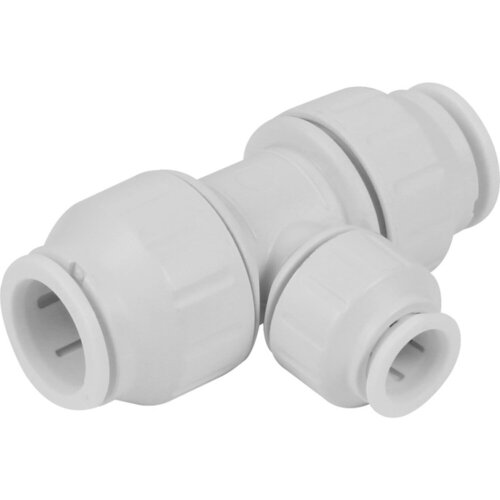
JG Speedfit Reducing Tee - 22 x 22 x 15mm
22x22x15mm push-fit reducing tee for plumbing and central heating
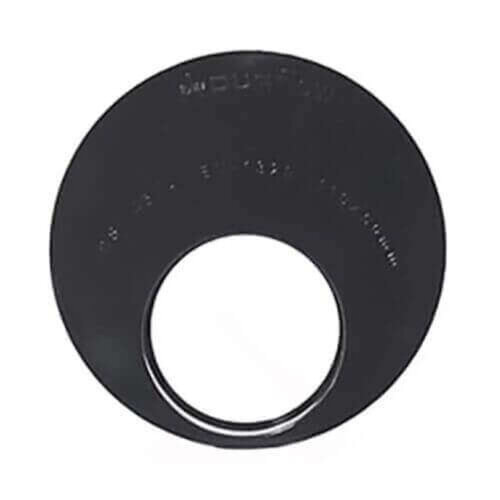
Davant Soil & Vent Flat Reducer Socket Spigot - 110mm to 50mm Black
Black PVCu reducer 110mm to 50mm, solvent weld, for soil & vent
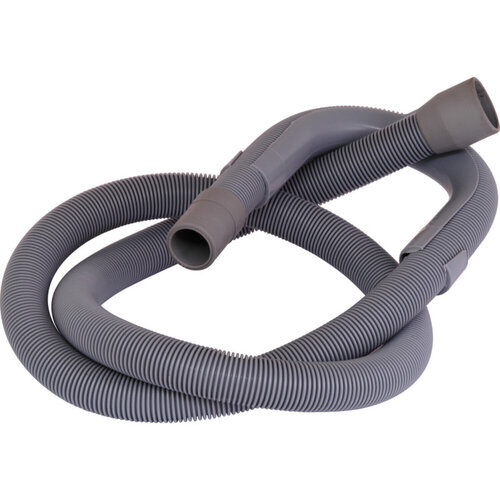
Outlet Hose with Crook End - 1.5m
1.5-metre washing machine outlet hose with crook end
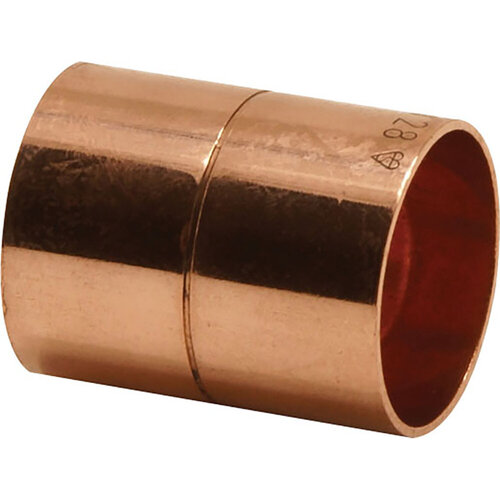
Endex End Feed Straight Coupler - 15mm 10 Pack
BSI Kitemark approved 15mm end feed straight coupler, pack of 10
For the Trade
Start with the space you’ve actually got and how the job will be used. That usually rules out half the options before you look at finish or extras. With plumbing supplies, the wrong call is often the one that looks tidy on paper but does not suit the layout or the access you’ve got. Short runs, tight cupboards, and awkward service voids all push you towards different plumbing materials and plumbing parts. If you need to keep the job moving, buy to the space first, then match the rest to the spec.
Access Panels
Most jobs come down to whether you need a neat service point or a proper access route. Access Panels are what you buy when you know you’ll need to get back in without ripping the finish apart. The choice usually comes down to size, finish, and how often it will be opened.
A plain panel works for occasional access. A better-finished one makes more sense where it will be seen every day. The common mistake is buying to suit the wall finish and forgetting the opening you actually need. That is the detail that saves a call-back.
Brassware, Valves & Taps
For this part of the job, you’re usually weighing up finish, control, and how much isolation you need. Brassware, Valves & Taps is the narrower buy when you need the visible fittings and the working parts to match the spec, rather than pulling general plumbing supplies off the shelf.
Brassware covers the finish and the tap side of the job. Valves matter when you need to shut down a section cleanly without affecting the rest. If you only need basic plumbing materials, that’s usually the cheaper route. Once the job is exposed, or the client will see it every day, this is where you make the call.
Flexible Hoses
Flexible hoses usually come down to two things: what you are tying into, and how much movement the connection needs. They help when a rigid run would be awkward, but the hose still has to suit the fitting type and the space behind the appliance or fitting.
The trade-off is straightforward. You gain easier alignment and a bit of tolerance, but you lose the neatness and certainty of a fixed run. If the connection is tight, exposed, or likely to be disturbed, that is where Flexible Hoses earn their keep.
Kitchen & Gas Fittings
Kitchen and gas fittings come down to what you’re tying into and how much control you need at the connection. For a straightforward kitchen run, you’ll usually want the parts that keep the layout tidy and the connection count down. If the job needs isolation, adjustment, or easier access later, you’ll pick differently.
That’s where plumbing supplies get narrowed fast. The wrong part tends to show up later as a call-back, not at the counter. Keep an eye on what’s visible, what needs to be reached again, and whether you’re buying for speed, access, or a neater finish.
Macerators
Macerators are the one you pick when you need to move waste and a normal gravity run won’t give you a clean route. The choice comes down to outlet position, discharge distance, and how much noise you can live with. That is what separates a tidy install from one that comes back to you.
A compact unit suits a tight install. Go higher-capacity where the run is longer or the use is heavier. In plumbing supplies, this is one of those ranges where the wrong unit shows up quickly in service calls, so match it to the actual layout, not the room name.
MDPE
MDPE is the one you reach for when the run is outside the building or buried, and you want a pipe that handles movement better than rigid alternatives. The call is usually about route and connection method, not price alone. For a long buried feed or a service entry that may shift, MDPE makes more sense than copper or standard plastic pipe.
If the job is internal and fixed, you’d normally stay with the more familiar plumbing supplies elsewhere in the range. The part that catches people out is mixing the wrong fittings or underestimating the bend radius on a tight run.
What to Check Before You Buy
At the counter, the first questions are usually about what the job needs and how much compromise you can live with. With plumbing supplies, check the pipe size, the fitting style, and whether the part will stay visible or be buried behind other work.
Standard plumbing materials are usually the economical pick when the run is straightforward. Better-finished parts make more sense where you’ll be back to it often, or where a callback would cost you time. A lot of issues start when you buy to suit the part in front of you and forget the connection it has to make.
Useful Alongside Plumbing
Once the main plumbing is chosen, the next call is usually what needs to stay accessible and what will be seen every day. That is where access panels, brassware, valves and taps, and flexible hoses come in - panels for service points you may need back into, valves where you want a clean shut-off, and hoses where a rigid connection would fight the layout.
The common mistake is leaving the finishing parts until last, then finding the opening, reach, or connection point does not suit what has already been fitted. Keep the plumbing supplies tied to the job, not just the pipework.
Related searches
Local availability for Plumbing




















