Central Heating Radiators
Central heating radiators come down to three checks: output, size and how the unit sits on the wall. More panels or convector surface usually give you more heat from the same footprint, while single-panel options suit tighter spaces and lighter loads. If the pipework and wall space are fixed, dimensions matter as much as output - the wrong size is the one that causes the call-back.
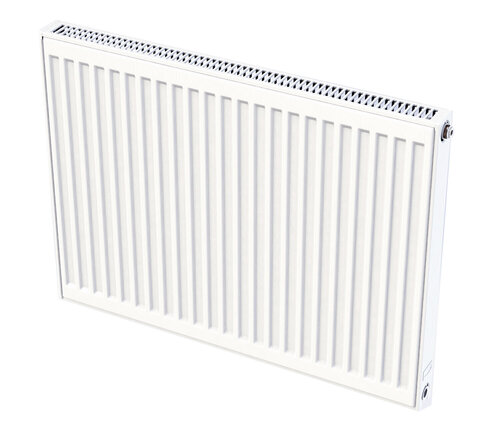
Center Type 11 75SC120 Single Panel Single Convector Radiator - 750mm x 1200mm 5…
White single panel single convector radiator, 750 x 1200 millimetres, 5036 BTU/h
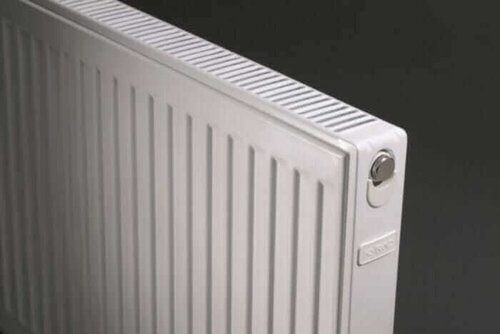
K-Rad Kompact Radiator Type 21 - 400X800MM
Type 21 radiator, 400 x 800mm, white powder-coated, 10-year guarantee
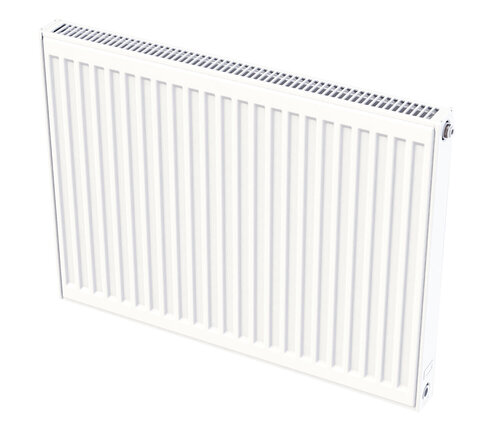
Center Type 21 Double Panel Single Convector Radiator - 600mm x 900mm 4115 BTU
Center Type 21 radiator, 600x900mm, 4115 BTU, white
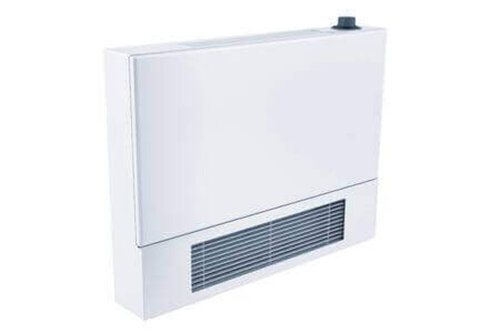
Stelrad LST I Plus K1 Radiator - 650mm x 850mm
Stelrad LST i Plus K1 radiator, 650mm x 850mm, with Danfoss sensor.
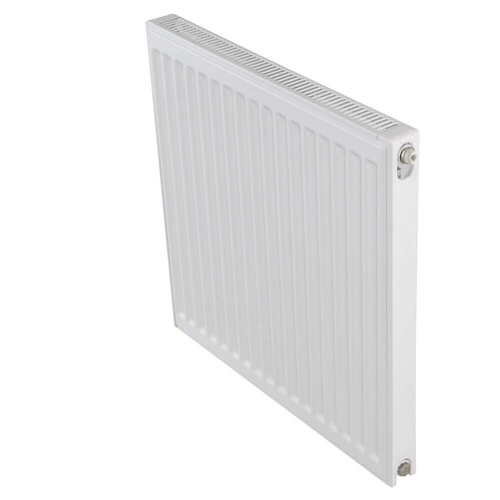
Prorad Single Convector Radiator - Type 11 - 400mm x 800mm
Slim Type 11 single panel radiator, 400 x 800mm, 1849Btu, 10yr warranty
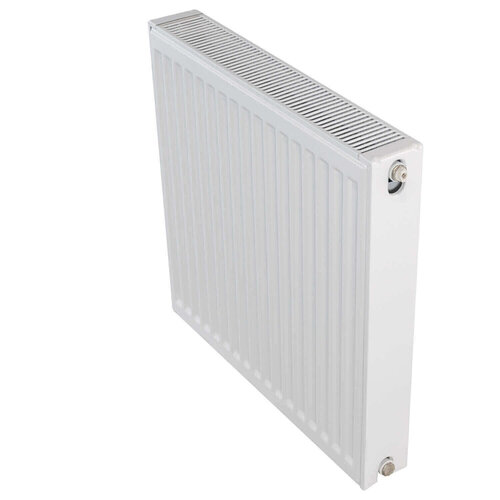
Revive Radiators Revive2 Double Panel Double Convector K2 Compact Radiator - 600…
K2 compact radiator 600mm x 2700mm, 16101 BTU, 10-year guarantee
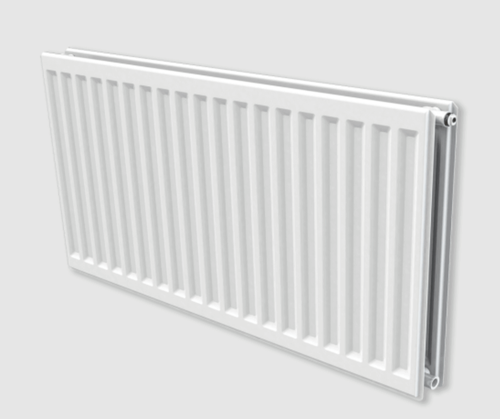
Myson Premier Metric Double Convector 4 Tapping Radiator - 600mm x 900mm
White 600 x 900mm double convector radiator with 4-½" BSP connections
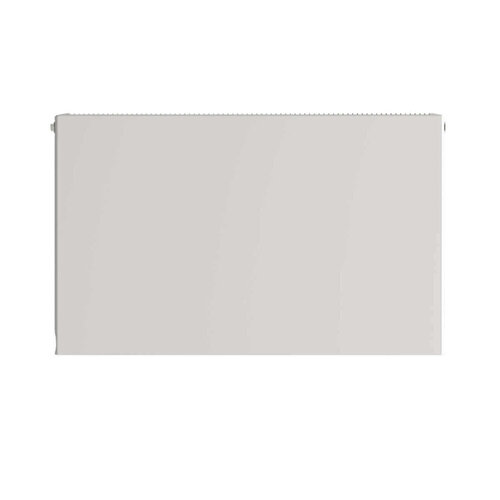
Stelrad Softline Plan K2 Radiator - 600mm x 1000mm
White Type 22 radiator 600 x 1000mm with flat exterior
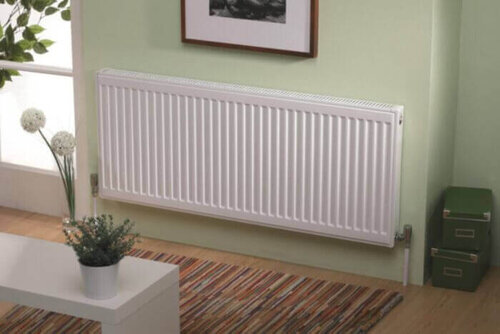
K-Rad Kompact Radiator Type 11 - 600X1200MM
K-RAD Kompact Type 11 single panel radiator 600 x 1200mm white
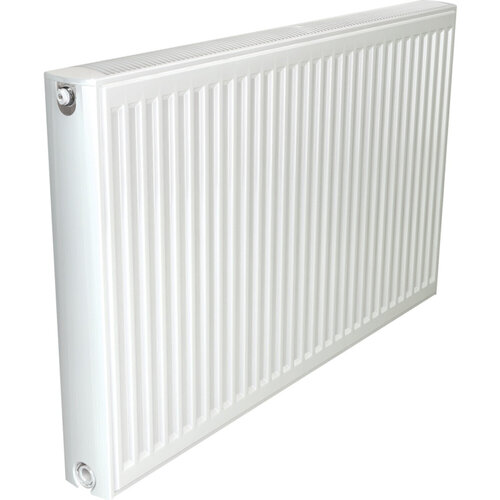
Stelrad Softline Compact Type K1 Steel Panel Radiator 6021BTU - 600 X 1800MM
Stelrad Softline Compact Type 11 radiator 600x1800mm, 6021BTU
For the Trade
For central heating radiators, start with the system and the job spec, not the finish. A standard wet system usually keeps you in the same family of product, but the real checks are output, depth, and whether the pipework and wall space will take the size you want. On a tight swap, a slimmer panel can be easier to land. If the room needs more heat, you may need a deeper unit or a larger footprint. The install package matters too. Flue route, filter requirement, fuel type, and who’s signing it off all change what you should be buying.
Popular Central Heating Radiator Formats
Flat panel central heating radiators are the usual pick when you want a straightforward swap and do not need much depth off the wall.
If you need more output from the same footprint, a double panel or double convector version gives you that. The trade-off is depth. It sits further out and can be tighter on pipe centres and clearance.
Single panel units are slimmer and easier to place where space is awkward, but you give up output. Once you have fixed the room layout, Radiators is where you step back and compare the wider range against the job.
Key Differences When Choosing
The first check is output against space. A deeper unit gives you more capacity, but it also stands further off the wall and takes more room around pipework, skirting and furniture.
On a straight swap, that often matters more than the finish. For tighter spaces or lighter loads, a slimmer panel is usually the cleaner fit. Column Radiators suit jobs where the look is part of the brief and you can live with the extra depth. Designer Radiators come in when appearance is driving the choice, but you usually give up some simplicity and sometimes some output for that.
Next Decisions After Choosing
Once you’ve picked the unit, the next call is what sits around it. If the room needs a cleaner finish, radiator covers are the usual add-on, but they do reduce output a bit and make access tighter when you’re back for a valve change.
Radiator foil is worth considering on older external walls where you want heat back into the room rather than into the masonry. For a neater install, radiator valves and the right parts and accessories matter more than people think - it’s usually the small mismatches that slow you down on site.
Related searches
Local availability for Central Heating Radiators







