Column Radiators
Column radiators are the usual pick when you want a traditional look without giving up much output. Go vertical when wall space is tight or you need more height than width. Horizontal versions suit under-window runs and longer walls. Single column models keep the profile slimmer. Double column radiators give you more heat from the same footprint, but they project further and weigh more.
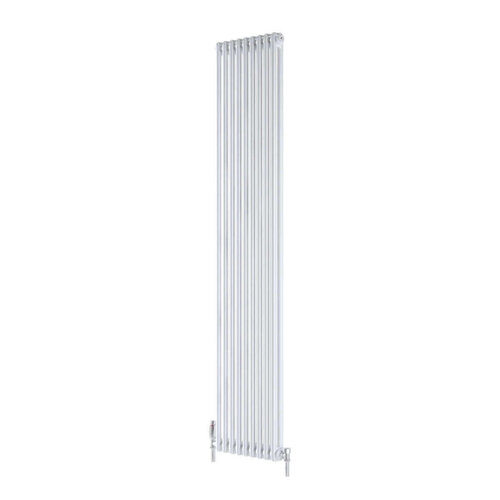
Stelrad Softline 2 Column Vertical Radiator 3809BTU - 1800mm x 444mm
White steel column radiator, 1800 x 444mm, 3809 BTU/h
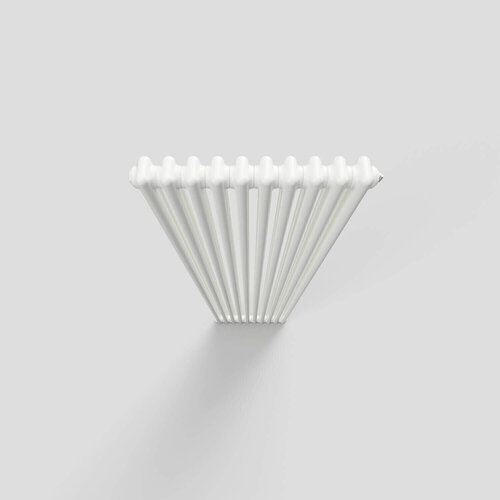
Revive Radiators 2 Column Vertical Radiator - 1800mm x 490mm White
White 1800x490mm vertical 2-column radiator, 4231 Btu, wall-mounted
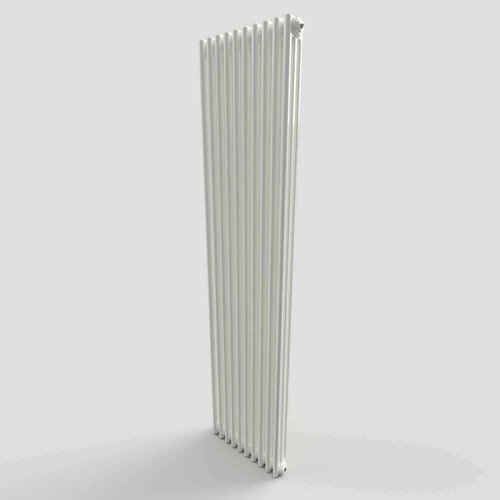
Revive Radiators 3 Column Vertical Radiator - 2000mm x 490mm White
White 3 column vertical radiator, 2000 x 490mm, 6244 Btu, wall mountable
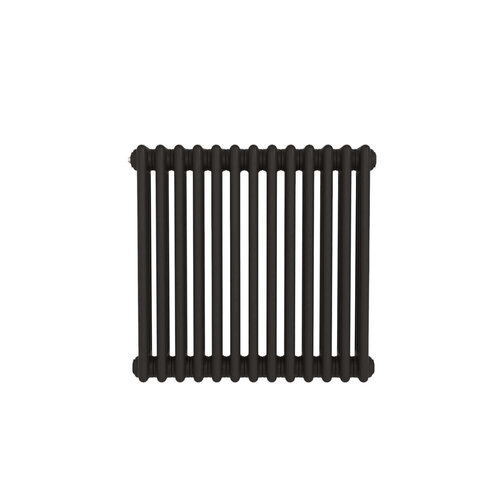
Revive Radiators 3 Column Horizontal Express Radiator - 600mm x 1180mm Matt Black
600mm x 1180mm 3-column horizontal radiator in Matt Black, 5195 Btu
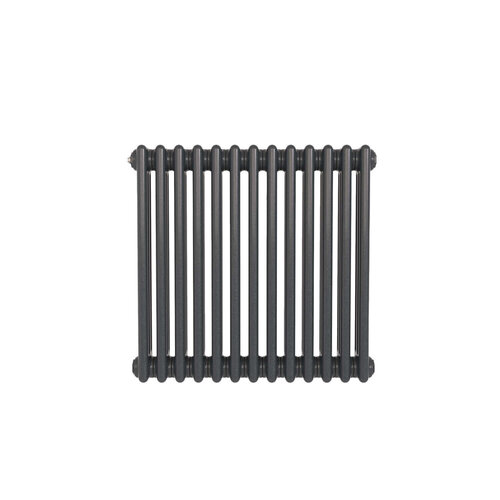
Revive Radiators 3 Column Horizontal Express Radiator - 600mm x 1686mm Anthracite
Anthracite 3-column radiator, 600x1686mm, 7480 Btu
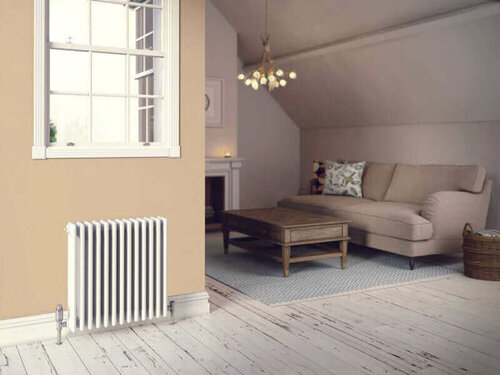
Stelrad Softline 2 Column Radiator Horizontal K2 - White 600mm x 1042mm
White horizontal column radiator, 600mm x 1042mm, 997W
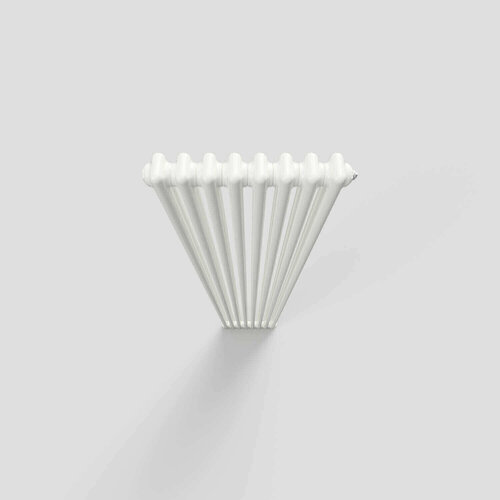
Revive Radiators 2 Column Vertical Radiator - 2000mm x 398mm White
White vertical 2 column radiator, 2000x398mm, 3767 BTU, EN442 certified.
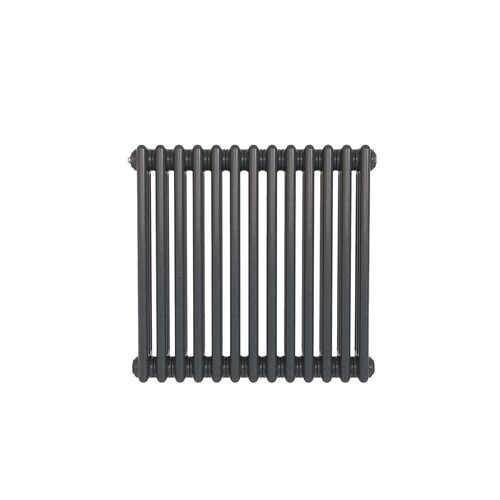
Revive Radiators 3 Column Horizontal Express Radiator - 450mm x 1502mm Anthracite
450mm x 1502mm anthracite 3-column horizontal radiator, 5110 Btu
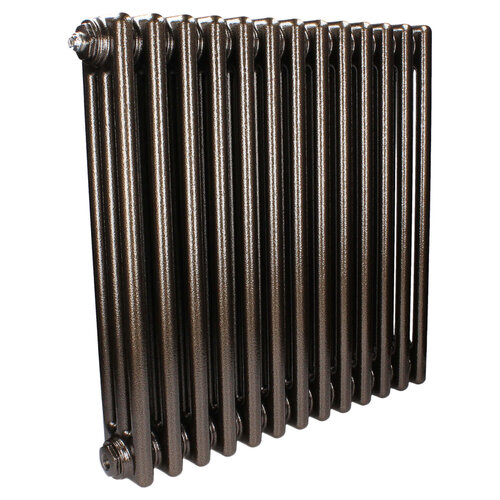
Revive Radiators 3 Column Horizontal Express Radiator - 600mm x 904mm Hammered Gold
600mm x 904mm three column horizontal radiator in hammered gold with 3948 Btu he…
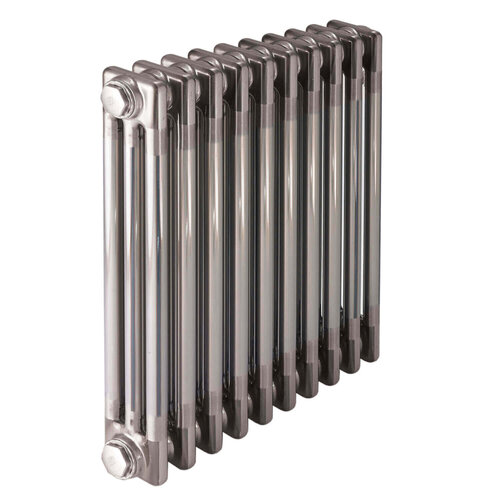
Revive Radiators 3 Column Horizontal Radiator - 600mm x 1180mm Raw metal lacquered
Traditional column radiator with raw metal lacquered finish, 5195 Btu
For the Trade
Start with the space you’ve got and what the room needs the radiator to do. If the wall is tight, a slimmer profile usually makes more sense than chasing extra output you can’t fit in. If you’ve got room to work with, a double column radiator gives you more heat from the same footprint, but it does project further and can feel heavy in a cramped run. Finish comes after that. A lot of call-backs come from choosing on looks first and then finding the layout doesn’t suit the job.
Popular Column Radiator Formats
Vertical column radiators suit jobs where wall space is tight. They keep the footprint narrow and leave more usable wall. Horizontal column radiators work better on longer runs and still sit neatly under windows, so they often slot into straightforward refurb work with less fuss.
Single column radiators give you a slimmer profile and less visual bulk, but output drops with it. Double column radiators take more depth and weight, yet they make more sense when you need extra heat from the same basic style. On Radiators, the real job is choosing the layout the room will take.
Key Differences When Choosing
If wall space is tight, choose between a slimmer face and more output from the same footprint. Single column radiators keep the projection down. Double column radiators give you more heat when you can spare the extra depth.
Horizontal column radiators suit longer runs. Vertical column radiators work when height is easier to use than width.
If the unit needs hiding, Radiator Covers come into play. Add Radiator Foil when you want to cut heat loss into an external wall.
Next Decisions After Choosing
Once you’ve settled the radiator, the next call is what sits around it. A cover only makes sense when the client wants the unit hidden. It can choke output if you box it in too tightly, so only use it where appearance matters more than heat.
Foil is worth adding on colder external walls or where the back of the radiator is losing heat into the structure. It’s a small spend, but it only pays when the wall is the weak point. After that, you’re into the finish around the pipework and the room layout, not another radiator choice.
Related searches
Local availability for Column Radiators