Radiator Parts & Accessories
When you’re after radiator parts and accessories, start with what’s missing or what needs finishing off - a bleed key for routine maintenance, radiator brackets or wall brackets for a secure fit, or pipe sleeves and pipe collars to tidy visible pipework. For a replacement, match the part to the existing fixing and the radiator weight. On a new install, the wrong bracket or foot is what usually brings the call-back.
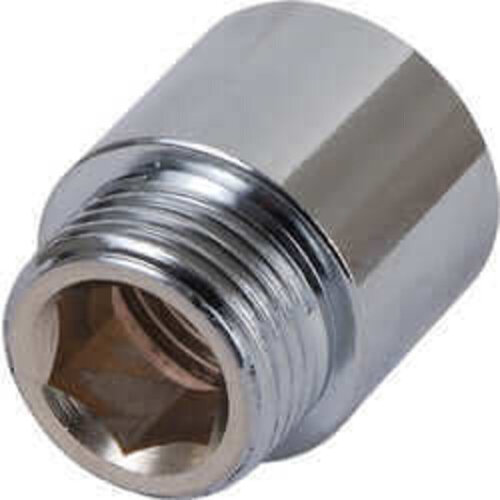
Radiator Valve Extension - 100mm
100mm chrome brass radiator valve extension
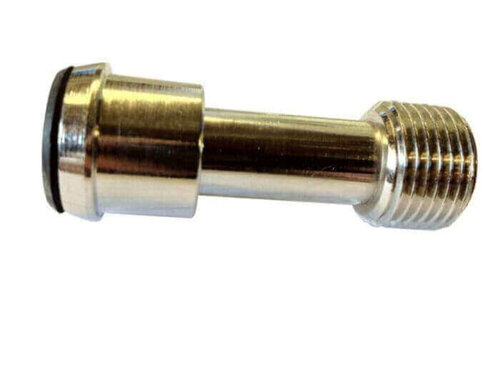
Radiator Valve Extension Adjustable - 15mm to 20mm Chrome
Adjustable chrome radiator valve extension, 15-20mm, adds 40mm length
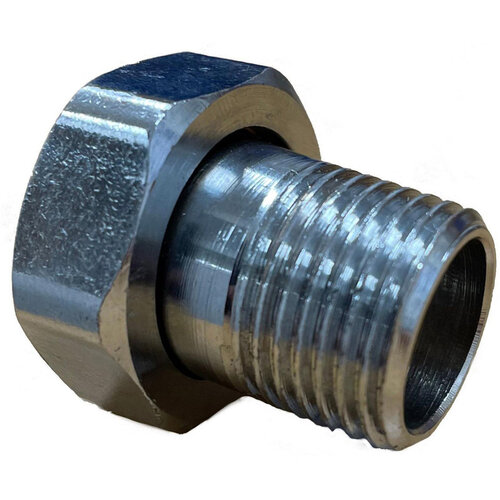
Radiator Valve Replacement Tail - 3/4" Union x 1/2"
Chrome-plated replacement tail for 3/4-inch union radiator valves
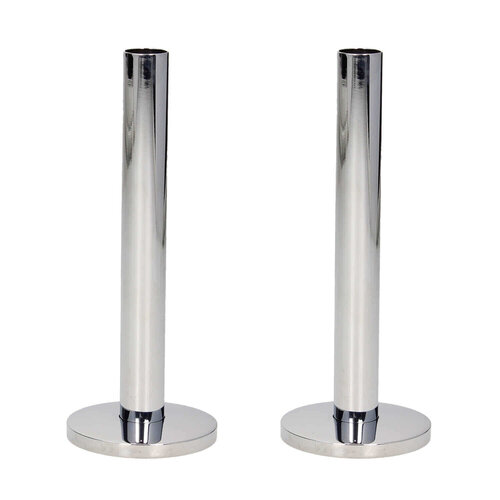
BI-World Pipe Tails and Decoration Floor Plates - 15mm x 130mm Chrome Pair
Chrome pipe tails and floor plates replacing copper pipework at radiator valves
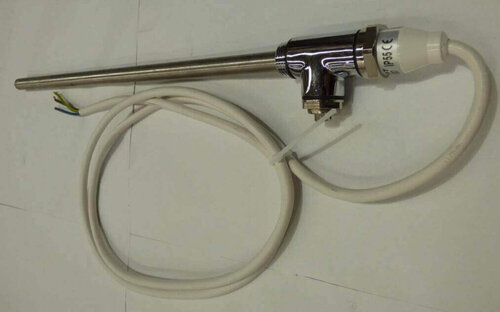
Stelrad Ladder Towel Warmer Type B
615W electric heating element for Stelrad towel rails, 2-year warranty
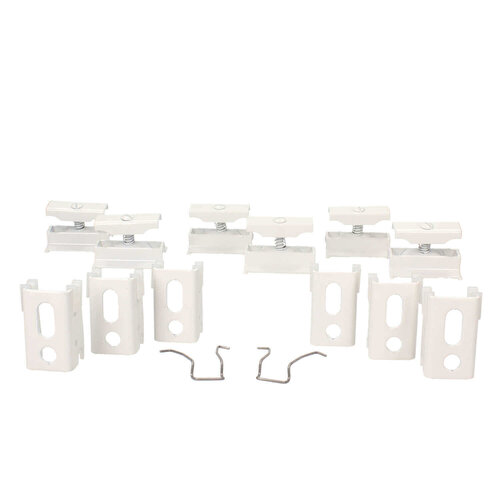
Revive Radiators Spare Column Radiator Wall Mounting Brackets - White 6 Pack
Spare set of 6 white steel wall mounting brackets for Revive column radiators
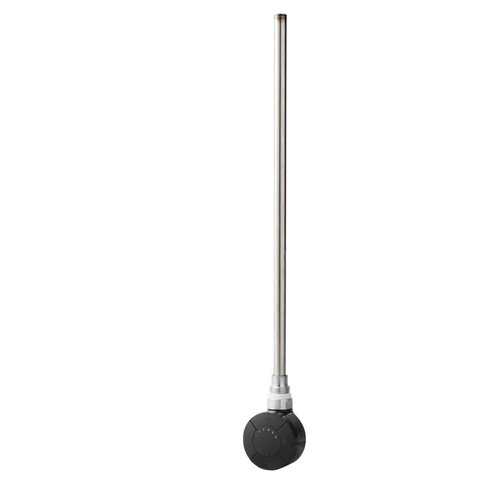
Iflo Thermostatic Towel Radiator Element - 300W Black
Thermostatic 300W black element for towel radiators
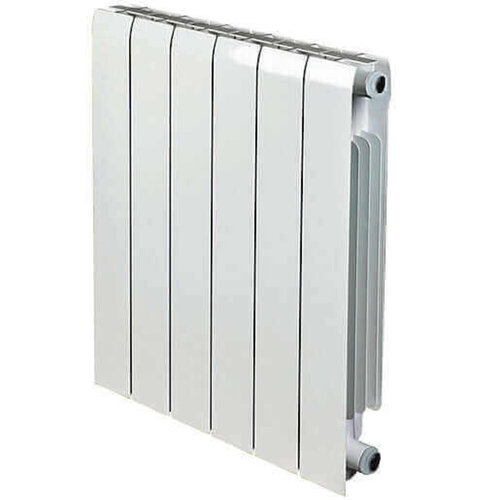
Grant Afinia Wall Bracket for 430mm Single Section - 480mm
Wall bracket for Grant Afinia 430mm single section radiator
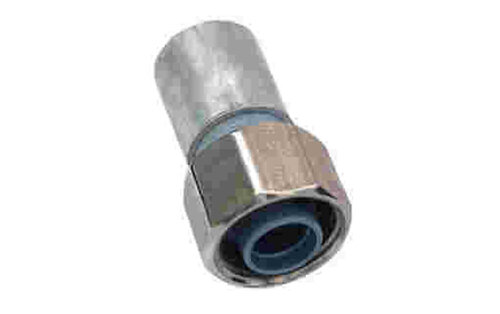
Buteline Radiator Valve Connector - 1/2" BSP x 16mm Chrome
Chrome radiator valve connector, 1/2 inch BSP x 16mm, by Buteline.
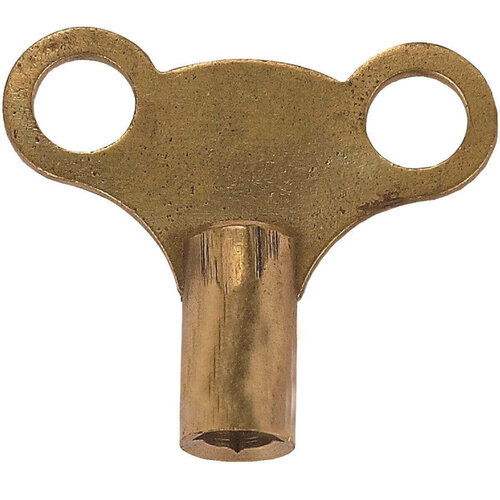
Select Hardware Bonus Bag Radiator Key
Radiator key for bleeding air from central heating radiators
For the Trade
Start with the space you’ve got and how the unit’s being used. That usually decides the parts before finish does. Tight wall space, awkward pipe runs, or a floor-standing job will push you towards different radiator parts and accessories. That is where radiator brackets, radiator feet, and radiator pipe sleeves stop being add-ons and become the bits that make the job fit properly. If you’re replacing tired parts, radiator spares and fittings are usually the quicker route. If the layout has changed, check what supports and trims are doing the work, not just what matches the old one.
Popular Radiator Parts & Accessory Formats
When you’re picking radiator parts and accessories, the first split is usually between fixing, finishing and servicing. Radiator brackets and radiator wall brackets are the ones you use when the unit needs proper support and the existing fixings are wrong, missing or not worth trusting. The trade-off is that you need the right wall and radiator type to suit them.
Radiator feet make more sense where floor support is part of the job. Radiator pipe sleeves tidy the pipework where it comes through. For quick maintenance, a radiator bleed key is the small item that saves a call-back. If you’re matching the full range, Radiators is the place to check before you order the extras.
Key Differences When Choosing
The main question is what the unit needs to do on this job. If you are replacing tired fixings or sorting a damaged install, radiator parts and accessories let you buy only what is missing instead of changing the whole setup.
Use radiator brackets or radiator wall brackets where the load and fixing points need checking. Go with radiator feet where the unit has to stand off the wall or sit on the floor. Use radiator pipe sleeves or other radiator fittings when the pipework needs a cleaner finish. A radiator bleed key is the small one people forget until they need it, so it is worth keeping on the van.
If the job also needs a neater finish around the unit, Radiator Covers are the next decision. If you are trying to reduce heat loss behind it, Radiator Foil is the one to look at.
Next Decisions After Choosing
Once the main item’s chosen, the next call is usually the finish around it.
If the pipework is on show, you move into radiator pipe sleeves and the right radiator fittings. If the unit needs a cleaner face in the room, radiator covers are the separate buy. They change the job more than most people expect, because access and heat output both come into it.
On older installs or awkward wall finishes, radiator parts and accessories are often picked to sort the details that cause callbacks - loose fixings, exposed pipes, or a poor visual line.
Related searches
Local availability for Radiator Parts & Accessories













