Radiator Valves
Radiator valves usually come down to three checks: the pipe run, the control you want, and the finish you’re matching. Angled, straight and corner patterns keep the pipework honest, while thermostatic radiator valves suit rooms where you want the radiator to regulate itself and manual valves are the simpler call where control is less of a priority. Chrome, black and brass finishes are mostly about the look, but the wrong orientation or body style is what causes the headache on site.
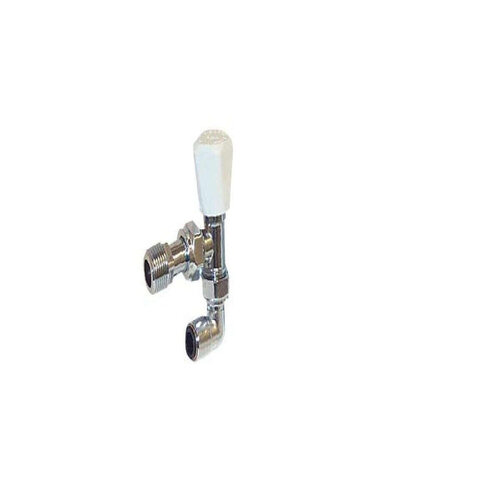
Pegler Yorkshire Mercia Angle Lockshield with Elbow - 15mm x 10mm
15mm angle lockshield valve with elbow in chrome finish
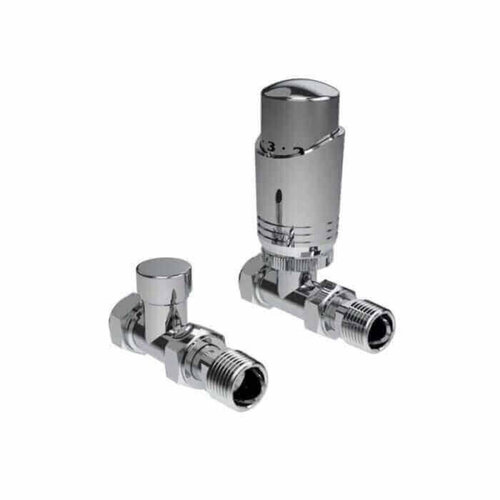
K-RAD Designer Thermostatic Radiator Valve Straight - Chrome 2 Pack
Straight thermostatic radiator valve twin pack, chrome finish, 6 heat settings
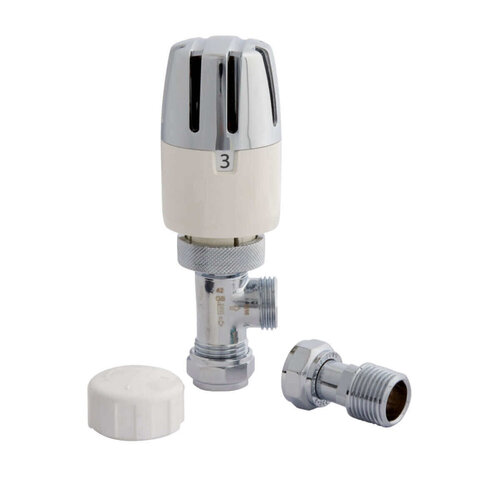
Bossmix Supreme Plus Thermostatic Radiator Valve and Lockshield Pack
15mm TRV & lockshield, EN215, adjustable 11–29°C
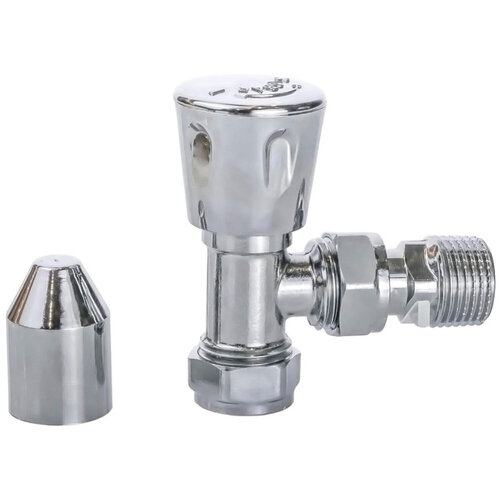
Flume Angled Manual Radiator Valve - 15mm x 1/2" Chrome
Angled manual radiator valve in chrome, pack of 40
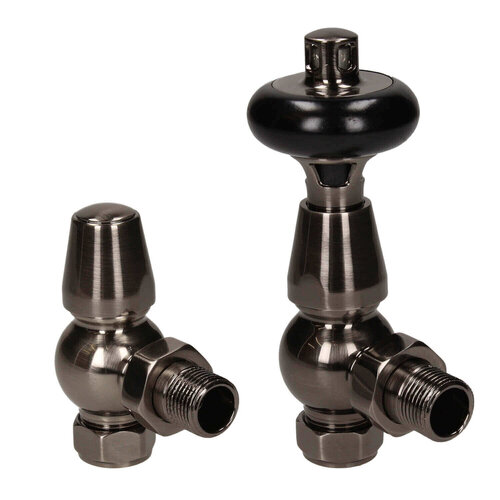
Charles Bentley Bold TRV & Lockshield Valve Set - 15mm Black Nickel
Angled TRV and lockshield valve set in black nickel, 15mm compression.
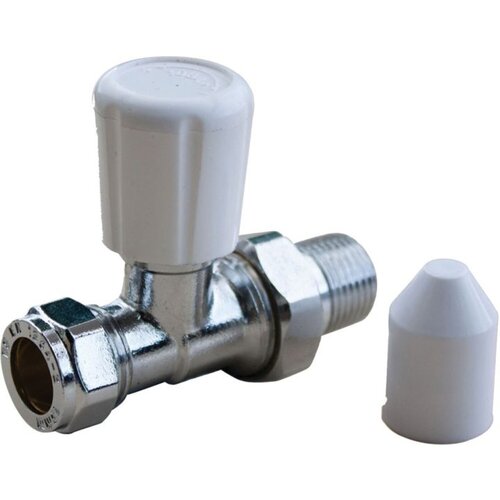
Straight Radiator Valve with Caps - 10mm x 1/2"
Straight chrome-plated brass radiator valve with white cap
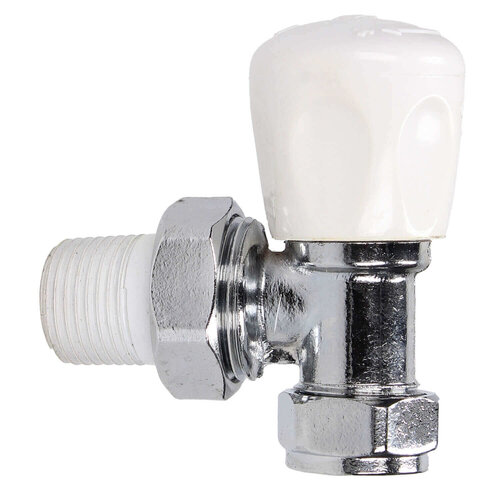
BI-World Evolve Double Packing Gland PTFE Tail Angled Wheel Head Valve - 15mm
Manual 15mm angled radiator valve with chrome-plated brass body and PTFE tail.
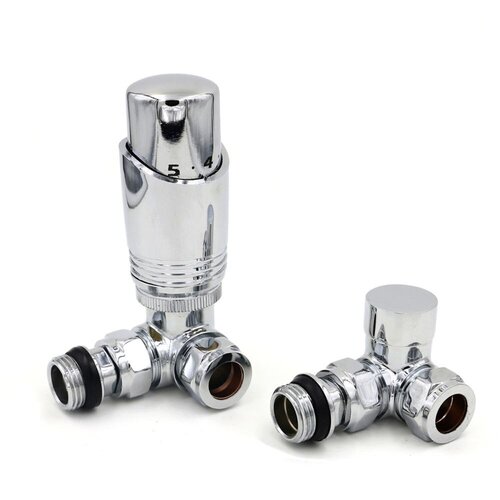
Eucotherm Deluxe Thermostatic Radiator Valve & Lockshield Pack Corner - Chrome
Corner TRV and lockshield pack, chrome finish.
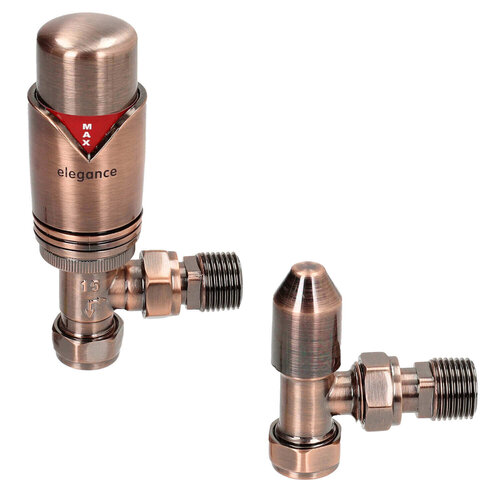
BI-World Elegance Wave TRV & Lockshield - 15mm Antique Copper Twin Pack
15mm antique copper TRV and lockshield twin pack
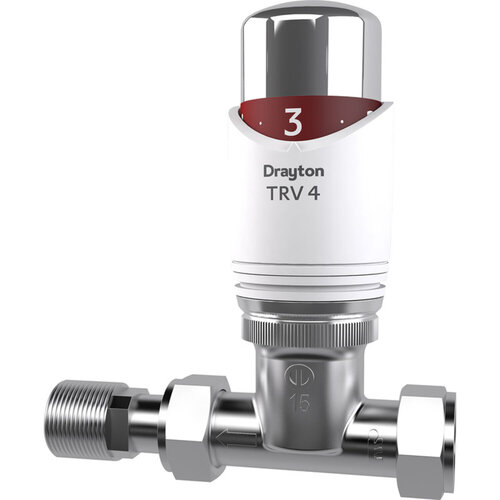
Drayton TRV4 Classic Thermostatic Radiator Valve - 15mm Straight
15mm straight thermostatic radiator valve, brass, EN 215 Class I
For the Trade
Start with the pipework and the control you actually need. Then worry about the finish if it’s on show. On a straight run, you’ll usually want radiator valves that keep the pipework tidy without extra bends. Exposed work is different. The finish matters more because a poor match stands out straight away. Thermostatic radiator valves make sense where you want room-by-room control. A manual valve is still the cheaper, simpler call where the setting won’t be touched much. Most jobs go wrong when the valve type is picked before the pipe route or the radiator position.
Popular Radiator Valve Formats
Thermostatic radiator valves are the usual pick when you want the radiator to react on its own. Manual radiator valves keep things simpler where the setting stays fixed.
After that, look at the pipe route. Angled radiator valves usually keep the run neat. Straight radiator valves suit a direct connection along a standard wall run, though they can leave an awkward bit of space. Corner radiator valves work where the pipe comes in at an angle and make better use of tighter floor space, but they need a wider corner footprint. Lockshield radiator valves are for balancing the system, so you normally match them to the rest rather than treat them as an afterthought.
If you’re cross-checking the rest of the system, start with Radiators.
Key Differences When Choosing
Material is where you narrow it down. Brass radiator valves are usually the pick when you want more weight in the hand and a solid feel on exposed work. They do add cost, so they can be overkill on a plain utility job.
Lighter finishes are easier to handle and often quicker to fit on site, but they may not suit the look you need. Where the valve sits with visible pipework, finish matters as much as fit. Chrome or black can tidy the job. A basic valve is the sensible call where it’ll be hidden.
If you’re also sorting the room around the radiator, Radiator Covers and Radiator Foil are the next buys when the spec calls for them.
Next Decisions After Choosing
Once you’ve picked the radiator valves, the next call is usually what’s going around them. If the pipework and valve bodies stay visible, radiator covers and a clean wall finish matter more than people think. A tidy valve still looks wrong against a rough patch or a cover that leaves the pipework awkwardly exposed.
Where the room needs to hold heat a bit better, radiator foil is the simple add-on that gets specified at the same time. It’s the sort of thing that gets missed on a rushed job, then comes back on the next one.
Local availability for Radiator Valves














