Towel Radiators
Towel radiators usually come down to three calls: heat output, finish, and how you’re feeding it. Chrome still goes in a lot where the bathroom spec wants a cleaner look, while white is the quieter option and black suits darker fittings. If you need heat on a timer or away from the main system, an electric towel radiator makes more sense than a plumbed rail. Size it for the room as well as the towels, or you can end up short on heat.
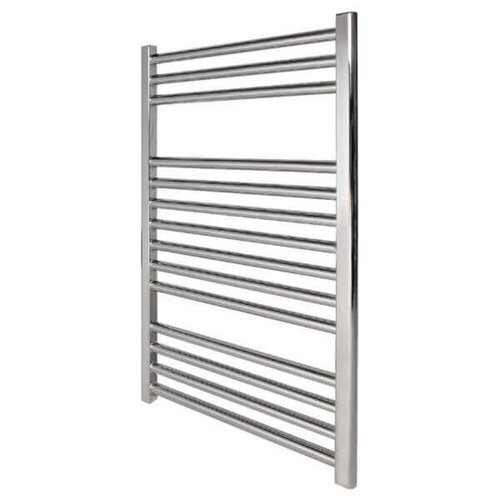
Revive Radiators Straight Towel Warmer - 800mm H x 500mm W Chrome
Chrome ladder-style towel warmer, 800x500mm, 744 Btu, dual energy ready
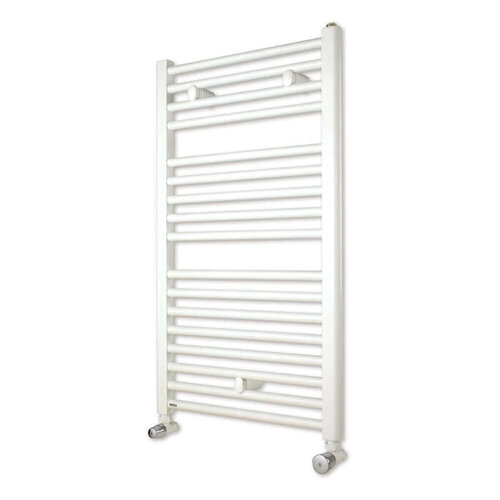
Myson Avonmore Multi-Rail Towel Warmer - White 1.807m x 600mm
White multi-rail towel warmer, 1807 x 600mm, 10-year guarantee
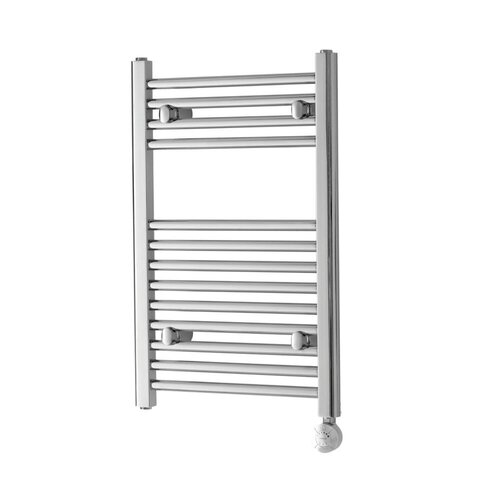
iflo Cerro Thermostatic Towel Radiator - 691mm x 450mm Chrome
iflo Cerro thermostatic electric towel radiator, 691mm x 450mm, chrome
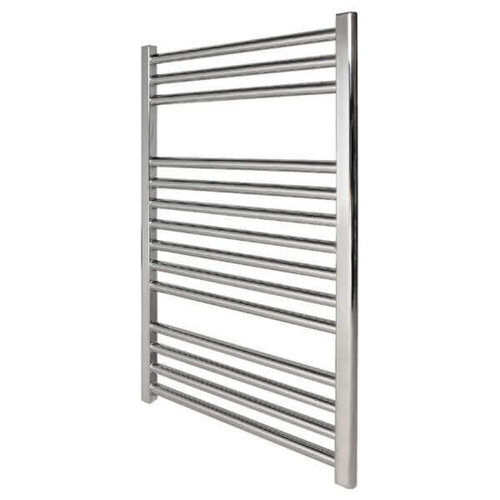
Revive Radiators Straight Towel Warmer - 1800mm x 500mm Chrome
Chrome straight towel warmer, 1800mm x 500mm, 1652 BTU
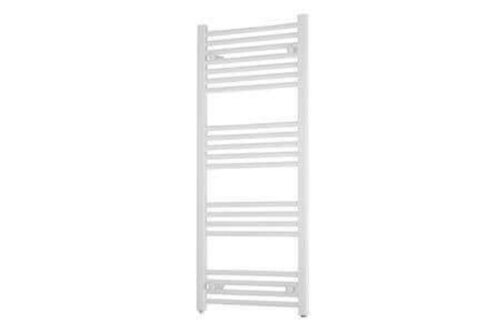
Towelrads Independent Towel Radiator - 1200mm x 500mm White
1200x500mm white steel towel radiator, dual fuel compatible, tested to 13 bar.
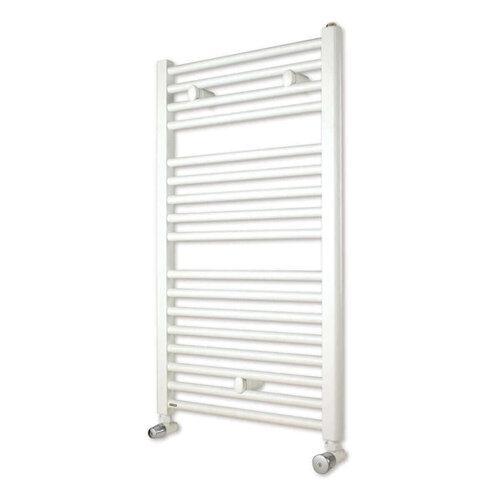
Myson Avonmore Multi-Rail Towel Warmer - White 862mm x 500mm
Traditional multi-rail towel warmer in white, 862 x 500 millimetres, dual fuel c…
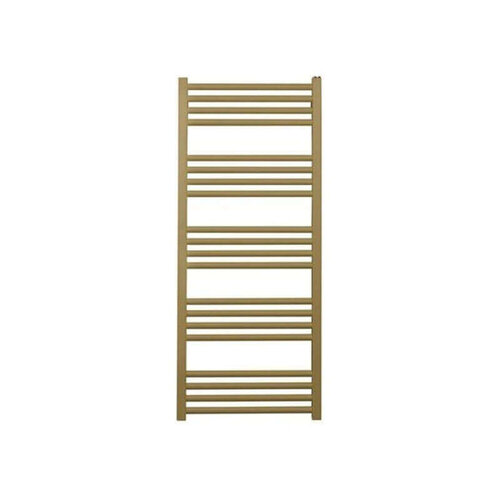
Crosswater Mpro Towel Warmer - 1140mm x 480mm Brushed Brass
Brushed brass towel warmer, 1140mm x 480mm, dual element compatible.
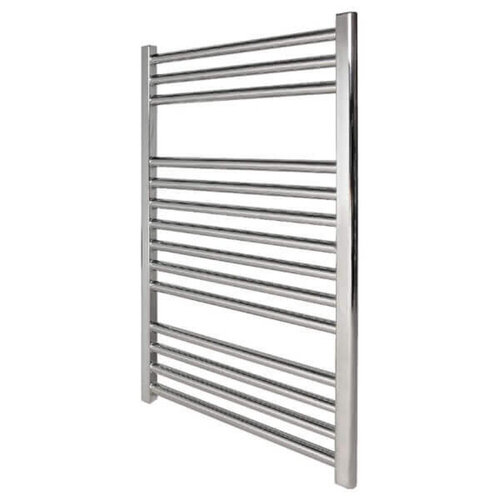
Revive Radiators Straight Towel Warmer - 800mm x 600mm Chrome
800mm x 600mm chrome straight towel warmer / radiator, 881 BTU
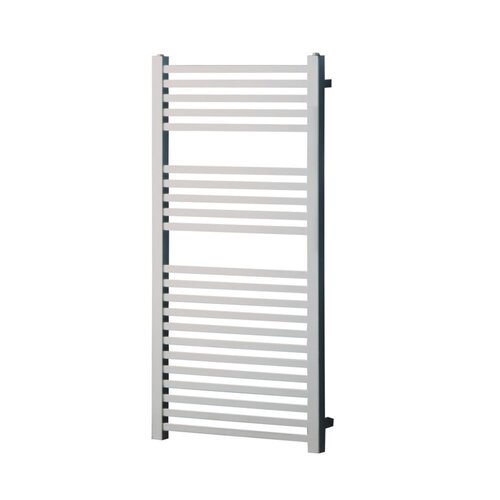
Iflo Tenaga Premium Ladder Rail - 1200mm x 450mm Chrome
Designer towel radiator, 1200x450mm, chrome, square bars
Vitellio Straight White Towel Rail - 800mm x 400mm White
White straight towel rail 800mm x 400mm with 5-year guarantee
For the Trade
Start with the space you’ve actually got and how the unit’s going to be used. That usually rules out half the options before you get near finish or style. In a tight bathroom, a slimmer towel radiator with sensible projection matters more than a bigger frame that crowds the room. If it’s doing more than towel drying, look harder at output and how quickly it recovers after use. Electric towel radiator choices make sense where you want independent control. Plumbed versions suit a heating circuit that’s already carrying the load. The jobs that come back are usually the ones where the layout was guessed first and the product came second.
Types of Towel Radiators
A towel rail radiator is usually picked on layout first, not looks. Straight ladder styles suit standard bathrooms where you need a simple rail and a bit of heat. Wider or taller versions make more sense when you need to cover more wall and dry more towels at once.
If the job needs quicker control away from the main heating, an electric towel radiator is the cleaner call. Tied into the heating circuit, you lose that flexibility but keep the spec simpler. A dual-fuel towel radiator sits between the two, which helps on refurb work where the heating schedule is not fixed. If you’re comparing it with other Radiators, the main question is how much wall you can spare and whether the rail needs to work year-round.
Selection Factors for Towel Radiators
Most towel radiators come down to three things: wall space, finish, and how the unit will run.
Chrome still works where the rest of the brassware is bright. White is the quieter choice. Black suits darker fittings without looking forced.
Electric models suit jobs where you want separate control. The trade-off is losing the simplicity of a straight wet connection.
If you’re finishing the room, Radiator Covers are the next call. If the wall behind the unit is cold, Radiator Foil is worth sorting at the same time.
Finish the Room
Once you’ve picked the towel radiators, the next call is what’s going around them. If the wall finish is staying exposed, set the fixing points and pipework before second fix. That’s where time goes when you end up chasing a finished surface.
If the rail sits close to a bath or shower, a screen or panel matters more than another decorative detail. Radiator covers only work when you’ve got the depth and can live with the drop in output. On colder external walls, radiator foil can help, but it won’t make up for a poor position or an undersized unit.
Related searches
Local availability for Towel Radiators







