Radiators
When you’re choosing radiators, start with output, size and how much wall space you’ve actually got. That narrows the options fast. Standard panels suit straightforward replacements and keep costs sensible. Slimmer or vertical radiator types make more sense where the room is tight or the existing layout won’t give you much width. Trade radiators with a deeper build can give you more heat, but they also take more room and can be awkward if the pipework is fixed.
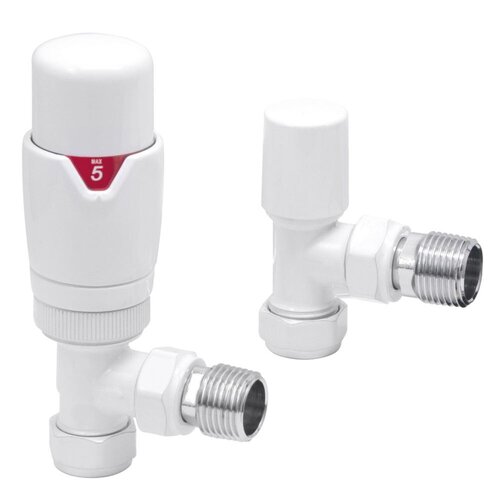
Plumbright Thermostatic TRV Round Angled Radiator Valve & Lockshield - White
White angled thermostatic radiator valve and lockshield set, brass construction
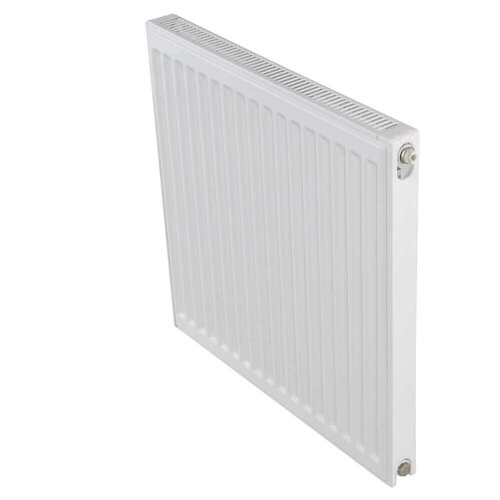
Revive Radiators Revive2 Single Panel Single Convector K1 Compact Radiator - 600…
K1 compact radiator 600x3000mm, single panel single convector, 9905 BTU, 10-year…
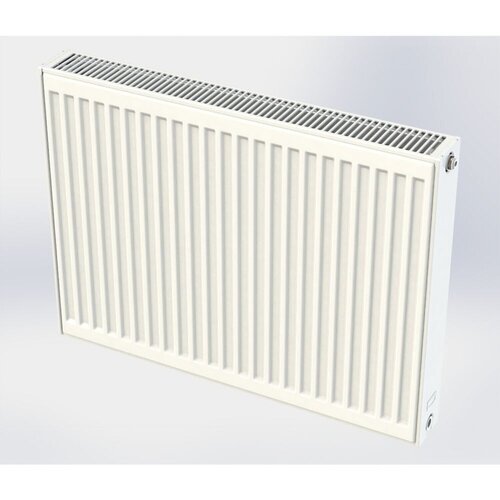
Purmo Compact 22 - 750mm x 1100mm
Radiator 750x1100mm, 33mm profile with convector fins for high heat output
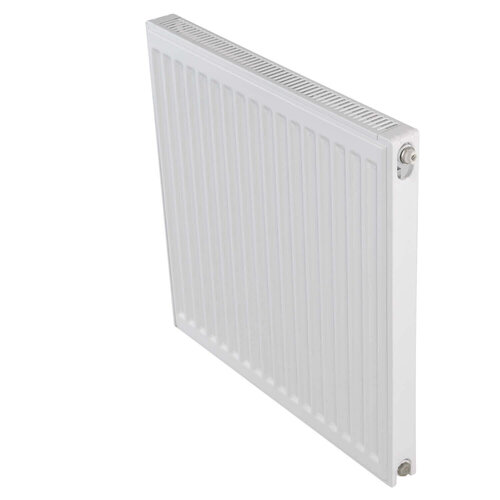
Revive Radiators Revive2 K1 Compact Radiator - 400mm x 900mm
400mm x 900mm K1 compact radiator with 2077 Btu output and 10-year guarantee
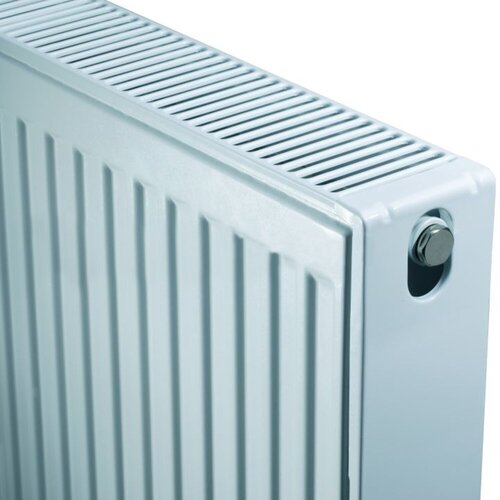
Type 22 Double Radiator - 500 x 1200mm 6409 BTU
Type 22 double panel convector radiator, 500 x 1200mm, 6409 BTU, white enamel fi…
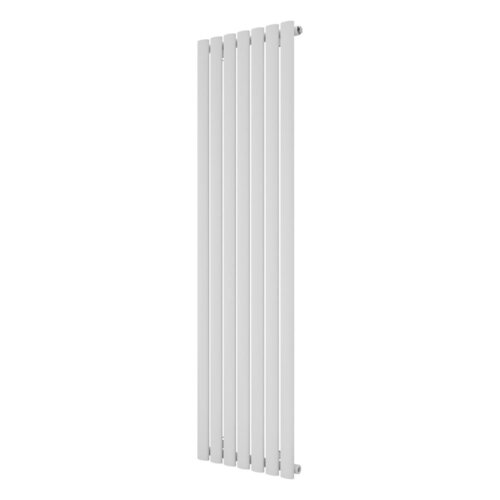
Plumbright Pearl Vertical Oval Tube Designer Radiator - 1500mm x 410mm White
White vertical oval tube designer radiator, 1500x410mm, with 10-year warranty
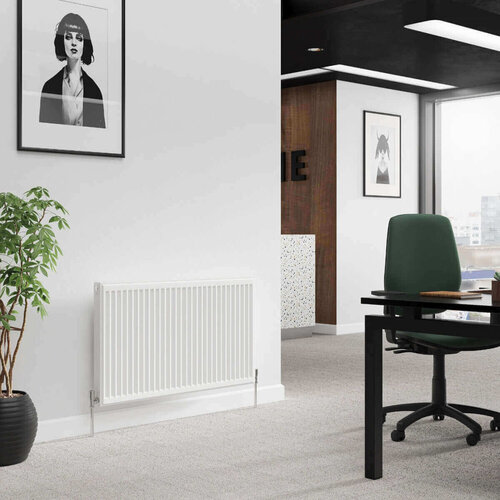
Stelrad Compact P+ DP Plus Radiator - 300 x 1000mm
Type 21 radiator 300 x 1000mm, BS EN 442 tested
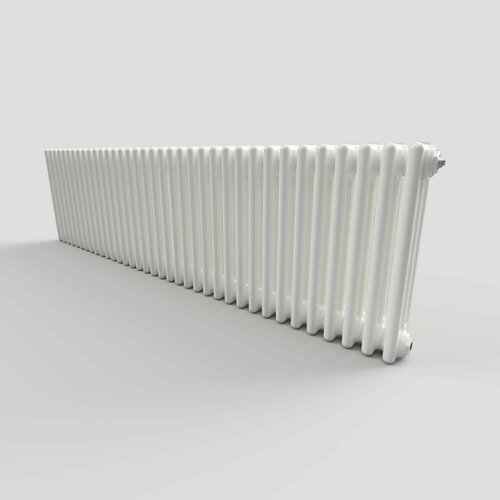
Revive Radiators 3 Column Horizontal Radiator - 450mm x 1686mm White
White 3-column horizontal radiator, 450mm x 1686mm, 5749 Btu
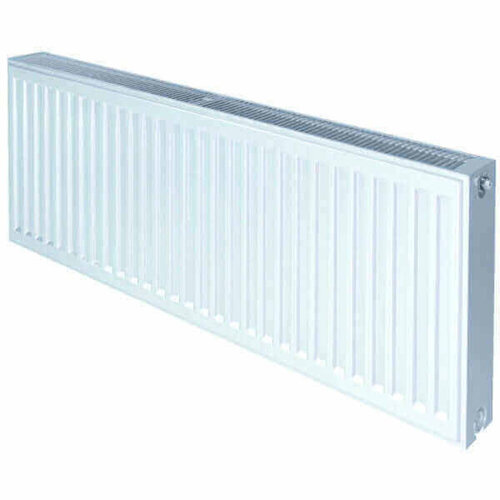
Prorad Radiator Double Convector No22 - 300 x 2000mm 6708BTU
Prorad Type 22 compact radiator, 300x2000mm, 6708BTU
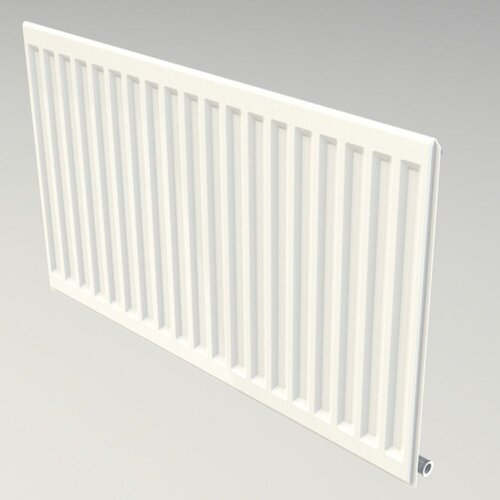
Myson Premier Round Top Single Convector Radiator
Traditional round-top single convector radiator
For the Trade
Start with the space you’ve got and how the room will be used. That narrows the choice fast. On a straight replacement, you’ll usually stay close to the existing size and connection points. On a refit, you’ve got more room to look at output, projection and how much wall you want back. Finishes and accessories come after that. If you’re comparing radiators across Plumbing & Heating, it usually comes down to fit, heat demand and how much adjustment the pipework will take. Most call-backs start with a good-looking choice that didn’t suit the layout.
Aluminium Radiators
Aluminium radiators usually get the nod when you want a quicker response and less weight on the wall. That helps on refits where handling matters.
They suit jobs that need a neater, lighter fit without a deeper body. They are not the first pick when you want maximum stored heat from a bulkier unit.
So you are balancing heat-up speed against the extra mass and output you get from heavier Aluminium Radiators siblings. If pipe positions are fixed and access is tight, that lighter build can save hassle.
Cast Iron Radiators
Cast iron is the one you pick when the job needs weight, heat retention and a more traditional look, not a quick-response panel. It suits older properties and feature rooms where the radiator has to do more than heat the space.
The trade-off is straightforward. They are heavier to handle, slower to warm up and you need to know the wall and fixings can take the load. If you want something lighter and quicker to react, aluminium is the easier fit, but Cast Iron Radiators are the choice when mass and presence matter.
Central Heating Radiators
For most jobs, you narrow radiators by output, width and how much wall you can spare, not by looks alone. A straight swap usually keeps you close to the existing size and connection points. A refit gives you more room to move on radiator sizes and finish.
Central Heating Radiators is the line you’d point a customer to when they want the standard choice for wet systems and you’re matching the rest of the heating run. The usual mistake is buying on appearance first, then finding the output or pipe centres do not suit the job.
Column Radiators
Column radiators suit jobs where you need more output from the wall than a flat panel can give you, or where the look matters as much as the heat. They take up more depth, so you need to be happy with the projection and the pipework position. That extra build is what gives them their higher output and traditional look.
For an older property or a room with character, they often make more sense than a plain radiator. If space is tight, or you want the slimmest face possible, a flatter radiator type is the better shout.
Designer Radiators
Designer radiators are the ones you pick when the finish matters as much as the heat output. You’re usually weighing up a cleaner look, a more visible feature piece, or a model that gives you more output without changing the room layout.
The trade-off is straightforward. A neater profile can be less forgiving on output and pipe position, so check the size against the job rather than just the style. They suit jobs where you need something sharper than a standard panel, but it still has to do the work.
Electric Radiators
Electric radiators usually come into play when there’s no wet system to tie into, or when you need heat in one room without touching the rest of the job. The first question is whether you want a quick local fix or a full-room answer, because that changes the size, output and control you need.
They suit jobs where pipework would be awkward. You avoid the plumbing side, but you give up the simplicity of a standard wet connection. If you’re comparing radiator types for a retrofit, that trade-off matters.
Choosing Materials and Size
Size and output come first. Wall space and pipe positions usually decide the rest. If you’re working to an existing wet system, keep the replacement close to what’s already there and use Central Heating when the job needs the same circuit and controls.
Go bigger only when you’ve got the room and the pipework will allow it. A deeper or wider unit gives you more output, but it is harder to place neatly. Lighter radiators are easier on a quick swap. Heavier styles make more sense where the look or heat retention justifies the extra effort.
Completing the Setup
Once the radiator’s chosen, the next call is the finish around it and anything that affects the space beside it. If you’re boxing in a pipe run or covering a rough patch, panels and screens tidy the job without changing the heating spec.
Storage and furniture matter when the radiator sits in a tight room. Poor placement gets in the way of access and cleaning. In bathrooms, towel warmers often become the next decision. Wall finishes and trims need to work with the heat source, not against it.
Related searches
Local availability for Radiators
















