Air Vents
Air vents come down to where they’re going, how much air you need to move, and the finish you want left visible. Ceiling air vents and wall air vents suit different layouts, while round air vents are often the easier fit where the opening is already there. Plastic air vents are usually the economical pick for ordinary internal work, while metal air vents suit faces that need a firmer finish or more wear resistance.
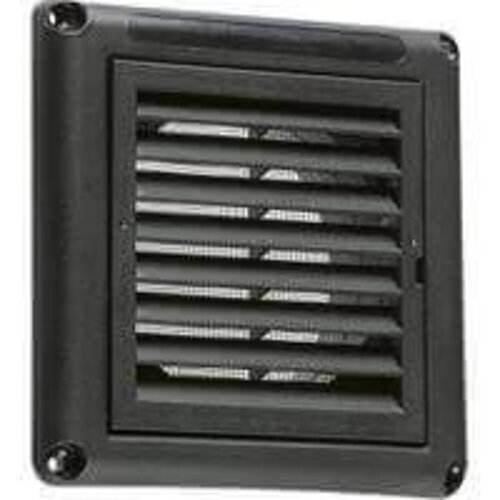
Knightsbridge Extractor Fan Grille with Fly Screen - 100mm Black
Extractor fan grille with fly screen, 100mm, black
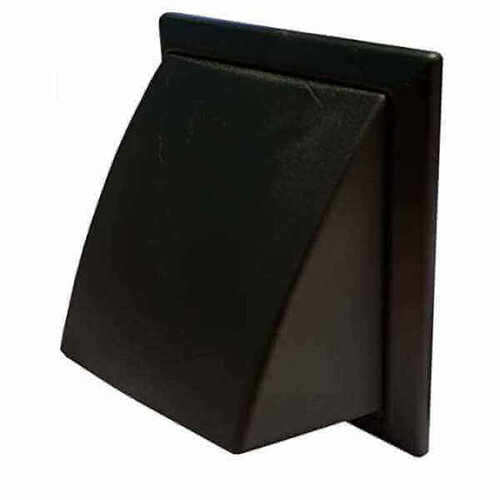
Polypipe Domus Outlet Cowelled - 100mm Black
100mm black cowelled outlet, Polypipe Domus, 155x155x100mm
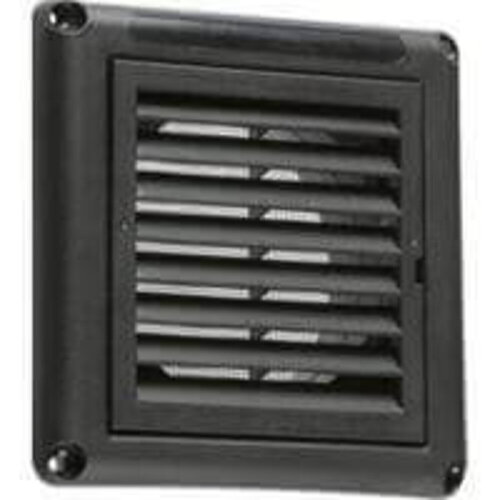
Domus Easipipe Rigid Duct Outlet Louvered Grille with Flyscreen - 100mm Black
100mm black louvered duct outlet grille with flyscreen
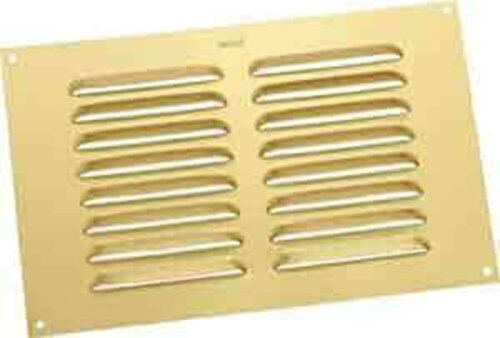
Louvre Surface Vent - 152mm x 229mm (6" x 9") Gold
152 x 229mm gold louvre surface vent for wall ventilation
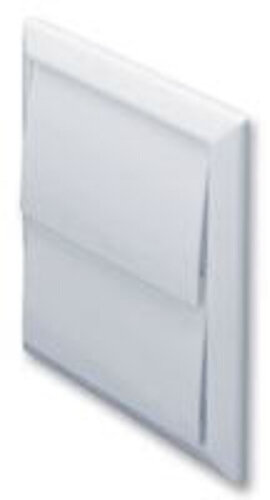
Domus Wall Outlet with Gravity Shutter - 140mm x 140mm Fits 100mm Ducting White
White wall outlet with gravity shutter, 140x140mm, fits 100mm ducting
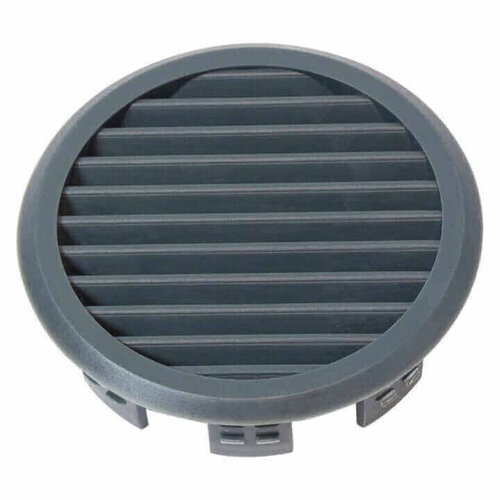
Circular Soffit Ventilator CSV - Black
Black circular soffit ventilator, model CSV
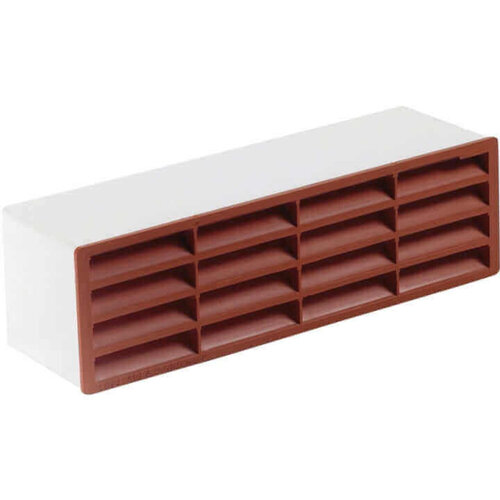
Manrose Slimline Airbrick - 204mm x 60mm
Slimline airbrick for ventilation, 204mm x 60mm
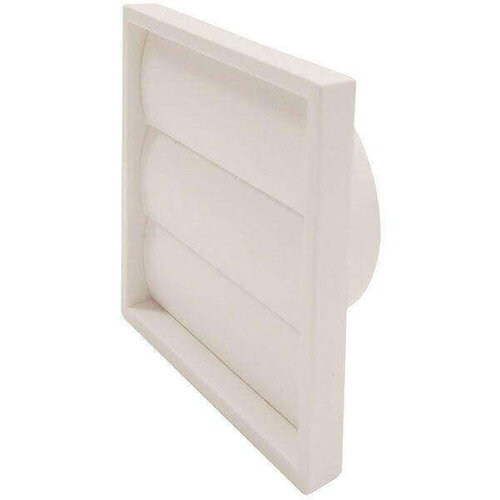
Manrose Gravity Grille - 150mm white
External gravity grille, white, 150mm, with gravity flaps to avoid back draft.
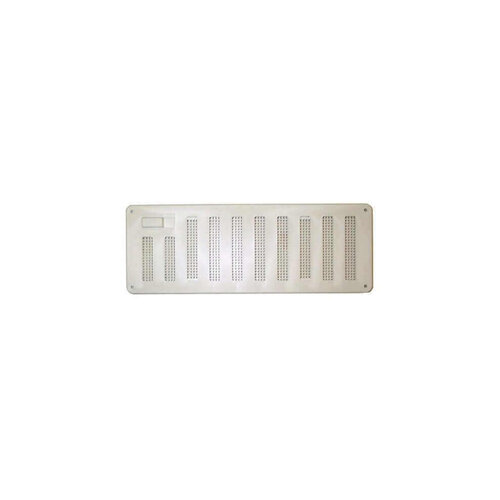
Stadium Plastic Hit and Miss Ventilator with Integral Flyscreen - 9 1/2" x 3 1/2…
White 9 1/2" x 3 1/2" hit and miss ventilator with integral flyscreen
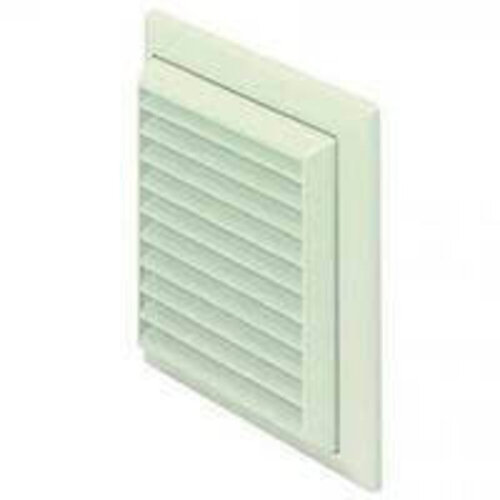
Domus Easipipe Rigid Duct Outlet Louvered Grille with Flyscreen - 125mm White
125mm white louvered duct outlet grille with flyscreen, 155x155mm
For the Trade
What usually decides it is where the opening sits, how much of the grille you want visible, and whether the job needs a flush internal finish or a tougher external face. If the opening is already formed, that pushes you towards a size and shape that drops in cleanly; if the layout is tight, the profile matters more than the finish. For exposed positions, you want a piece that stands up to knocks and weathering, not just one that looks neat on the counter. That is the practical difference when you are choosing air vents for the job.
Types of Air Vents
If the opening is already there, round air vents usually save you the most grief because they match existing cut-outs and keep the job moving. Square or wall air vents make more sense when you’re starting from scratch and want a cleaner line across a run, though they’re less forgiving if the setting-out is off.
Ceiling air vents suit overhead locations where you want the face out of the way. Louvre air vents are the better pick when you need a more directional finish. Adjustable air vents give you more control, but you give up a bit of simplicity, and they’re not always the first choice for a plain fixed opening. If you’re working through the rest of the Ventilation range, layout usually decides the product.
Selection Factors for Air Vents
Material is usually the first call. Plastic air vents are lighter and easier to handle, so they suit quick fits where you want a clean finish without extra weight.
Metal air vents make more sense where the grille is likely to take knocks or you want a firmer face. The trade-off is cost, and they can be less forgiving if the opening isn’t spot on.
For a neater visible finish, colour matters too. Black air vents tend to disappear better than white on darker schemes.
If the job is tied into Air Conditioning or Air Purifiers, check the spec before you pick a decorative grille, because the wrong face is the bit that gets changed later.
Finish the Room
Once you’ve picked the air vents, the next call is what finishes the opening and the surrounding face. On a tidy internal job, that might just be a matching vent cover and a clean wall finish. In a plant room or service area, you’re usually thinking more about access, protection and how much of the opening stays visible.
If the vent sits where it’ll get knocked, a deeper grille or a more solid cover helps cut call-backs. If it’s part of a neat visible run, keep the profile simple and the colour consistent with the rest of the fit-out.
Related searches
Local availability for Air Vents














