Ducting
Ducting comes down to the run you’re building. Go rigid for a cleaner line and less movement, or flexible when you need to get round awkward routes without fighting the job. Aluminium ducting suits runs where heat or a lighter build matters. Plastic ducting is the cheaper, easier-handling option for straightforward work. Flat ducting helps where depth is tight, though you give up some airflow compared with a fuller round run.
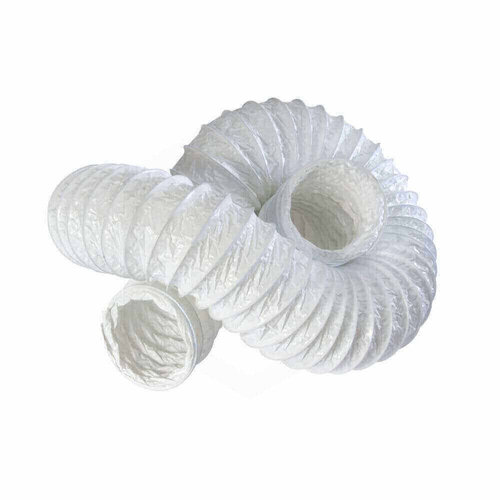
Manrose Flexible PVC Round Ducting - 100mm x 3m
100mm x 3m flexible PVC round ducting for ventilation
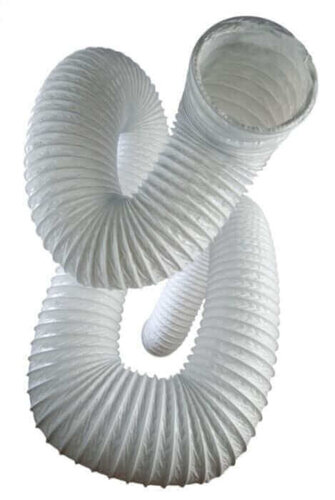
Domus Round Flexible PVC Ducting - 125mm x 6m
Flexible PVC ducting for long kitchen and bathroom ventilation runs, 125mm x 6m
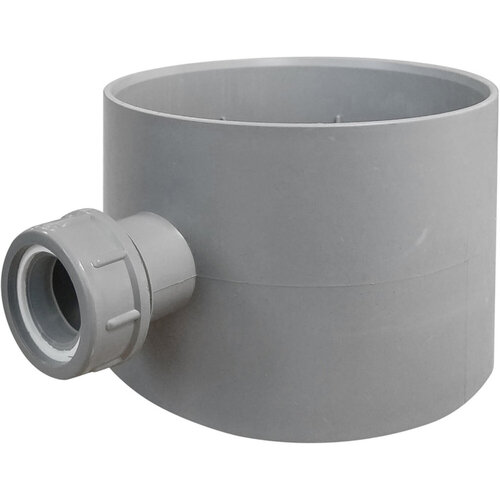
Extractor Fan Condensation Trap with Overflow - 110mm
100mm condensation trap with overflow for 110mm solid ducting
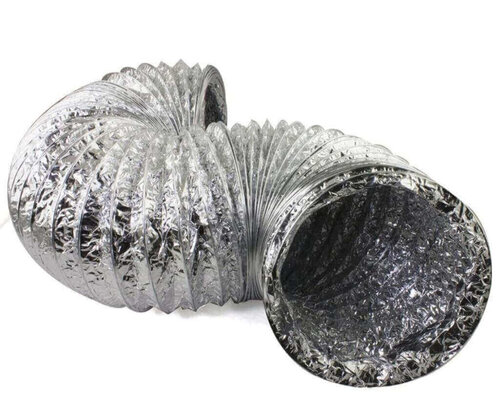
Verplas Aluminium Flexible Ducting - 4" (100mm) x 10m
10m x 100mm flexible aluminium ducting, fire resistant
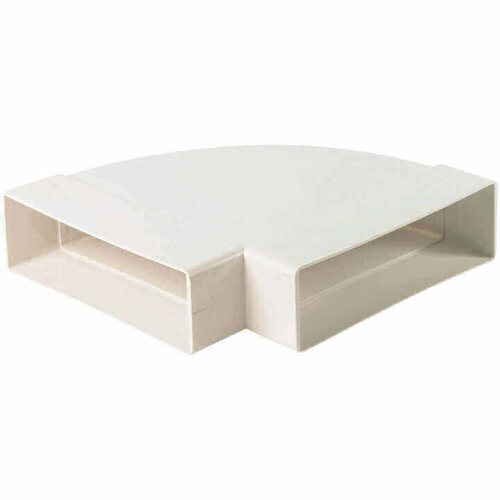
Manrose Flat Channel 90° Bend Horizontal - 204mm x 60mm
Manrose flat channel 90° horizontal bend, 204mm x 60mm
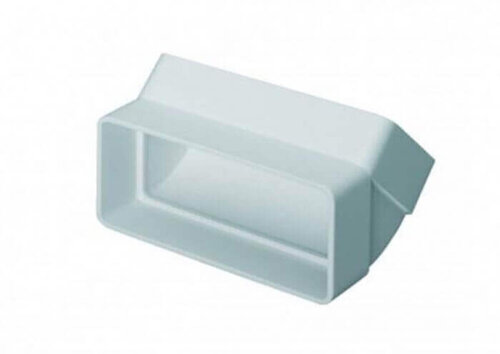
Domus Rectangular Flat Channel Vertical 45° Bend PVC - 110mm x 54mm
110x54mm PVC vertical 45° duct bend, white
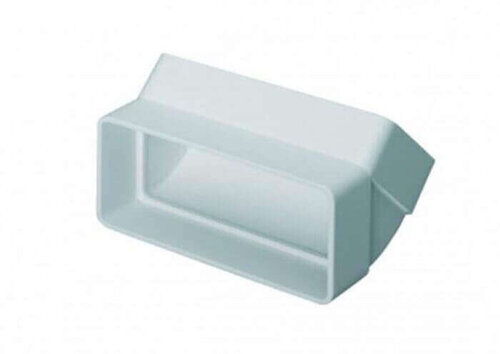
Domus Rectangular Flat Channel Vertical 45° Bend PVC - 204mm x 60mm
uPVC vertical 45° bend for 204mm x 60mm ducting
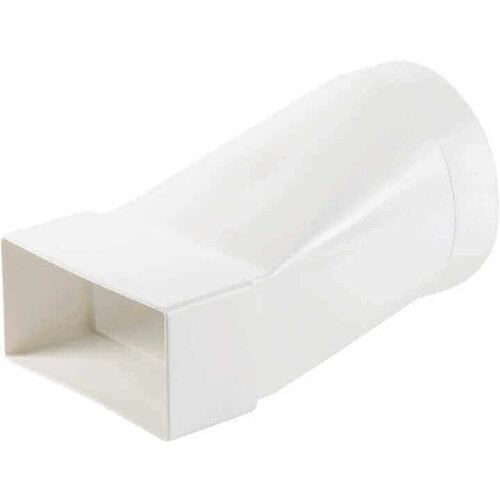
Manrose Flat Channel Connector - 110mm x 54mm to 100mm round
Connects 110mm x 54mm flat ducting to 100mm round ducting.
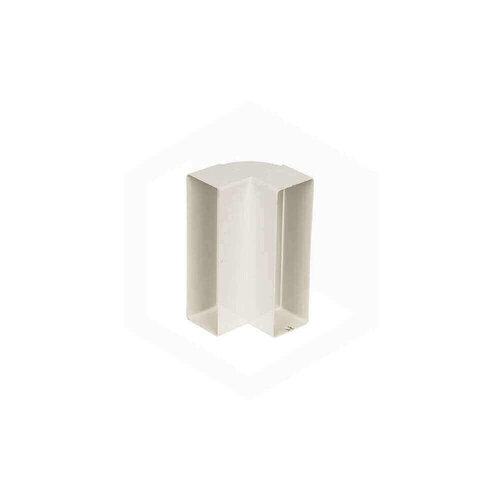
Manrose Flat Ducting Channel Vertical 90° Bend - 100mm
Vertical 90° bend for 100mm flat ducting channel
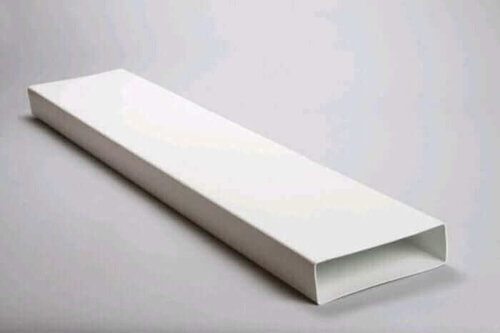
Domus PVC Rectangular Flat Channel Ducting - 220mm x 90mm x 1m
Rectangular PVC ducting 220 millimetres by 90 millimetres, 1 metre, for cooker h…
For the Trade
What usually decides it is the route, the airflow you need to keep, and how much room you’ve got to work with. Long, straight runs need a different answer from short links with a few offsets, and that is where the choice gets made on site rather than on paper. If the run is exposed or likely to get knocked, you usually want something that holds its shape. In a tighter void, movement and access matter more. Aluminium ducting and plastic ducting each get picked for different reasons, but the job still starts with the layout and the space available.
Ducting Options Compared
For most jobs, the choice comes down to route and space. Flexible ducting earns its keep on awkward offsets and short links where you do not want to fight the run, but it is not the best pick when you need a line that stays neat and stable.
Rigid ducting holds its shape better and gives a cleaner result on straight sections. Flat ducting works when the void is tight and height is the problem. Round ducting is the straightforward option for open runs. Oval ducting sits between round and flat when you need less depth without going fully compressed. Insulated ducting is the one to use where condensation or heat loss would cause trouble. If you are working through the wider Ventilation range, the run layout usually decides the product.
Choosing Materials and Size
Material choice usually comes down to handling and how much abuse the run will take. Plastic ducting gives you lighter pieces, quicker handling and a lower-cost line through the job. It can be less forgiving if the run is exposed or likely to get knocked.
Aluminium ducting suits hotter or more demanding runs and gives you a firmer finish. It is less forgiving to handle and can be awkward on tight bends. If the job is tied to Extractor Fans or Fans, the choice often comes down to speed versus a cleaner, tougher run.
Completing the Setup
Once you’ve picked the ducting, the next call is what finishes the run and what the surrounding job needs to stay tidy. Long exposed sections need proper support and a clean termination. Short connections into a hood or grille usually just need the right fittings and a sensible route.
If the run passes through a cold void, insulated ducting avoids nuisance condensation. It does add bulk, so use it where it earns its keep. Keep access in mind too. The neatest duct pipe is no use if you can’t get the rest of the finish in around it.
Related searches
Local availability for Ducting












