Extractor Fans
The first question is where it’s going and how much run you need to clear. A short, direct bathroom fan suits a simple through-wall job, while inline extractor fans make more sense when you want the motor out of the room and can work with more kit in the ceiling void. Timer and humidistat versions are worth the extra if the job needs automatic run-on or moisture control.
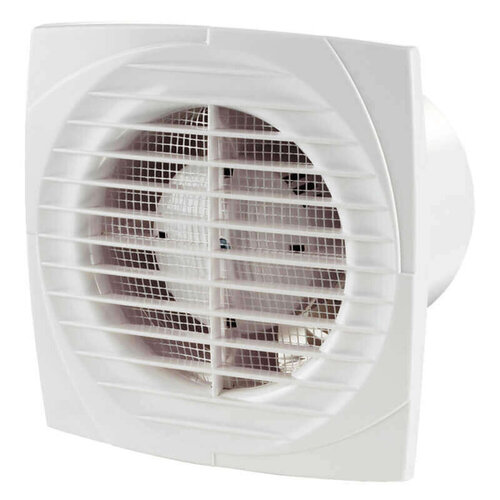
Osily Base Extractor Fan with Timer - 150mm White
White 150mm extractor fan with built-in timer
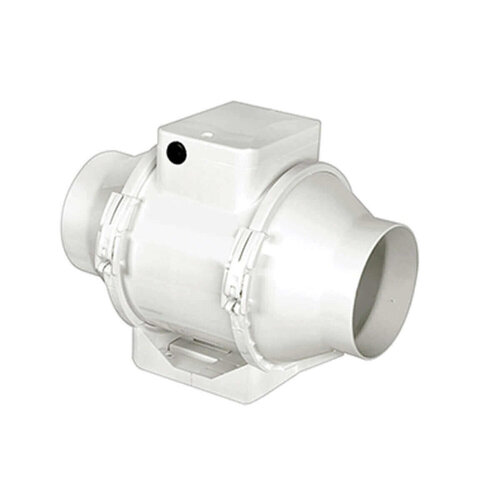
Airflow Aventa Inline Adjustable Timer Fan
Mixed-flow inline fan with adjustable timer, ductable up to 6m
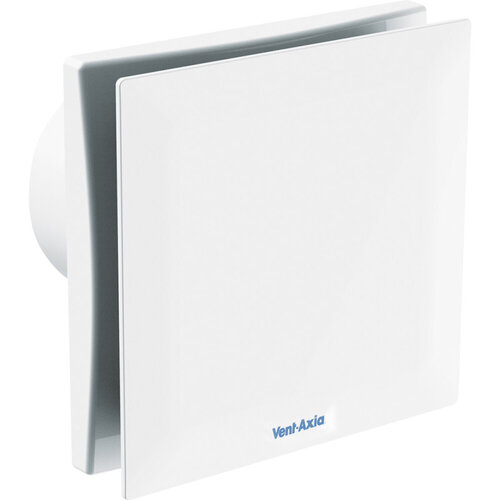
Vent-Axia 100mm Silent Extractor Fan - Humidistat
Ultra-quiet 100mm extractor fan with humidistat and timer
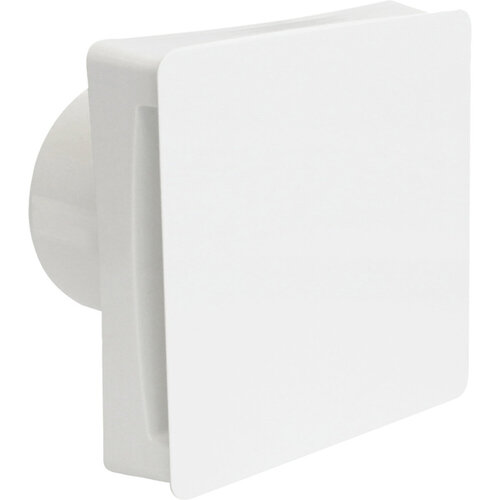
Airvent 100mm Part L Quiet Extractor Fan - Timer
Quiet 100mm extractor fan with timer and IP44 rating for bathrooms and cloakroom…
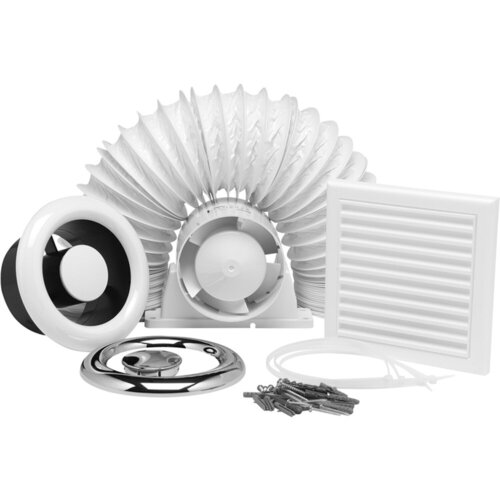
Xpelair 100T Shower Extractor Fan Kit - 100mm
IPX4 inline shower extractor fan kit with 3m duct and timer
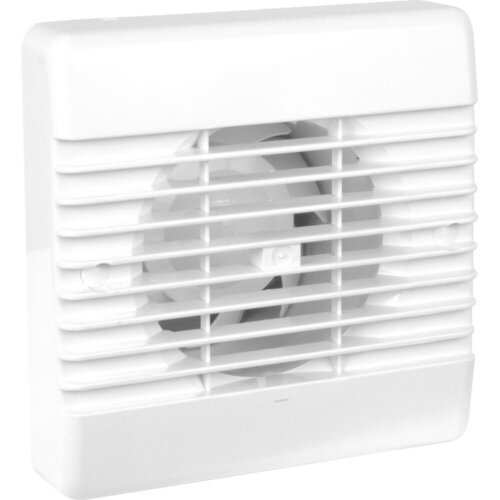
Airvent 100mm Part L Quiet Extractor Fan - Timer
Quiet 100mm extractor fan with timer and IP44 rating for bathrooms and cloakroom…
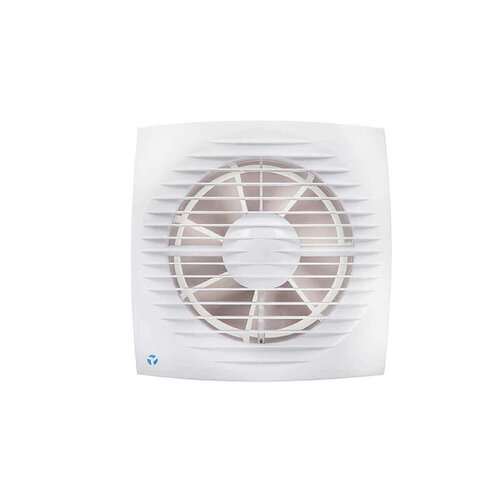
Airflow Aura Adjustable Timer Overrun Extractor Fan
White axial extractor fan with adjustable timer, 70 m³/h, IPX4, 100mm ducting
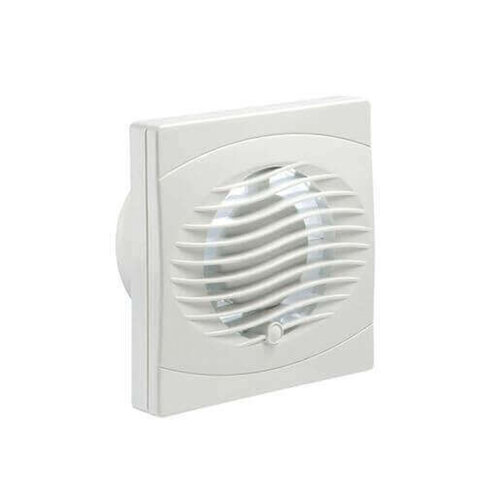
Manrose Standard Extractor Fan - 4"
4-inch axial extractor fan with timer for bathroom and toilet use
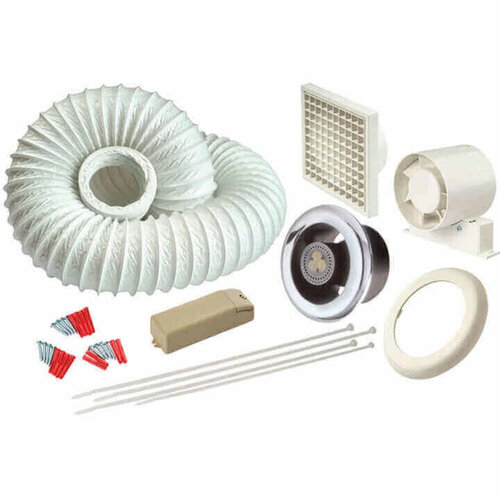
Manrose LED Shower Light Fan Kit Timer - 100mm Chrome Fascia
100mm shower light fan kit with LED, timer and chrome fascia.
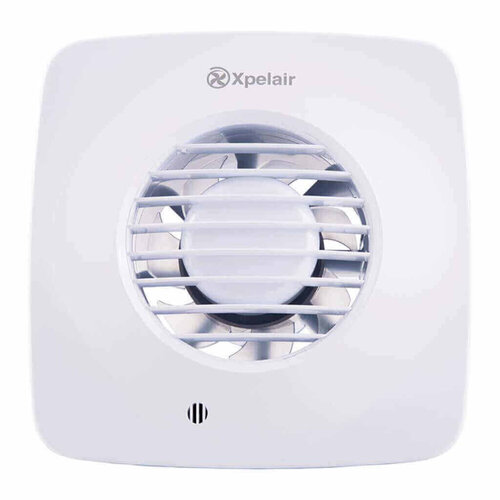
Xpelair Simply Silent DX100 Square Bathroom Fan with Humidistat, Timer and Wall …
Quiet 100mm bathroom extractor fan with humidistat and timer
For the Trade
Start with the space you’ve got and how the fan’s going to be used. That usually rules out half the range straight away. If the run is short and simple, a basic bathroom fan or kitchen extractor fans setup is often enough. Once the duct gets longer, bends increase, or the route is awkward, you’re usually into inline extractor fans or a stronger unit. Then decide if you need timer or humidistat control, or just a plain fan. Quiet extractor fans matter where noise will be chased up later, but don’t pay for extras if the job only needs straightforward extraction.
Extractor Fan Types and Layouts
Wall and ceiling extractor fans suit shorter, straighter runs. They’re quicker to fit and easier to keep neat. Inline extractor fans make more sense when the fan sits away from the room or the duct run is longer.
Axial units move air well on lighter duties, but they’re less forgiving once resistance builds in the run. Kitchen extractor fans usually need more thought than a basic bathroom fan. If noise matters, quieter models are worth the extra look rather than just taking the cheapest option.
For the wider Ventilation range, this is where you decide between a straightforward extract and a more awkward layout.
What to Check Before You Buy
The first check is what the fan has to cope with. That matters more than the badge on the box.
For a straightforward bathroom fan, a basic timed unit is usually enough if the run is short and the room clears quickly. Heavier steam or a longer duct changes the call. In that case, inline extractor fans or a centrifugal unit make more sense, but you give up a bit more cost and space.
Quiet extractor fans are worth paying for where the fan sits close to the room. You usually trade some output for the noise drop.
If the job is tied into Air Conditioning or Air Purifiers, you’re into a different decision altogether.
Useful Alongside Extractor Fans
Once you’ve picked the extractor fans, the next decisions are the parts around them: grille or panel finish, any screen or trim detail, and whether the room needs matching storage or adjacent finishes to keep the job tidy.
A fan can be right on paper and still look wrong if the surrounding finish is an afterthought. That’s where call-backs start.
For bathroom extractor fans, check the wall finish and any access panel early. For kitchen extractor fans, make sure the surrounding surface and storage layout don’t fight the fan position. Keep the rest of the room simple if the fan has to do the work.
Related searches
Local availability for Extractor Fans












