Ventilation
Ventilation usually comes down to what you’re moving, how far it needs to travel, and whether you need a simple extract or a fuller ventilation system. For local air change, keep it straightforward. If you’re running longer routes or tying into other areas, the duct layout and pressure loss matter more than the fan itself. Buying on airflow alone often leads to a run or space that will not suit it.
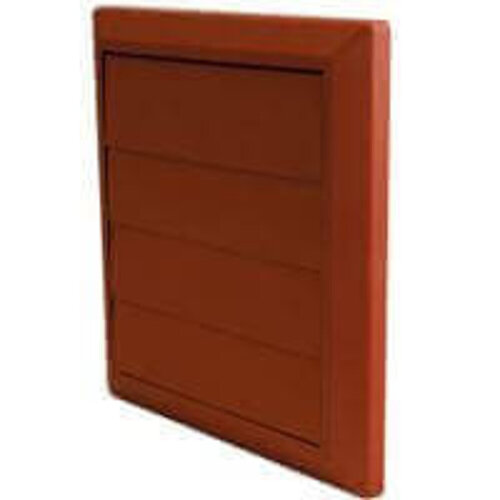
Domus Easipipe Rigid Duct Outlet with Gravity Flaps - 150mm Terracotta
150mm external wall duct outlet with gravity flaps in terracotta
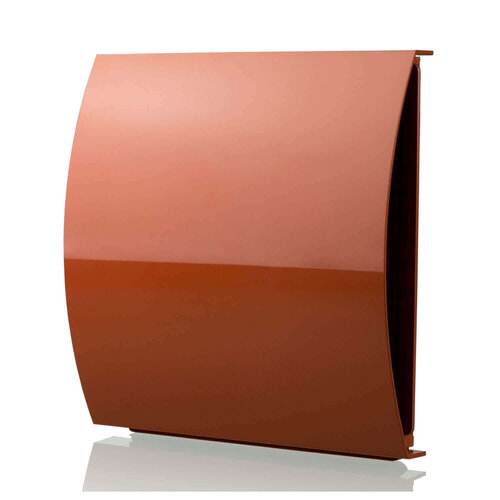
Blauberg AH-10-100 External Wall Wind Sound Baffle Draft Vent Cover - 100mm Terr…
100mm terracotta external wall vent cover with wind and sound baffle
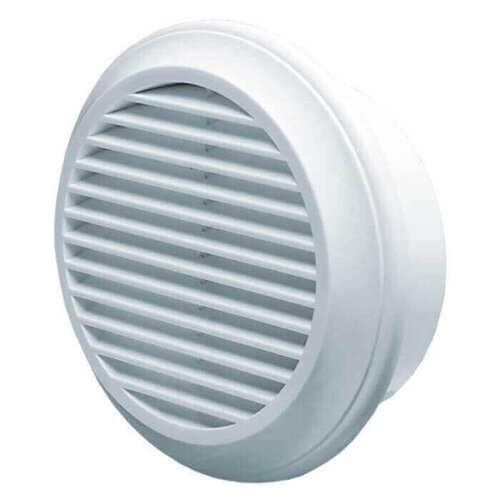
Blauberg Decor 100-MB Round Plastic Vented Fixed Blade Wall Soffit Cover Grille …
100mm white plastic louvred vent grille with insect mesh
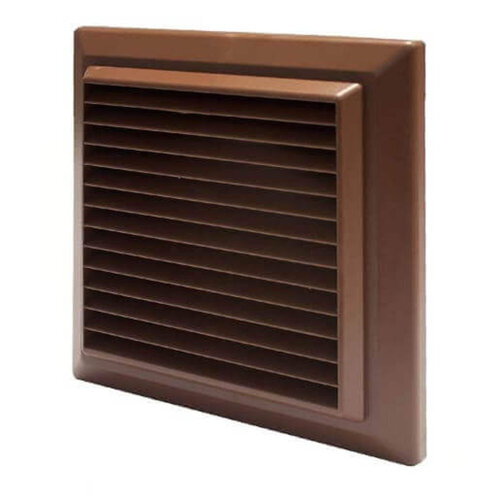
Domus Louvered Grille with Flyscreen and Round Spigot - 100mm Brown
Brown louvred grille with flyscreen and 100mm round spigot, 150mm x 150mm
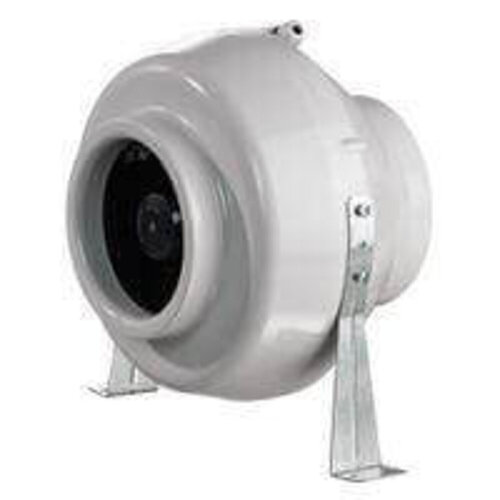
National Ventilation Inline Centrifugal Extractor Fan with Mounting Brackets - 1…
125mm inline centrifugal fan with brackets, 355m³/h, 40dB, IPX4
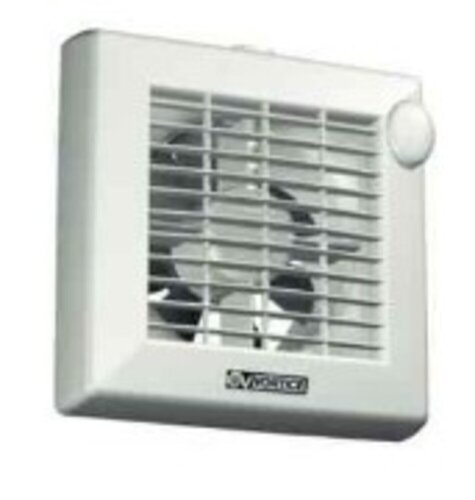
Vortice Punto Filmo Axial Extractor Fan IPX4 - M150/6" White
Vortice Punto Filmo 150mm axial extractor fan, IPX4, white, 220-240V
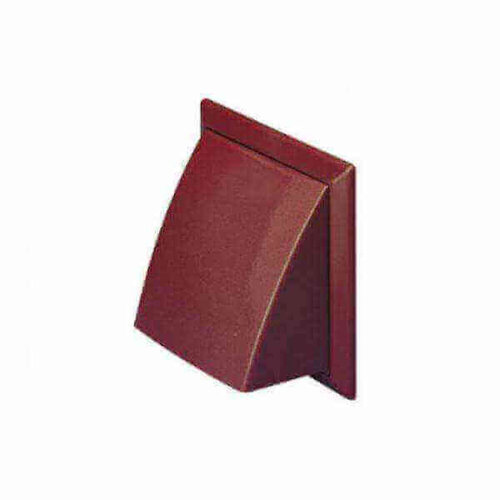
Domus Wall Outlet / Cowl & Damper - 100mm
100mm wall outlet/cowl with damper, fits rectangular & round duct
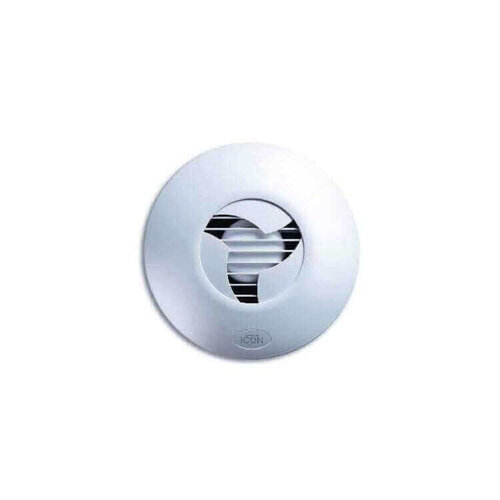
Airflow Icon Eco 30S Bathroom Extractor Fan - 12V DC Low Voltage White
12V DC bathroom extractor fan, 100mm, meets 2010 Building Regulations.
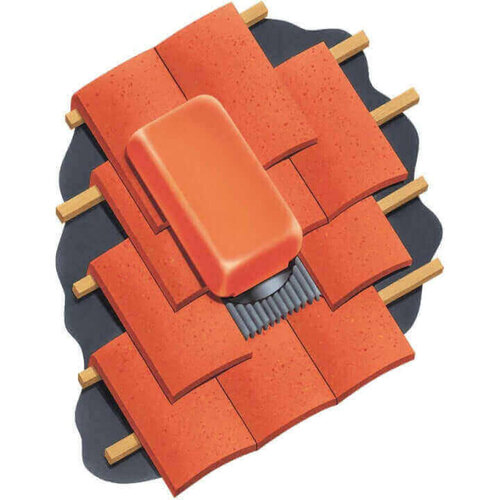
Tiled Roof Ventilator + Cap - Terracotta
Terracotta tiled roof ventilator with cap
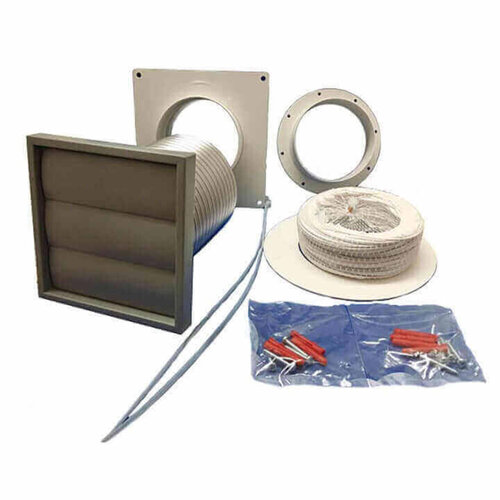
Manrose Aluminium Flexi Duct - 150mm x 400mm
150mm diameter aluminium flexible duct, 400mm long, for extraction systems
For the Trade
Start with the space you’ve got and how the job will be used, then the rest of the spec falls into place. Tight plant rooms, long runs and awkward access usually push you one way. A simple room job may only need the basic setup. That’s where ventilation systems, ventilation fans or ventilation ducts start to separate out in practice. Finishes and extras come after that, not before - a neat grille won’t help if the layout is wrong. If you’re working across a wider scheme, keep the choice aligned with the rest of the Plumbing & Heating range so you’re not buying twice.
Air Conditioning
Air Conditioning is the pick when the job needs controlled cooling as part of the ventilation spec, not just air movement. You’re weighing it against simpler ventilation fans and ventilation ducts. Those shift air, but they won’t give you the same temperature control.
The trade-off is cost and complexity, so it only makes sense where the brief justifies it. If you need the narrower range, Air Conditioning is the next stop. If not, the basic ventilation route is usually the cleaner spend.
Air Purifiers
Air Purifiers come into play when you’re dealing with particles and general indoor air quality. They are a different buy from ventilation fans or ventilation ducts, which move air and extract it.
If you want cleaner recirculated air without opening up the rest of the system, this is the one to look at. If the spec is about air exchange or ducted extraction, you’re in the other part of the range.
Air Vents
For most jobs, the question is simple. Do you need a neat outlet, a route for air to move, or the full kit around it? That’s where Air Vents come in. They suit a controlled opening without the extra parts that come with ventilation fans or ventilation ducts.
The trade-off is clear. You keep the spec simpler, but you do not get the same level of air movement or control. In practice, it comes down to how much air needs to shift and whether the rest of the ventilation is already doing the work.
Building Ventilation
Building ventilation is the one you use when air needs to move through the building itself, not just out of one room.
Start with how much of the system you’re tying into. A simple extract point is one thing. A longer run through ventilation ducts is another. Once the airflow path matters as much as the outlet, you need to think the spec through.
Shorter runs are easier to keep tidy. Longer routes can bring noise, resistance, or poor draw if you get them wrong.
Dehumidifiers
Dehumidifiers are the kit you reach for when moisture is the problem and you need to bring it down without changing the rest of the ventilation setup. They help after water ingress, keep condensation under control, and take the edge off damp storage areas where ventilation alone will not clear the load quickly enough.
The split is simple. They deal with moisture in the air, not stale air movement. So they are not a substitute for ventilation fans or ducts where you need air moved out of the space. It comes down to how much moisture you are dealing with and how long you can leave the unit running.
Ducting
Ducting is the bit you choose when the route matters more than the fan itself. Straight runs, fewer bends and the right diameter all make a difference to how hard the system has to work. Jobs usually go wrong when you end up with tight turns or a run that’s been reduced to make it fit.
Rigid sections suit longer, cleaner runs because they hold their shape and keep resistance down. Flexible ducting works where access is awkward or the line needs a bit of give. If the run is short and simple, keep it plain. If the route is long or cramped, spend the money on ducting that won’t fight the rest of the ventilation system.
Choosing Materials and Size
What usually decides it is the route, the duty and how much resistance you can afford in the system. For a straightforward extract run, lighter ventilation fans and shorter ventilation ducts keep the job simple.
Once the run gets longer or the layout is awkward, pressure drop and noise matter more than the cheapest kit. That is where the spec starts to shift.
If the spec is tied into Central Heating, check the airflow requirement against the rest of the system before you commit. Undersizing is what gets called back. Easier handling and lower cost against better performance and less grief later.
Completing the Setup
Once you’ve picked the ventilation itself, the next call is the parts around it that finish the job properly - the grille or screen, any access panel, and the trim that keeps the opening looking deliberate rather than patched in.
On a lot of jobs, that’s where the call-backs start. A neat fan or duct run still looks rough if the surrounding finish is wrong, or if you’ve left no sensible access for cleaning and maintenance.
If the opening sits in a visible area, spend the extra time on the finish. In a plant space or service zone, access and durability usually matter more than appearance.
Related searches
Local availability for Ventilation















