Plumbing & Heating
For plumbing & heating jobs, start with the spec - standard fittings for a straightforward run, or parts that suit servicing, repairs, or a tighter install. The cheaper option can look fine until you hit access issues, mixed pipework, or a call-back on a joint that should have been matched properly. Check the connection type, material, and whether you need anything extra for finishing or maintenance before you load the van.
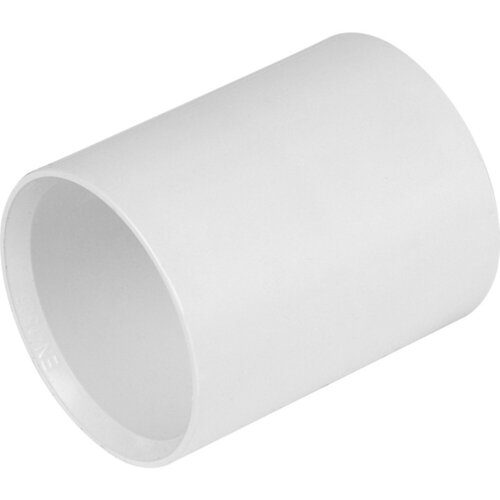
Solvent Weld Straight Coupling - 40mm White
40mm white solvent weld straight coupler for pipe connections
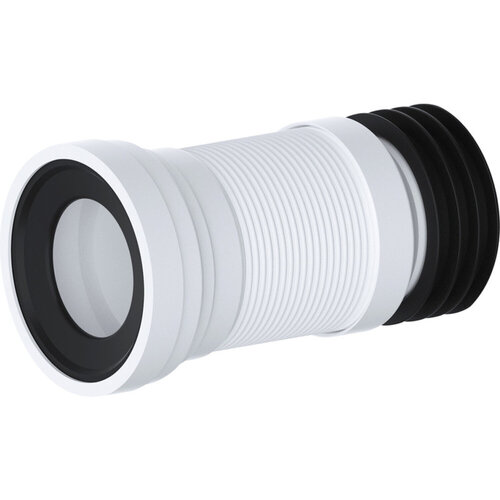
Viva Slinky-Fit Flexible Pan Connector - 240 - 500mm
Flexible wire-reinforced pan connector with 240-500mm adjustable length and Smar…
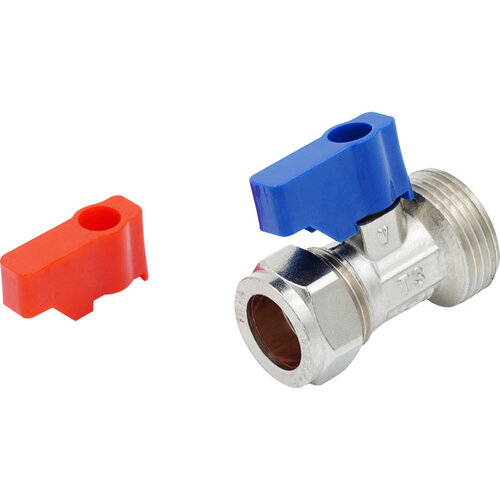
Made4Trade Washing Machine Tap Straight - 15mm x 3/4"
Straight washing machine tap, 15mm x 3/4", nickel-plated brass
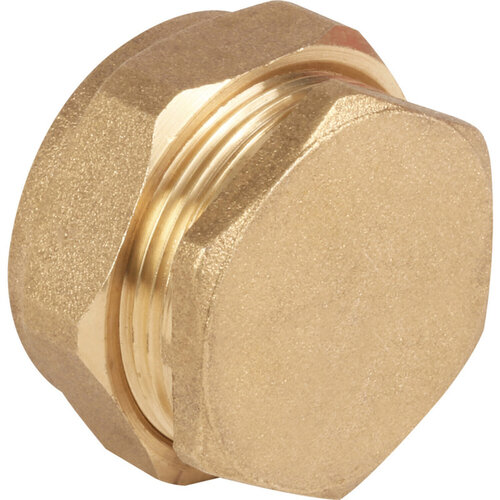
Made4Trade Compression Stop End - 15mm
15mm compression stop end for gas and water pipework.
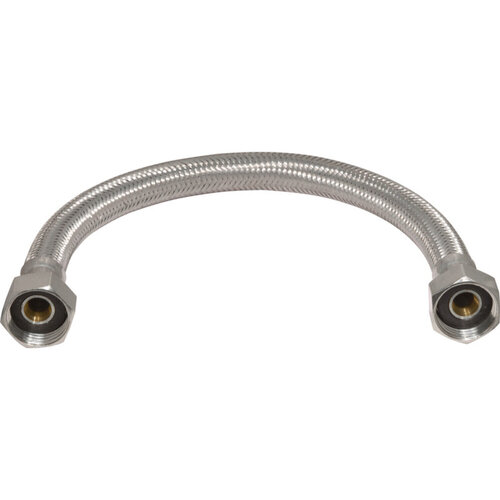
Flexi Hose 300mm - 1/2" x 1/2" 10mm Bore
300mm flexible hose with brass fittings, up to 70°C, drinking water safe
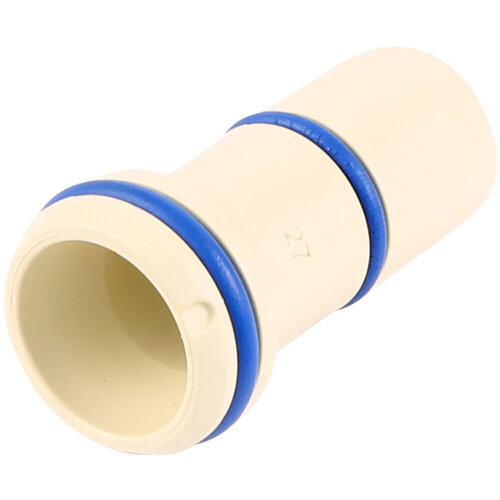
John Guest Speedfit Superseal Pipe Insert - 15mm
15mm Superseal pipe insert with dual o-ring seal
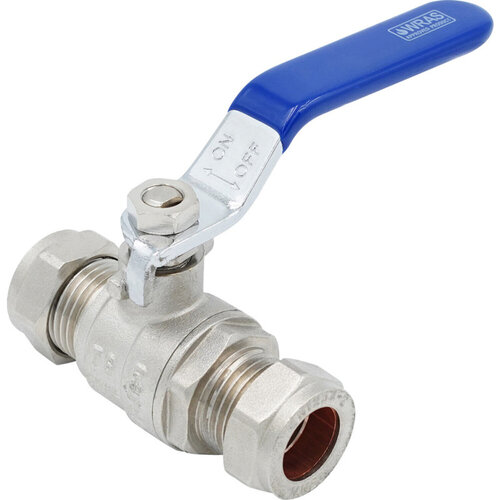
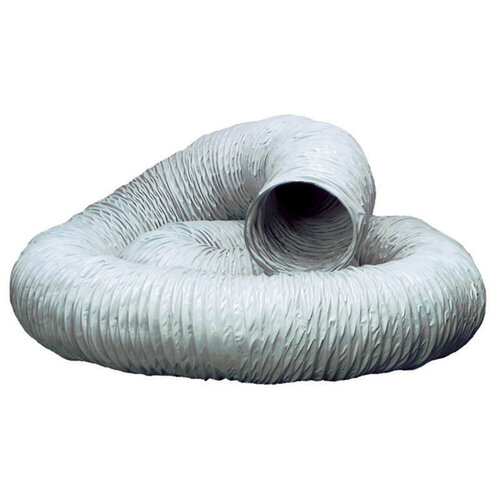
PVC Flexible Ducting Hose - 100mm x 3m
100 millimetres diameter x 3 metres PVC ducting hose with internal steel helix
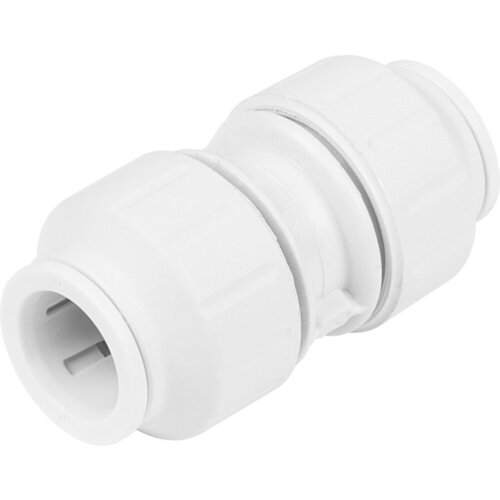
John Guest Speedfit Equal Straight Coupler - 15mm
Push-fit straight coupler for connecting two 15mm pipes
For the Trade
Start with the space you’ve got and how the job will be used, because that usually decides the range before you look at finishes or extras. In plumbing & heating, the awkward bit is often access, not the part itself - tight voids, limited clearance, or a layout that leaves you little room to work. If it’s a straightforward replacement, you’ll usually want the simplest option that keeps the run clean. When the job needs more adjustment or future access, choose the parts that give you that without forcing a second visit.
Central Heating
For Central Heating, you’re usually choosing parts that have to work with the rest of the system, not just the bit you’re fitting today. The main call is whether you need a like-for-like replacement, a service item, or something that changes the layout enough to save time later.
That’s where plumbing & heating choices narrow fast. The wrong connection style or finish can leave you with extra adaptors and a call-back. If the job is tied into existing pipework, check compatibility first, then finish and access.
Fires, Stoves & Electric Heating
If you’re buying for a job outside the wet side, this is the part of plumbing & heating you look at when the spec calls for room heat rather than pipework parts. Fires, Stoves & Electric Heating is the narrower buy when you need a standalone heat source or an electric option.
The rest of the range stays more about system parts and connections.
The trade-off is straightforward. You choose around output, fuel or power source, and how much of the existing setup you’re keeping. Most problems come from picking something that does not suit the room load or the supply you have.
Guttering & Drainage
For gutter runs, the first check is whether you’re replacing a damaged section or sorting a longer stretch that needs matching parts. That decides how closely you need to stay with the existing profile, and where you can change fittings without adding extra joins.
For a local repair, keep it simple and buy to suit the section you’re touching. For a fuller run, consistency matters more, because mixed parts are where callbacks start. For the narrower buy in this range, Guttering & Drainage is the one to move to when the job is carrying water away cleanly rather than general plumbing & heating kit.
Plumbing
Plumbing is the bit you pick when the job is about pipework, valves, joints and the small parts that keep a system moving. It sits apart from the bigger heating or ventilation call. You narrow it by what you’re connecting to, the material in play, and whether you’re replacing like for like or changing the layout.
Brass and plastic each have their place. The wrong mix is what causes call-backs. If you’re matching existing pipework, check compatibility first. If you’re building a new run, the right fittings and accessories save time later.
Radiators
Radiators usually come down to output, size and how much pipework you want to disturb. A straight swap is one thing. A room that’s been altered or extended often needs a different size or connection layout, and the wrong choice slows you down.
Some jobs only need a like-for-like replacement. Others need the right radiator fittings and valves so you are not fighting the existing pipe centres. In plumbing & heating, the job is to get the heat where it is needed without creating extra work on site.
Ventilation
Ventilation is the part you look at when the job is about moving stale air, managing moisture, or stopping a room turning into a call-back. The choice usually comes down to the airflow you need, how much ducting you can run, and whether the unit needs to sit quietly in the background or work harder under load.
A cheap fan that looks fine on paper can still be the wrong buy if the run is long or the grille position is awkward. If it sits within a wider plumbing & heating job, keep the rest of the system in mind, but do not overbuy here when a simpler unit will do the job.
What to Check Before You Buy
What you check first is how much of the existing setup you’re keeping. If it’s a straight replacement, match size, thread, and material as closely as you can. That keeps the job moving and cuts out avoidable rework.
If the run is being altered, connection type and pressure rating matter more than price. That’s where call-backs start. In plumbing & heating, the cheap part is rarely the saving if it means redoing the joint. For radiator fittings, the finish and valve pattern need to suit the pipework as well as the radiator, or you end up forcing a compromise elsewhere.
Useful Alongside Plumbing & Heating
Once the main plumbing & heating parts are chosen, the next call is usually the finish around them. That means the bits that stop the job looking half done - access panels where you need future servicing, screens where pipework or valves need hiding, and storage or furniture where the room layout has to work around the services.
Wall finishes matter too. A neat install can still look rough if the surrounding surface is wrong. Leave those extras too late, and the clearances or fixings may not suit what is already in place.
Related searches
Local availability for Plumbing & Heating