Ear Protection
Ear defenders come down to three things: how much noise you’re dealing with, how long you’ll wear them, and whether you need a compact set that won’t get in the way between tasks. Basic work ear defenders suit general site use. Padded or foldable ear defenders make more sense if they’re going on and off all day, or need to live in a tool bag. If the fit’s poor, they end up hanging round your neck instead of doing the job.
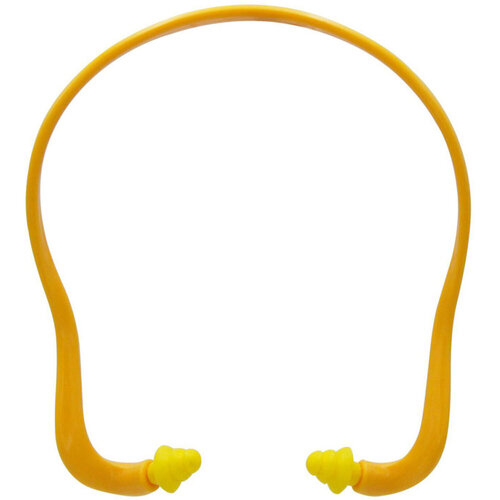
Maverick Banded Ear Plugs - 27dB
Banded ear plugs with 27dB SNR, made from silicone and PE
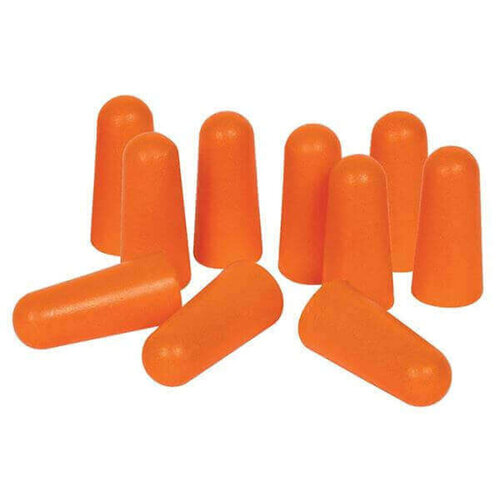
Vitrex Ear Plugs - 5 Pack
Foam ear plugs with SNR 33 dB, pack of 5 pairs
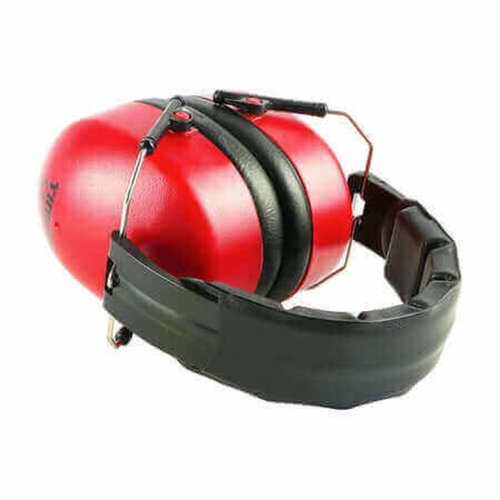
Timco Foldable Ear Defenders
Timco foldable ear defenders with 30.4dB attenuation and padded headband
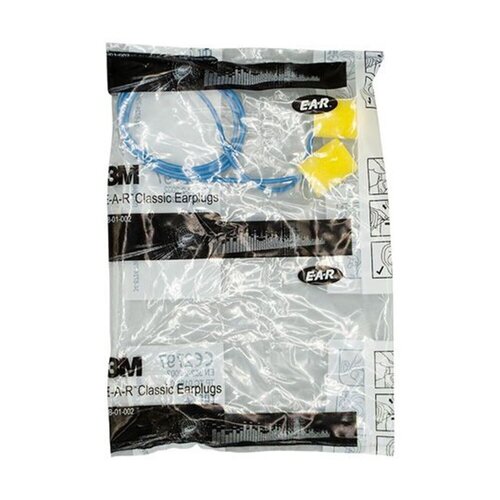
3M Foam Corded Earplugs
Corded foam earplugs in yellow for hearing protection
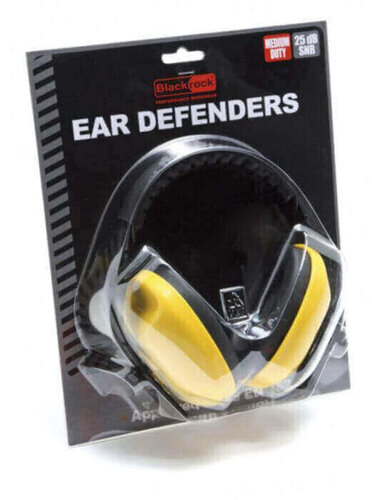
Blackrock Comfort Ear Defenders
Yellow ear defenders with 25dB SNR and cushioned adjustable headband
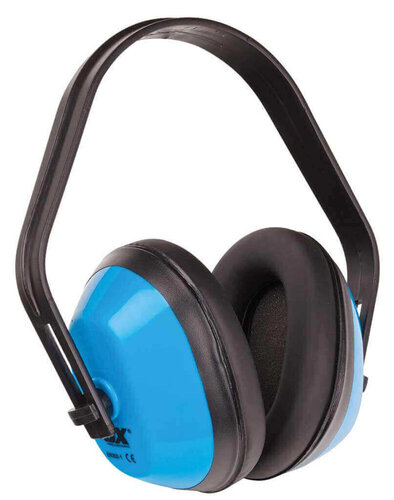
Standard Ear Defenders - SNR 25dB
Standard ear defenders with SNR 25dB hearing protection, blue
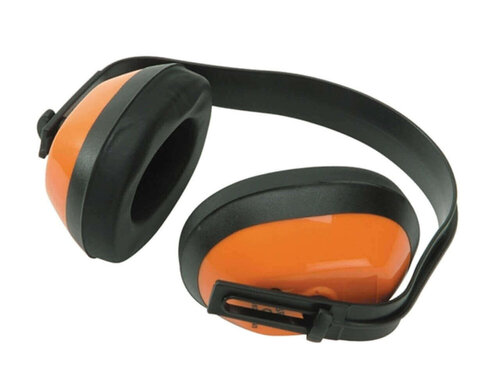
Vitrex Ear Protectors
Vitrex ear protectors
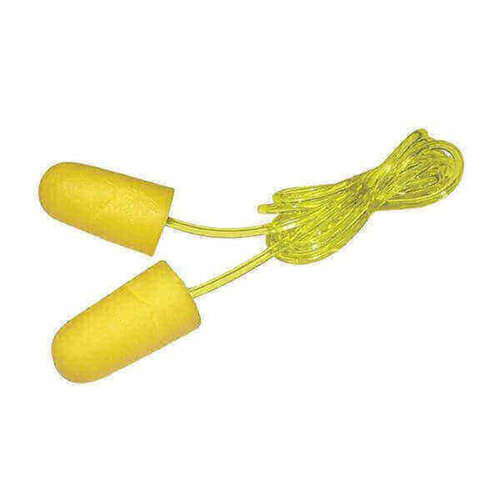
Scan - Foam Earplugs & Cord SNR 34 dB - 6 Pairs
Soft foam earplugs with cord, SNR 38dB reduction, 6 pairs
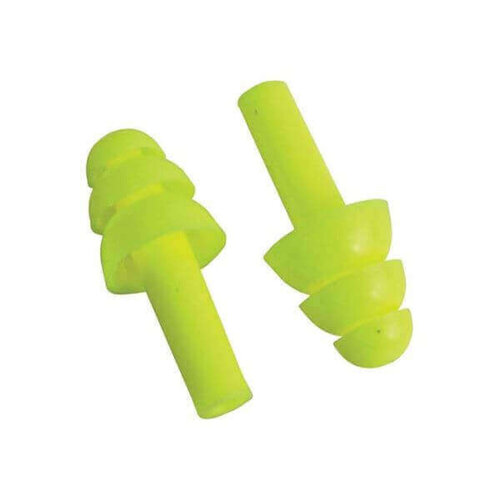
Scan Silicone Earplugs
Reusable silicone earplugs with SNR 32 dB rating
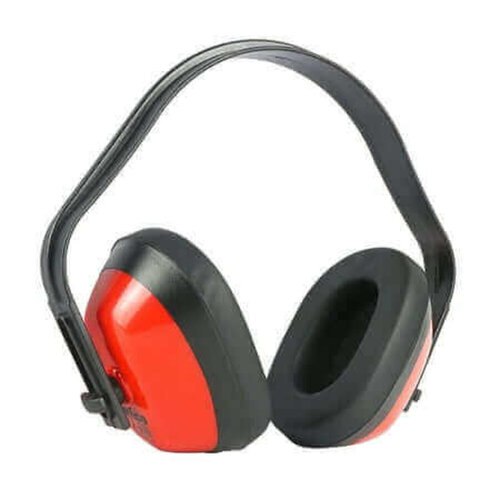
Timco Ear Defenders
Lightweight adjustable ear defenders suitable for small to large head sizes.
For the Trade
Start with the space you’ve got and how the kit will be used on the job, then the rest falls into place. If you’re in and out of tight areas, foldable ear defenders save bulk in the bag. Larger cups usually sit better over longer spells and leave more room around the ear. Check the headband and pad pressure as well. Poor fit is what gets them left off between tasks. For noisy plant or repeated cutting, work ear defenders with a firmer seal usually make more sense than lighter site ear defenders.
Popular Ear Protection Formats
Standard ear muffs suit general site noise. They’re the straightforward pick when you want hearing protection that does the job without extra features. Trade ear defenders follow the same logic, but they’re the better fit if you want a work-ready option you can keep on through a shift.
Noise reducing ear defenders make more sense where the noise is steady and you want a calmer background. Noise cancelling ear defenders are the step up when the sound is more intrusive and you need stronger control. Industrial ear defenders go heavier again, with more coverage, but that usually means more bulk and less comfort over long wear.
If you’re comparing options across PPE, the choice is simple enough: keep it plain for routine site work, or move to a more specialised format when the noise demands it.
Key Differences When Choosing
For most jobs, you’re weighing comfort, bulk and how much kit you need to carry.
Foldable ear defenders make sense if they live in a van, pouch or toolbox. They take up less room. The trade-off is a hinge and slimmer frame can feel less solid than fixed-cup models.
Padded headbands are worth a look if you’re wearing them on and off all day. A firmer frame usually keeps its shape better on rougher site use.
If the job also needs Disposable Overalls or Eye Protection, check the headband and cup size together so you’re not fighting for space once everything’s on.
Next Decisions After Choosing
Once you’ve picked the right ear defenders, the next call is what else is going in the same area. On a strip-out or refit, you’ll often be ordering disposable overalls and eye protection at the same time, because noise is rarely the only issue.
On cleaner fit-outs, it comes down to how the kit gets carried and stored. Foldable ear defenders are easier to keep in a van or pouch. Bulkier work ear defenders make sense if they stay on one job. The kit that gets left behind is usually the one that is awkward to carry.
Local availability for Ear Protection











