Eye Protection
Eye protection usually comes down to the hazard and how long you’re wearing it. Safety glasses suit general site work and give you better airflow, while safety goggles are better when you need a closer seal against dust, splash or fine debris. Clear lenses are the usual choice indoors, and anti-fog options help when you’re moving between warm and cold areas or wearing them all day.
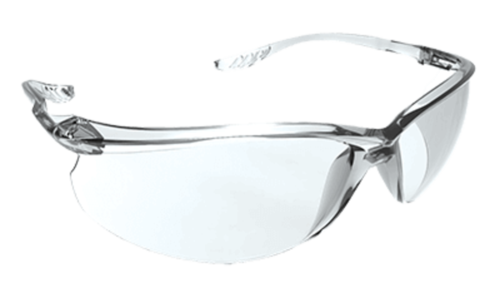
Portwest Lite Safety Spectacles - Clear
Clear safety spectacles with anti-scratch and anti-fog coating, 99% UV protectio…
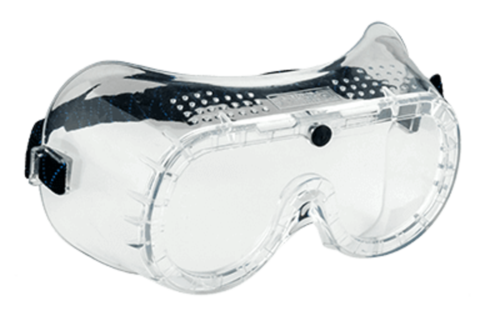
Portwest Direct Vent Goggle - Clear
Clear direct vent goggle with 99% UV protection.
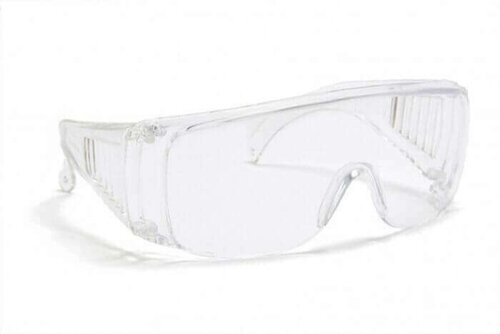
Blackrock Safety Over Spectacles
Clear safety over-spectacles approved to CE EN166
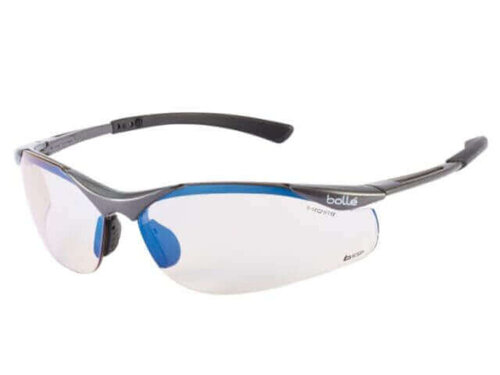
Bolle Safety Glasses Contour Platinum - ESP
Safety glasses with wrap-around design and UV protection
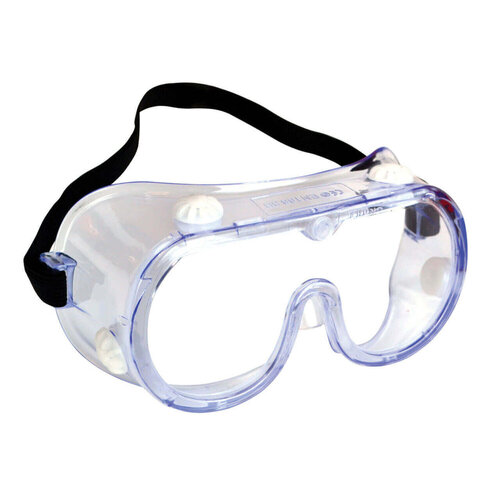
Scan Indirect Vent Safety Goggles
10-pack indirect vent safety goggles, impact-resistant clear polycarbonate lense…
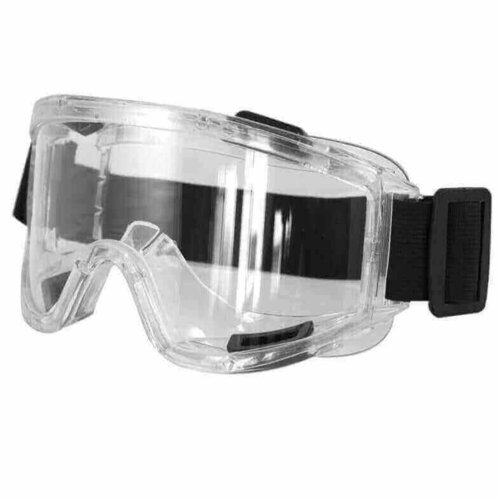
Dekton Premium Safety Goggles
Lightweight safety goggles with anti-scratch polycarbonate lens
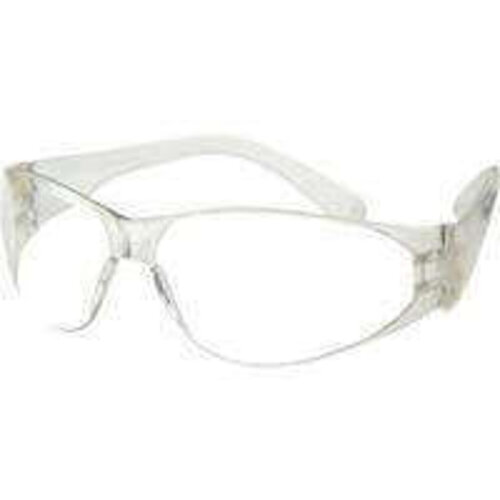
Checklite Anti-Scratch Eye Protection, Polycarbonate - Clear
Lightweight anti-scratch eye protection spectacles, 22 g polycarbonate lens.
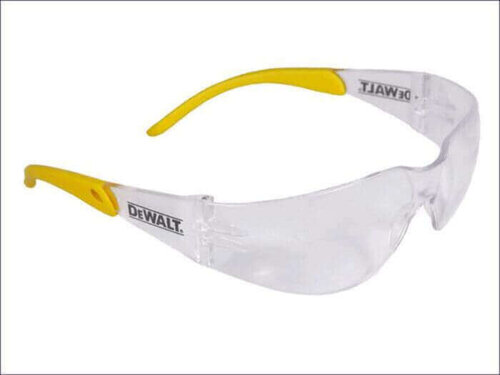
Dewalt Protector Glasses - Clear
DEWALT clear safety glasses with UV protection and anti-scratch coating
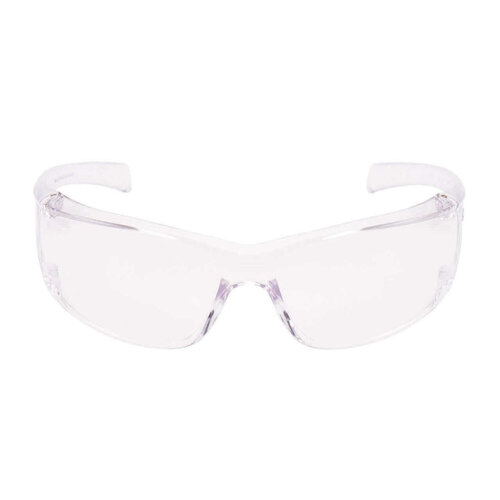
Safety Glasses
Clear safety glasses conforming to EN166 1 F
Blackrock Safety Spectacle with Adjustable Arm - Yellow
Yellow safety spectacle with adjustable arm
For the Trade
Start with the space you’ve got and how the job’s going to be used, not the finish or the extras. Tight access or overhead work usually calls for eye protection that sits close and stays put. If the job throws dust or splash at you, a closer seal matters more than a lighter frame. Anti-fog options earn their keep on longer jobs, because a misted lens is the bit that gets left on the van. Clear lenses suit most day-to-day work, but the spec should follow the risk, not habit.
Types of Eye Protection
Safety glasses are the usual pick when you want something quick to wear, lighter on the face and easy to keep on through the day. They suit general cutting, drilling and moving around site, but they rely on a decent fit if you’re dealing with fine dust or anything that can drift in from the side.
Safety goggles are the better call when you need a closer seal. They suit dustier work and jobs with splash risk. The trade-off is simple - they can feel warmer and less open.
If you’re buying for mixed jobs, the PPE range is where you narrow that down fast.
Selection Factors for Eye Protection
Clear lenses are the usual pick when you need eye protection without changing the light level. Once dust, spray, or fog becomes the issue, move to anti fog safety glasses or safety goggles.
Wraparound frames give more side coverage and usually stay put better when you’re in and out of the job all day. The trade-off is a less open feel than a straight frame.
If the rest of the task is messy, sort Disposable Overalls at the same time. If noise is the bigger issue, look at Ear Protection rather than trying to make one item cover everything.
Finish the Room
Once you’ve picked the right eye protection, the next call is what else is going into the same area. If the job is throwing dust, splash or debris around, you’ll often be looking at disposable overalls and face masks as well. The same mess that lands on the lenses usually ends up on the rest of the kit.
On busier sites, hi vis and ear protection tend to come up at the same time too. They don’t do the same job. They’re just the bits that get missed when the programme’s tight. That’s the sort of order that saves you coming back for the obvious extras.
Local availability for Eye Protection














