Height Safety
Height safety comes down to three things: what you’re working on, how much movement you need, and whether you need restraint or arrest. Roof work, scaffold work and fixed access points all call for different height safety equipment, and the wrong setup gets in the way or leaves too much slack. If you know the access and anchor points, it’s easier to narrow it to the right safety harness, lanyard or fall arrest equipment for the job.
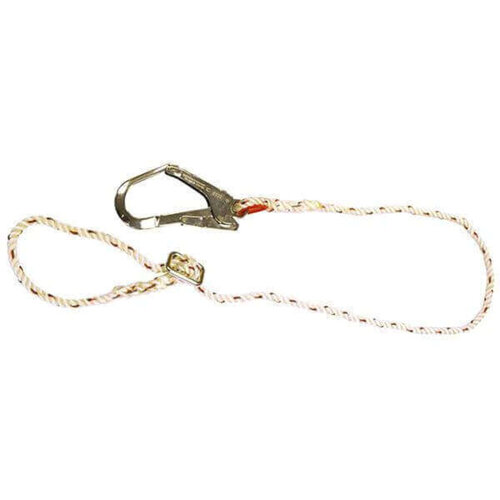
Scan Fall Arrest Rope Lanyard
EN358 fall arrest rope lanyard, adjustable 1.3-2m, with carabiner
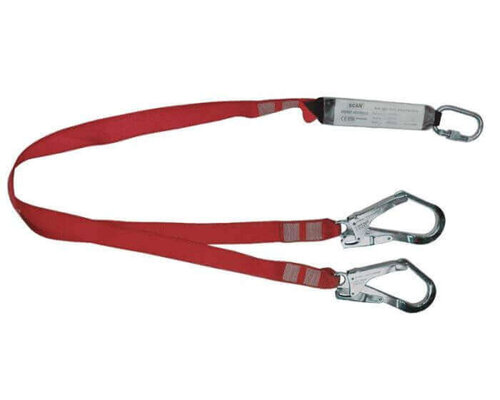
Scan JE312205 Fall Arrest Twin Lanyard Scafalytwin - 1.8M
1.8m twin fall arrest lanyard with shock absorber and two forged hooks (>23kN)
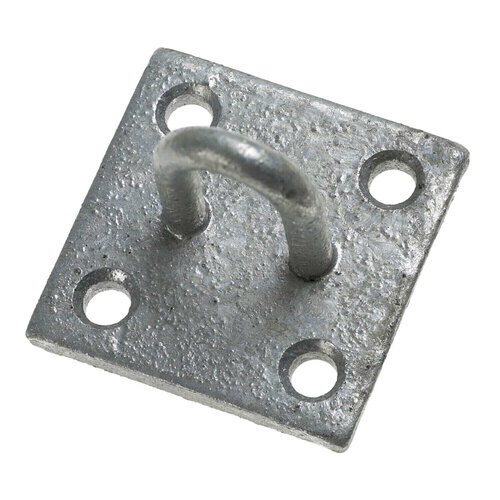
Eliza Tinsley Anchorage Point - 35mm x 50mm 2 Pack Silver
Silver galvanised anchorage point for fixing chain or rope to wall, fence or pos…
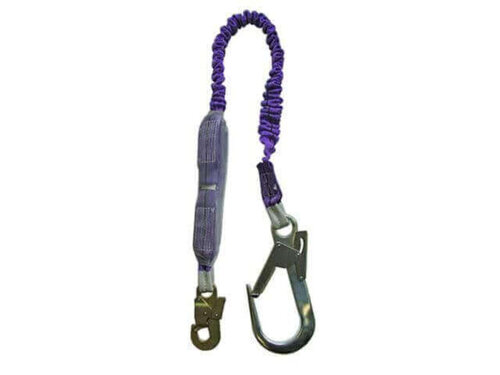
Scan Fall Arrest Lanyard Hook & Connect - 1.95MTR
1.95m fall arrest lanyard with scaffold hook and locking snap hook
For the Trade
Start with the space you’ve actually got and how the kit will be used. That usually rules out half the options before you look at finishes or extras. A compact job with limited movement needs different height safety equipment to a setup where you’re working across a wider area or changing position often. A safety harness is only part of it. Lanyard length, restraint versus arrest, and how much freedom you need on the job all change what makes sense. Most returns come from the kit not matching the work, not from the brand.
Popular Height Safety Formats
When you’re choosing height safety, the first split is usually between restraint and arrest. Restraint suits jobs where you need to stop the reach before there’s a fall, so it works well on fixed access where movement is predictable. Arrest gear gives you more freedom to work, but you rely on the full system being right. That’s why the PPE side of the order matters as much as the harness itself.
For trade height safety, the main product formats and layouts are the real decision point. A basic safety harness suits straightforward site height safety where you just need a secure tie-in, while a fall arrest harness and matching lanyard are the better fit when the job needs more movement or a wider working area. The trade-off is simple: more freedom usually means more kit, more checks, and less room for error.
Key Differences When Choosing
If the job keeps you in one line, restraint is usually the cleaner buy. It limits movement before you get into trouble and keeps the setup simpler.
Once you need more reach, a fall arrest harness and the rest of the height safety equipment give you that freedom. The trade-off is the full system has to be right, from the harness to the lanyard and anchor point. That is where people get caught out.
For dirty or wet work, check what’s going over the top as well - Disposable Overalls save your own kit from taking a beating.
If the work’s noisy, don’t leave Ear Protection as an afterthought. It is usually bought with the rest of the job kit, not after the fact.
Next Decisions After Choosing
After you’ve picked the height safety, the next call is usually the kit around it. That means storage for the harness and lanyards, edge protection where the route changes, and any screens or panels needed to keep the work area controlled.
The details matter. A harness dragged in the van or left rubbing on sharp edges soon looks tired. If the job needs other PPE as well, sort it at the same time. It saves you making a second run and ending up with half the setup ready.
Related searches
Local availability for Height Safety




