Knee Pads & Inserts
Knee pads come down to how long you’re on your knees, how much movement you need, and whether you want a softer feel or a firmer, more stable pad. Foam versions are the lighter, simpler choice for shorter spells. Gel knee pads suit longer shifts because they spread the load better, though they can feel bulkier in tight spaces. If you need knee pad inserts, check the trouser pocket size first - the wrong insert shifts about and gets annoying fast.
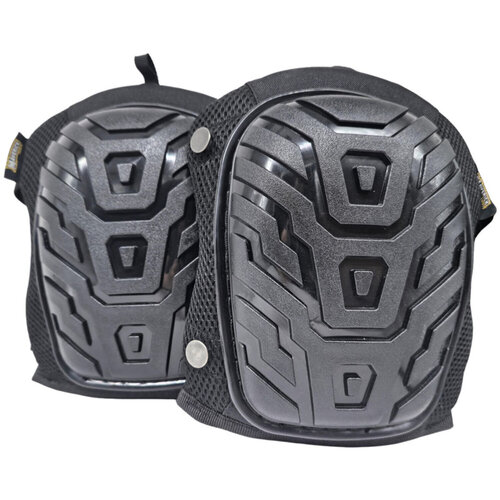
Maverick Safety Gel Knee Pads - 2 Pack
Maverick safety gel knee pads, 2-pack, EN 14404 certified.
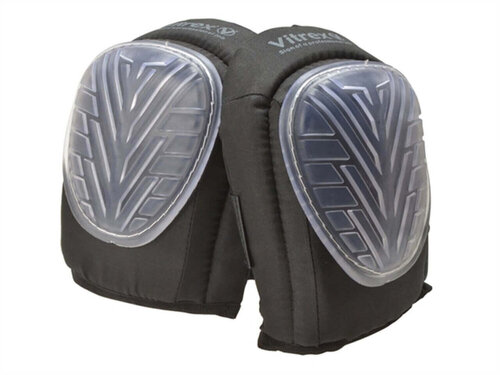
Vitrex Mini Gel Padded Knee Pads
Gel padded knee pads for comfort during prolonged kneeling.
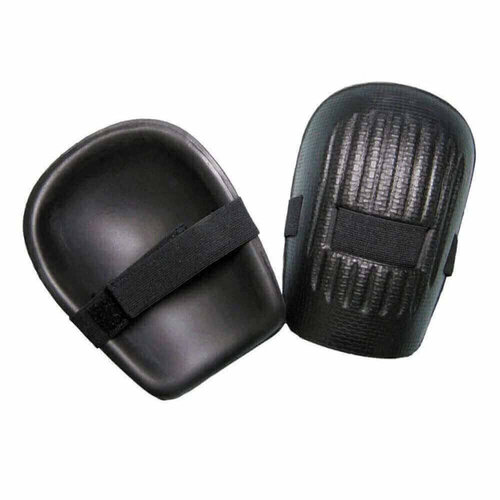
Blackrock Contractor Knee Pads
Blackrock contractor knee pads
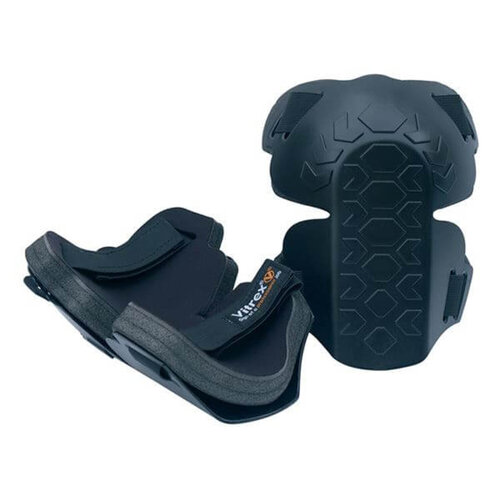
Vitrex Contractors Knee Pads
Professional knee pads with rigid nylon shell and removable inner padding
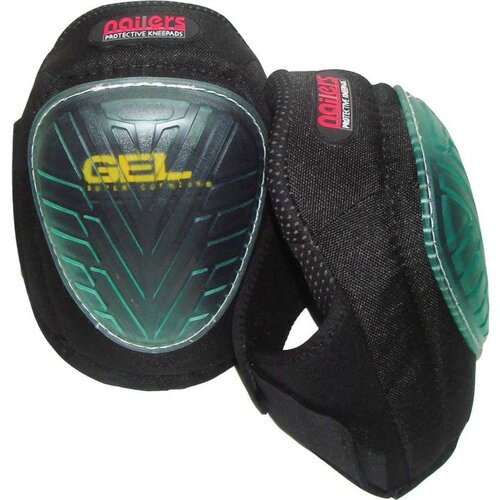
Nailers Professional Super Gel Swivel Knee Pads
Super Gel swivel knee pads with gel core, nylon face and 1 year guarantee
For the Trade
Start with the space you’ve actually got and how the job will be done, because that usually decides more than the finish. Tight access, lots of moving about, or repeated kneeling on rough floors will push you towards different knee pads than a steadier install where comfort matters more than bulk. Knee pad inserts make sense when your trousers and pockets are right, but they’re no use if they shift or sit wrong in your workwear. A lot of call-backs start with the wrong fit, not the wrong material, so check how they sit before you chase extras.
Types of Knee Pads & Inserts
If you’re choosing knee pads for work, the first split is between strapped pads and knee pad inserts. Inserts only work when the trouser pocket holds them properly. If they don’t sit right, you’ll spend the day adjusting them.
For trades that stay down for long spells, gel knee pads usually get picked for the extra cushioning. Foam knee pads are lighter and less bulky when you’re moving between tasks. Trade knee pads with a tougher shell suit rougher floors and heavier use, but you give up some flexibility. If you’re matching the rest of your PPE, that’s often where the final call gets made.
Selection Factors for Knee Pads & Inserts
The first call is how you’ll wear them. Strapped knee pads suit rougher site work because they stay with you. The trade-off is bulk under trousers, and they can get in the way if you keep moving between kneeling and standing.
Knee pad inserts sit neater when the trousers take them. That works well for fit and speed, but you need the right workwear. After that, match the pad to the surface and the wear. Softer pads are fine for lighter spells. Heavy duty knee pads make more sense on abrasive floors where cheaper ones flatten quickly. If the job also needs Disposable Overalls or Ear Protection, sort those at the same time rather than making a second run.
Finish the Room
Once you’ve picked the right knee pads, the next call is what else you need on the job.
If you’re in a dusty strip-out or a messy refurb, disposable overalls keep the rest of your kit cleaner. If the work’s noisy, ear protection is usually the next thing that gets added, because it’s easy to leave out until you’re already on site.
On a lot of jobs, knee pads are only one part of the order. The rest depends on what you’re standing in, cutting through, or working beside.
Related searches
Local availability for Knee Pads & Inserts












