Work Gloves
If you’re buying work gloves, start with the job in front of you. Grip and handling styles suit general site work, tougher palms take more abuse on rough materials, and lighter coated gloves give you more feel on fixings and tools. Leather usually lasts better. Nitrile and latex styles grip well in wet or greasy conditions, though they won’t all wear the same.
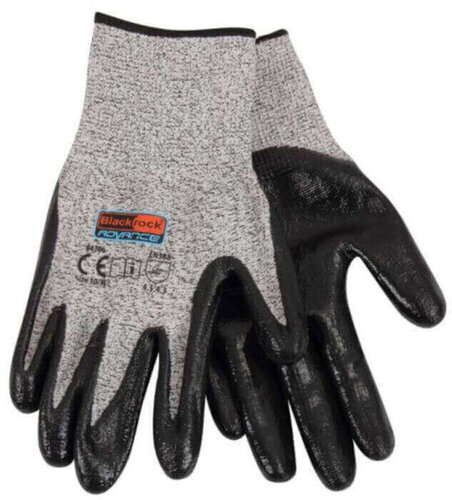
Blackrock Nitrile Anti Cut Level 5 Gloves - L
Cut level 5 nitrile coated gloves, size L, for wet and oily conditions
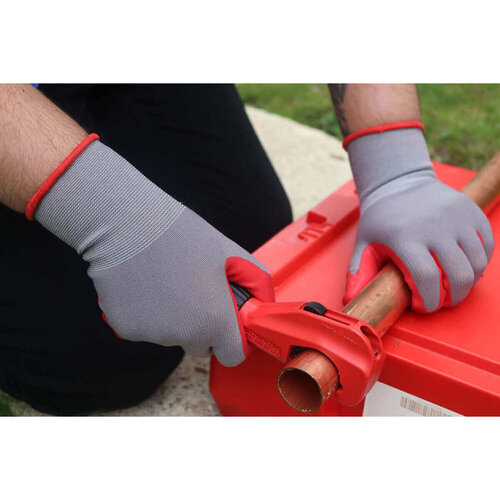
Rothenberger RO874M Comfort Gloves - M
Breathable comfort gloves with enhanced grip and Palmwick technology
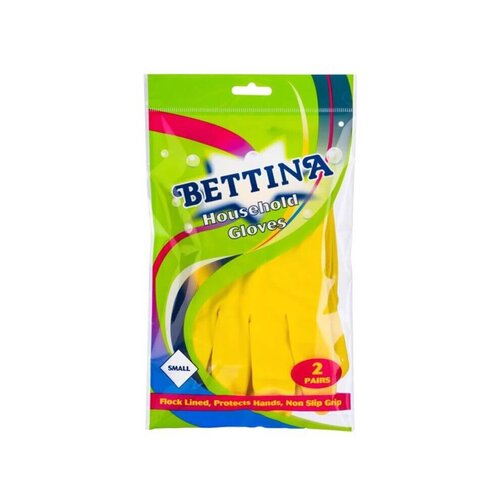
Bettina Medium Size Reusable Household Glove - Pack of 2 Pairs
Medium household gloves with non-slip grip, pack of 2 pairs
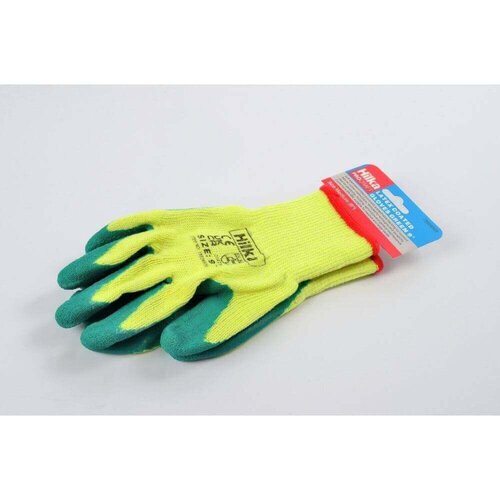
Hilka Latex Coated Work Gloves - M - Green
Hilka latex coated work gloves, size M, green, seamless knit with textured grip.
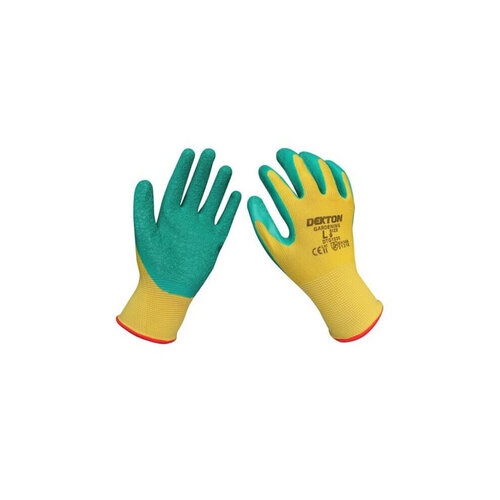
Dekton DTG1030 Leather/Cotton Ultra Grip Tradesman Working Gloves 12PC - Size 9/…
Leather and cotton tradesman gloves with ultra grip – size large, 12 pack

Today's Tools Vinyl Disposable Gloves - XL Clear Box of 100
Clear vinyl disposable gloves, powder-free and ambidextrous, XL, box of 100
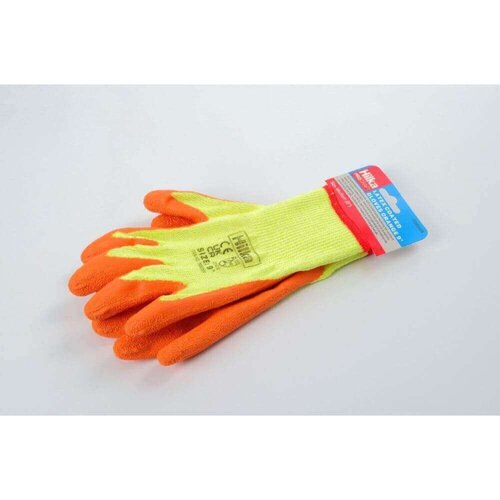
Hilka Latex Coated Work Gloves - M - Orange
Orange latex coated work gloves, size medium, textured grip
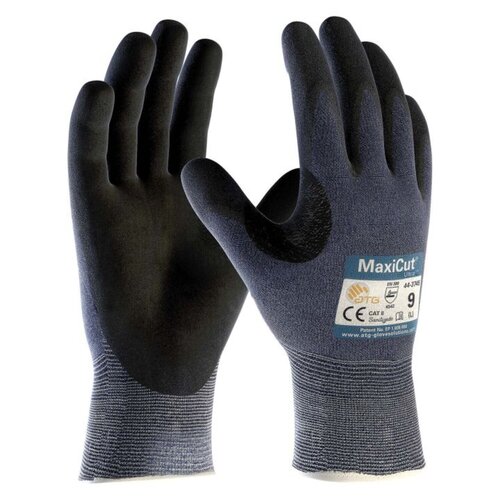
ATG Maxicut Ultra Glove - Size 8
Size 8 ATG Maxicut Ultra gloves with cut level 5C resistance
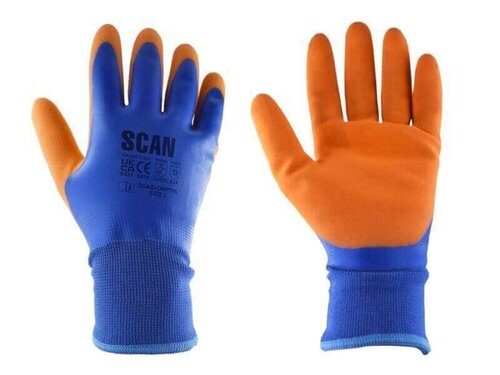
Scan Waterproof Thermal Glove Latex Coated - M
Waterproof thermal work gloves with latex coating for cold weather and freezer u…

Portwest Powder Free Nitrile Disposable Glove - M blue
Powder-free nitrile disposable glove in blue, size M
For the Trade
Start with how the gloves will be used, because that usually narrows the choice faster than comparing finishes. For rough handling and abrasion, heavy duty work gloves or leather work gloves tend to make more sense. Lighter coated options suit jobs where you need feel on fixings and tools. If the job is wet or cold, water resistant work gloves or thermal work gloves move up the list straight away. Cut resistant work gloves are the one you reach for when the risk is on the hand, not just the wear. The mistake I see most is buying for general use and then wondering why they’re wrong by lunchtime.
Work Glove Options Compared
You usually narrow work gloves by what’s going to wear them out first.
Trade work gloves are the everyday pick when you want some feel and don’t want to burn through a pair on light site work. Heavy duty work gloves suit rough materials and timber handling, but you give up dexterity. Leather work gloves still get chosen for abrasion and general abuse, though they’re not the answer if you need a close fit for fixings.
General purpose gloves cover mixed jobs, but they start to feel vague once the work gets repetitive. For wet or chemical contact, nitrile work gloves usually hold up better than latex. That makes them the better call for messy tasks.
If you’re matching the rest of your PPE, the job spec matters more than habit.
Choosing Materials and Size
Material comes first, because it changes how the glove works on the job.
Leather work gloves suit rough stock and abrasive edges. Coated gloves give you more grip and less bulk in the hand. For wet work, water resistant work gloves are the better call, but you give up some breathability.
Cold shifts call for thermal work gloves. They keep hands working for longer, though they are less nimble. If cut risk is the issue, go with cut resistant work gloves.
Size matters just as much. A glove that rides or twists will not stay put. If the job needs full-body protection as well, Disposable Overalls sit alongside the gloves. For noisy work, Ear Protection is the next box to tick.
Completing the Setup
Once you’ve picked the right work gloves, the next call is what else needs to go in with them.
On dusty or dirty work, disposable overalls often come into the order because they keep muck off the rest of the kit. On noisy kit or long shifts, ear protection is the bit that gets missed until someone’s already fed up. If the job is wet, cold, or hard on the hands, it’s worth checking the rest of the PPE list now so you’re not sending back for one item later.
Related searches
Local availability for Work Gloves


















