PPE
PPE comes down to the risk you’re covering and how long it has to stay on. For short, dirty jobs, lighter trade PPE is often enough. For longer shifts or harsher site conditions, you’ll usually want heavier-duty protective equipment that holds up better, even if it feels less forgiving to wear. Masks, gloves and workwear all solve different problems, and the wrong mix just gets left in the van.
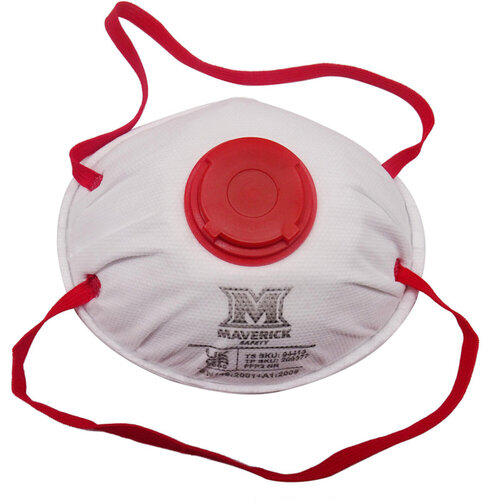
Maverick FFP3 Moulded Valved Disposable Face Mask - 2 Pack
FFP3 disposable face mask with valve, protects against non-toxic aerosols, 2-pac…
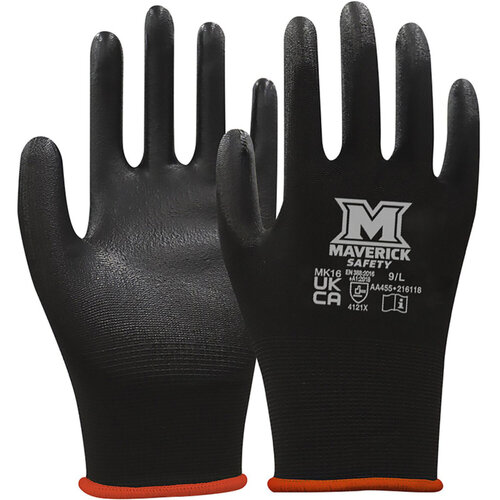
Maverick Safety MK16 Precision Work Gloves - Large Pair
Large PU-coated precision gloves with 13g nylon liner
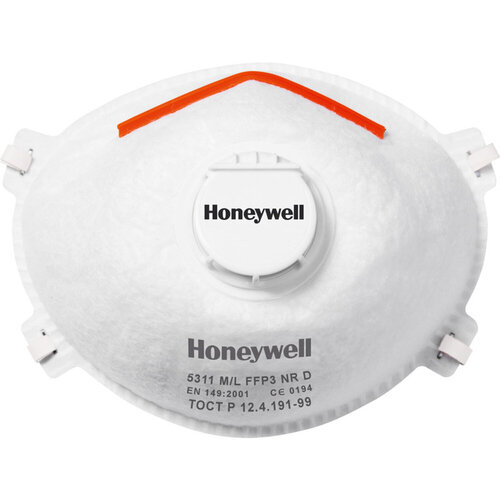
Honeywell Moulded FFP3 Valved Face Mask - 10 Pack
10-pack FFP3 valved face mask with tight-sealing fit
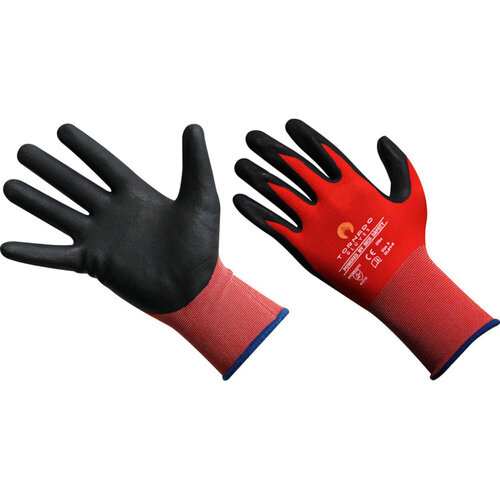
MCR Olba General Purpose Nitrile Foam Gloves - X Large
Nitrile foam grip gloves with EN388 certification – size X Large
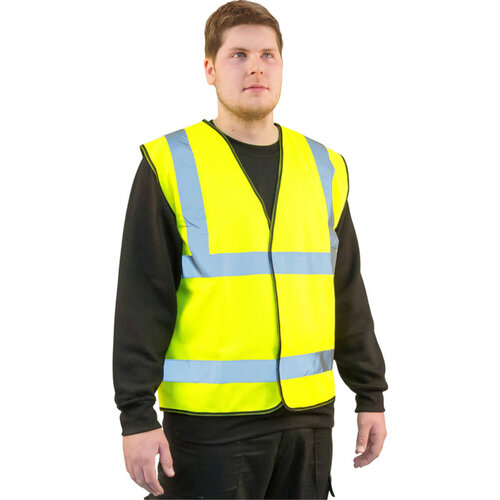
Hi Vis Waistcoat - Yellow Large
Yellow hi-vis waistcoat, size Large, EN471 Class 2
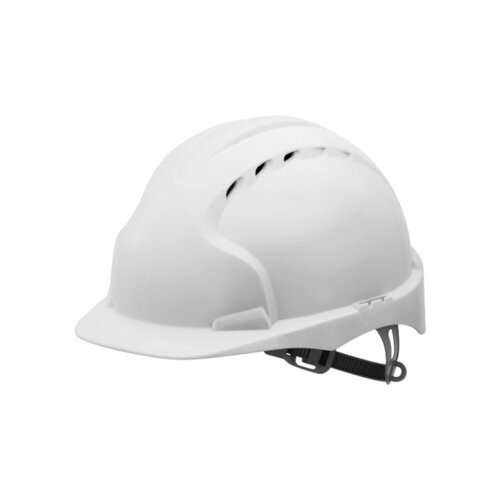
JSP EVO2 Adjustable Safety Helmet - White
BS EN 397 approved, vented, adjustable helmet in white
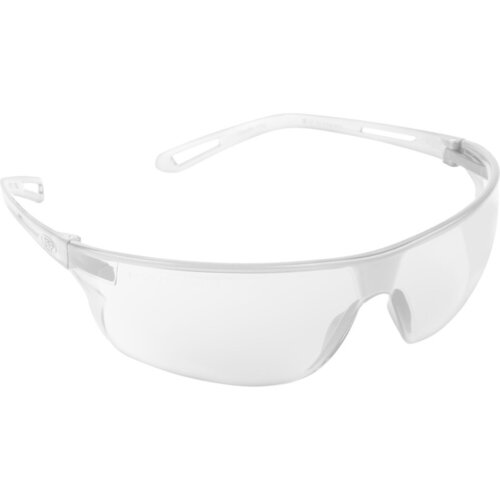
JSP Stealth Safety Glasses - Clear
Clear safety glasses, ultra-lightweight (16g), EN166 EN170 certified.
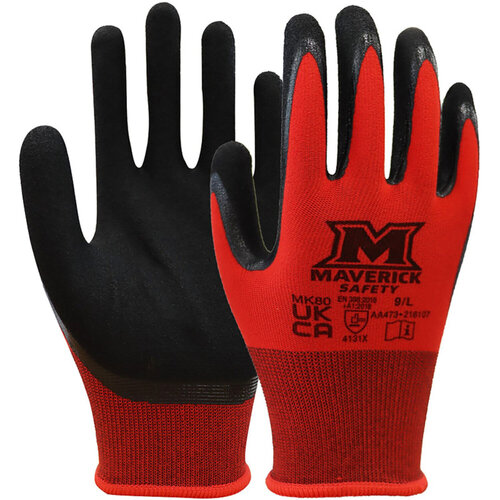
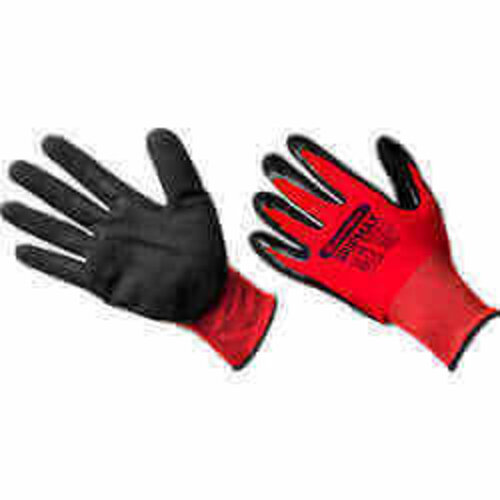
Maverick Safety MK80 Flexi Grip Work Gloves - Large Pair
Maverick MK80 large black and red work gloves with flexible grip
Dart HSS Long Series Twist Drill - 10 Pack - Large
GripMax work gloves with nitrile-coated palm, size Large, black and red.
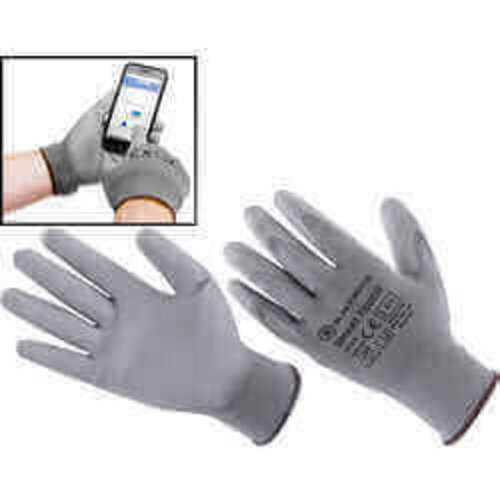
Smart Touch Palm Gloves - X Large
Touchscreen work gloves with PU coating, size X large
For the Trade
Start with the space you’ve got and how you’ll use the kit, then narrow the spec from there. If it has to stay on all day, you usually want something that holds up without getting in the way. For a quick task, lighter trade ppe is often the better call because you’re not paying for more than you need. Safety & Workwear is the parent range if you’re moving between jobs, but the real choice is whether you need basic protective equipment or something tougher for repeated use. Fit, coverage, and how much movement you need usually decide the order.
Disposable Overalls
Disposable overalls are the one you reach for when you need a barrier more than a hard-wearing garment. They suit jobs where dust, paint, plaster or light contamination would ruin normal PPE workwear. They also cut down on washing and reuse, which makes them the cheaper call when the garment is only needed once.
The trade-off is clear. You get clean coverage, but you give up durability and comfort over a long shift. If the job is messy but not high-risk, Disposable Overalls are the narrower buy.
Ear Protection
Ear Protection is the one you pick when noise is the issue, not the rest of the job. If exposure is only occasional, a simpler option usually makes more sense than heavier protective equipment. When the site is loud all day, you need kit you’ll actually keep on.
Buying on price alone often leaves you with gear that stays in the van. If you’re building out a full set of PPE, Ear Protection is the narrower buy in this range.
Eye Protection
For eye work, you’re usually choosing between coverage, clarity and how much nuisance you’ll put up with. Basic specs are fine for general site use. Once you’re grinding, cutting or dealing with flying debris, you want a closer seal or a face shield, not a loose pair that leaves gaps.
That’s where Eye Protection earns its keep. More wrap and coverage usually means a bit more bulk, so if the job only needs light protection, don’t overbuy.
Face Masks & Dust Masks
If you’re buying PPE masks, start with how much dust you’re dealing with and how long you’ll be in it. A light mask is usually fine for short, nuisance work. Once the job produces finer dust, or you’re wearing it for most of the shift, fit and comfort matter more than the cheapest box on the shelf.
Trade PPE in this range is often chosen because it’s quick to issue and easy to replace. You do give up the better fit and longer wear you get from higher-spec options. If the job needs more than simple dust control, move up to the right face masks and dust masks rather than trying to make one mask do everything.
Foot Protection
Foot protection is where you stop looking at the whole kit and focus on what is underfoot. If you are dealing with dropped tools, sharp debris, or long spells of kneeling and standing, the spec matters more than the badge on the box.
Basic protective equipment is fine for lighter site use. Once the floor is rough or the shift is long, you need footwear that holds up without becoming a nuisance. The usual mistake is buying on price and ending up with boots that stay in the van. PPE workwear only earns its keep when you can wear it all day.
Hard Hats & Face Shields
For this part of PPE, the choice is usually between a hard hat on its own or a hard hat with a face shield.
Use the lighter option when overhead risk is the main issue and you still need good movement. Move up to a shield when flying debris, sparks or splash are part of the job. A brim alone will not deal with that.
The trade-off is simple. More coverage usually means more bulk, more fogging and less comfort over a long shift. The kit that stays in the van is usually the one that feels awkward after an hour.
Key Differences When Choosing
Start with the risk, then the wear time, then the fit.
For a short job with low exposure, lighter trade PPE is usually enough. It is easier to keep on and less likely to slow you down.
Once you are into longer shifts or harsher conditions, you need better coverage and materials that hold up without becoming a nuisance after an hour.
That is where ppe workwear and ppe masks split. One gives you broader protection. The other deals with a specific hazard.
If the job is mainly about keeping people seen or keeping the spec tidy across a site, Safety is the next place to look.
Next Decisions After Choosing
Once you’ve picked the PPE itself, the next call is what sits around it on the job. If you’re keeping dust and overspray off finished areas, disposable overalls are the usual add-on because they’re easy to issue and bin. Ear protection and eye protection are often missed until the task changes and the risk jumps.
On busier sites, high vis and other PPE workwear matter more than a plain layer. You need gear that stays visible and works with the rest of the kit. The mistake is buying one item and forgetting the rest of the exposure.
Local availability for PPE



















