Safety Shoes
If you’re choosing safety shoes, start with the hazard and the shift length. Steel toe shoes are still the usual call where impact protection matters most, while composite toe shoes make more sense if you want less weight and no metal at the front. A wider fit or lighter build can save you grief on long days, but you do give up a bit of that solid feel some lads prefer. On tighter jobs, the wrong shape is what gets left in the van.
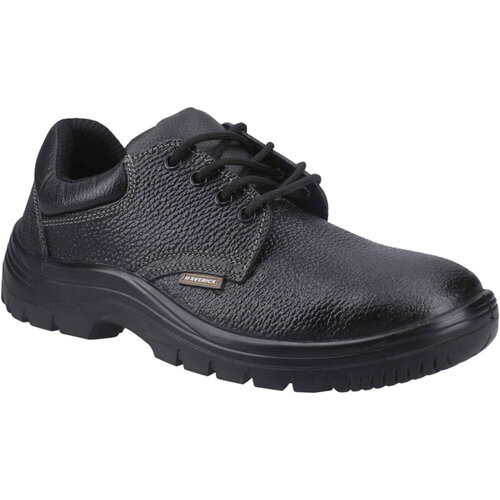
Maverick Bolt Safety Shoes - Black Size 10
Black size 10 safety shoes with steel toe cap and midsole, lightweight PU outsol…
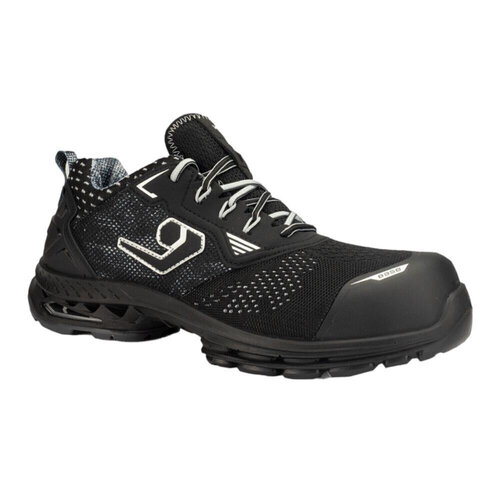
Base London S1PS ESD Metal Free Vegan Lightweight Composite Toe Safety Shoes
Metal-free, vegan safety shoes with composite toe, ESD and anti-static propertie…
For the Trade
The first question is what the job asks of your safety shoes: all-day wear, a lot of kneeling, or plenty of walking between jobs. That usually decides whether you stay with steel toe shoes, move to composite toe shoes, or pick a lighter build if fatigue is the bigger issue. Wide fit matters when the toe box starts to pinch by the end of the day, and that is the pair that comes back if you ignore it. If you move between indoor and outdoor work, check grip and upper durability before you get drawn to the lightest option.
Popular Safety Shoes Formats
For most jobs, you’re weighing protection against weight. Toe cap safety shoes are the usual pick for general trade work when you want a familiar, hard-wearing shoe.
Lightweight safety shoes suit long shifts or plenty of walking because they’re easier on your feet, but they can feel less substantial than a heavier pair.
Site safety shoes make more sense when you want a tougher everyday shoe for mixed site use. Safety Footwear is where you go back if you need to compare shoes against boots or trainers.
Mens safety shoes and ladies safety shoes are mainly about fit and sizing range. The right pair is the one that sits properly without you fighting the lacing all day.
Key Differences When Choosing
Steel toe cap safety shoes suit harder daily use. The toe gives a firmer face, so they stay the common pick when the job is rough on footwear. The trade-off is simple: they usually feel heavier in hand and on your feet.
Composite toe shoes are the lighter option. They make more sense when you are moving all day and want less weight underfoot, but you give up some of that solid feel.
If the fit is tight, sort that early. Wide fit safety shoes are worth it when you need a bit more room. A cramped shoe gets returned faster than one that feels slightly heavier.
For specialist jobs, Chainsaw Boots sit in a different lane. If the pair is only let down by worn parts, Laces & Insoles is often the next sensible buy.
Next Decisions After Choosing
Once you’ve picked the right safety shoes, the next call is what else the job needs around them. If you’re on rough ground or dealing with sharp debris, chainsaw boots are the step up for protection, but you lose the lighter feel of a shoe.
For day-to-day wear, sort laces & insoles at the same time. A good insole can keep a pair going when the fit is otherwise right, and worn laces are what usually put a decent pair out of service early. That’s the bit people forget until they’re back at the counter asking for a quick fix.
Related searches
Local availability for Safety Shoes



