Safety Trainers
Safety trainers are the pick when you want a lighter shoe feel without giving up toe protection. The key call is how much weight, width and grip you need for the day. Steel toe cap safety trainers suit rougher site work where knocks are more likely, while composite or metal free options make more sense if you want to keep the pair lighter or avoid metal on the job. Wide fit versions are worth a look if standard lasts always come back tight.
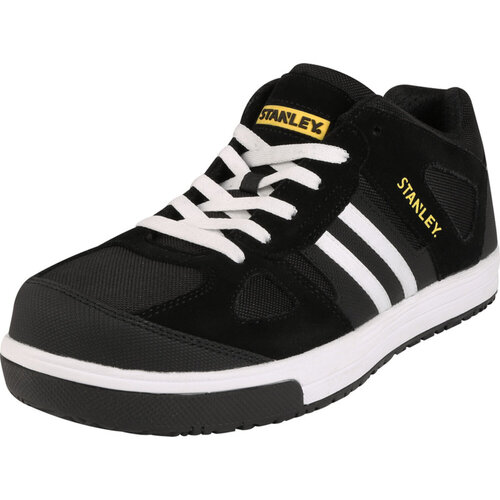
Stanley Orion Safety Trainers - Size 11
Size 11 black steel toe safety trainer with composite midsole
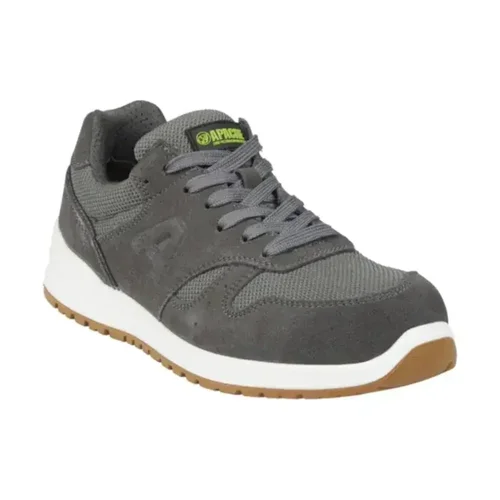
Apache Winnipeg Suede Safety Trainer - Size 8
Size 8 grey suede safety trainer with composite toe and slip-resistant outsole
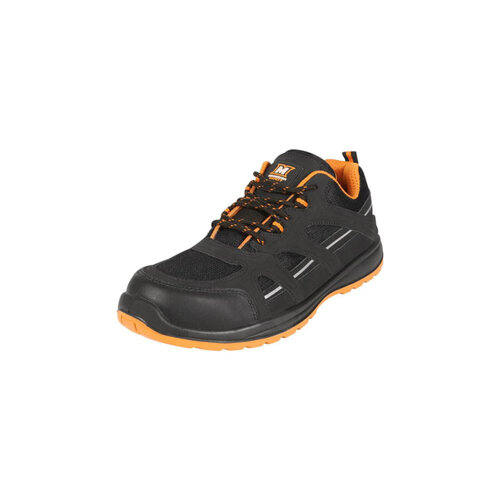
Maverick Strike Safety Trainers - Size 10
Black safety trainers, size 10, steel toe cap, EN ISO 20345 S1P SRC
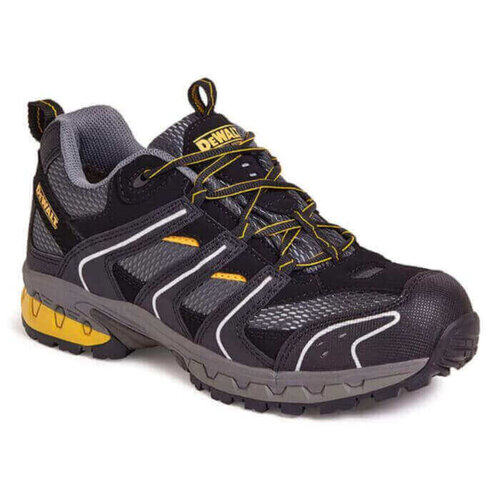
DeWalt Cutter Safety Trainers - Size 9
Black steel toe safety trainers with wide fit, size 9, EN ISO 20345:2011 SB SRA.
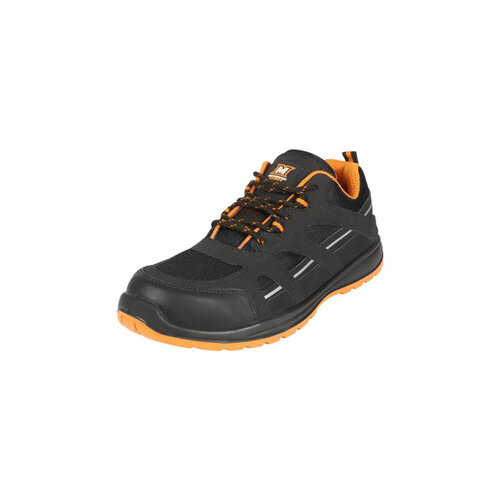
Maverick Strike Safety Trainers - Size 11
Black safety trainers, size 11, steel toe cap, EN ISO 20345 S1P SRC
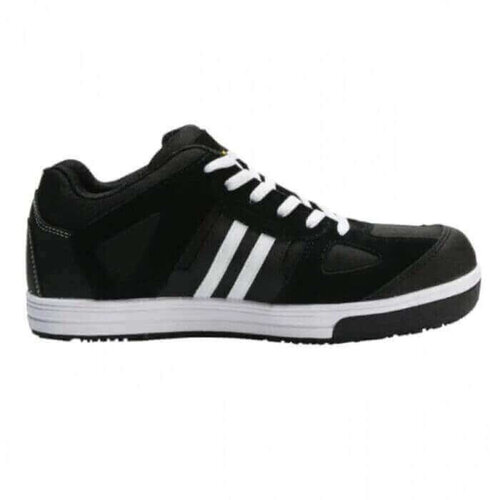
Stanley Cody Safety Trainer - Black White size 8
Black and white safety trainer with steel toecap (200 J) and oil-resistant sole,…
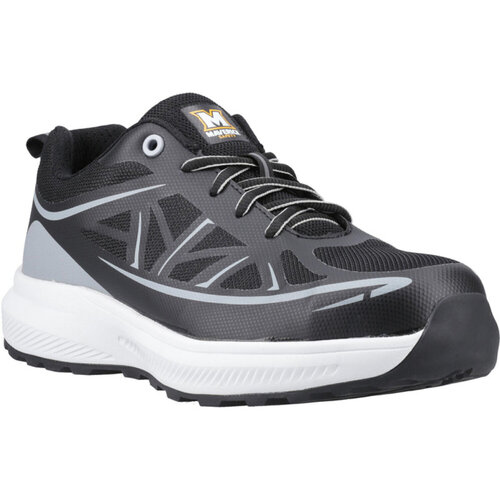
Maverick Phantom Safety Trainers - Black Size 11
Lightweight safety trainers with steel toe cap for light-duty warehouse work
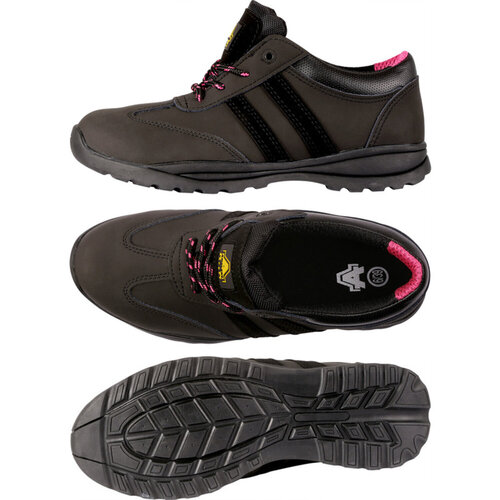
Amblers FS706 Women's Safety Trainers - Size 6
Women's safety trainers with steel toe and midsole, S1P SRC rated
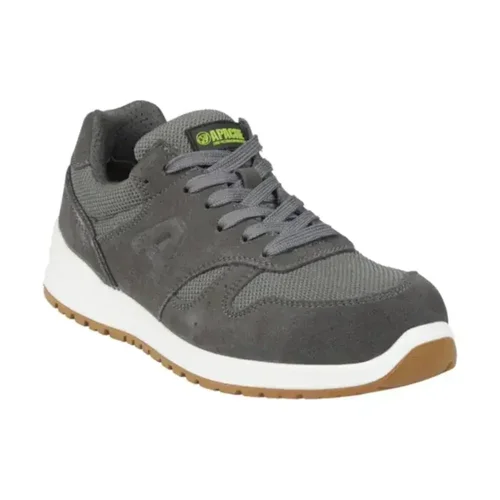
Apache Winnipeg Suede Safety Trainer - Size 11
Size 11 grey suede Apache Winnipeg safety trainer with retro styling
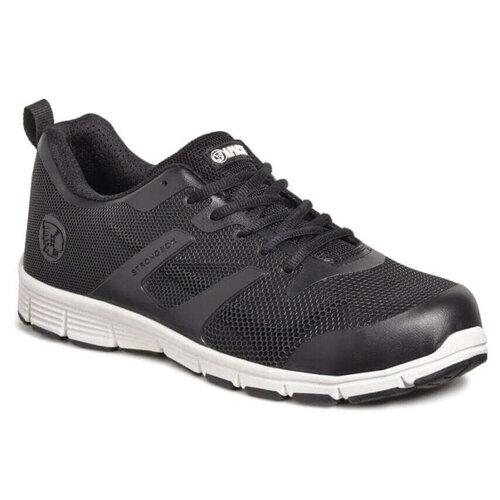
Apache Vault Safety Trainers - Black Size 8
Black size 8 Apache Vault safety trainer with aluminium toe cap
For the Trade
You’re usually choosing safety trainers on three things first: how long you’ll be on your feet, how much room you need in the toe, and whether the job stays dry or is likely to get wet. If you’re in and out of vans, up stairs, or working indoors, the lighter pairs are the ones that get worn all day instead of left in the boot. On rougher sites, a firmer toe and a tougher upper usually matter more than saving a few grams. Wide fit versions help when standard widths start causing grief by lunchtime.
Safety Trainer Options Compared
The first split is usually between a tougher toe cap and a lighter build. Steel toe cap safety trainers suit harder wear and rough handling. Composite or metal free pairs make more sense when weight and metal detection matter more than outright toughness.
Mens safety trainers and ladies safety trainers are mainly about fit and size run, not a different job. Lightweight safety trainers take the strain out of a long shift, but you usually give up a bit of feel underfoot. Compared with the rest of the Safety Footwear range, that trade-off often decides it.
Choosing Materials and Size
Start with the toe cap and the fit. Don’t get distracted by the colour or the badge.
Steel toe cap safety trainers usually suit rougher daily use because they give a firmer front. The trade-off is weight, and you’ll notice it by the end of the day.
Composite toe cap safety trainers are the lighter pick when you’re on your feet all day or want less metal in the shoe. If the standard last is pinching, wide fit safety trainers are worth a look, especially when you need a bit more space in the forefoot without moving up a size that makes the shoe feel sloppy. A tight pair stays in the van.
Keep the extras in mind too. Chainsaw Boots are a different job altogether. Laces & Insoles are usually the next stop when the pair’s right but the fit still needs tweaking.
Completing the Setup
Once you’ve picked the right safety trainers, the next call is what the rest of the job needs around them.
On a fit-out with plenty of movement, keep an eye on Laces & Insoles. It keeps the pair working properly and saves you from a loose fit by the end of the week.
Where the work turns wet or dirty, Waterproof Footwear or Wellies usually makes more sense for the rougher parts of the job. Safety Boots or Safety Shoes are the step up when the site needs a different level of coverage. Chainsaw Boots and Rigger Boots only come into play when the task really calls for them - they’re not a straight swap for safety trainers.
Related searches
Local availability for Safety Trainers







