Wellies
If you’re choosing wellies, start with the job. Plain rubber pairs are usually enough for wet ground and quick use, while neoprene-lined options hold warmth better when you’re out longer. Fit matters as much as height. A wide calf or roomier leg saves grief if you’re wearing thicker socks, and shorter styles are easier to live with where you’re climbing in and out all day. The pairs that come back most often are the ones that looked fine on paper but were too tight at the calf or too stiff round the ankle.
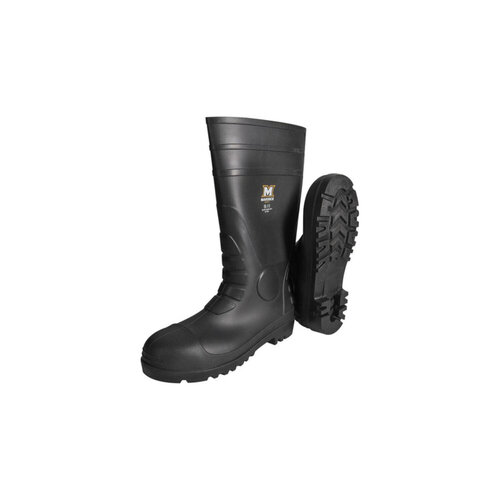
Maverick Storm Safety Wellington Boots - Size 8
Waterproof safety wellies, EN ISO 20345 S5 SR, size 8, black
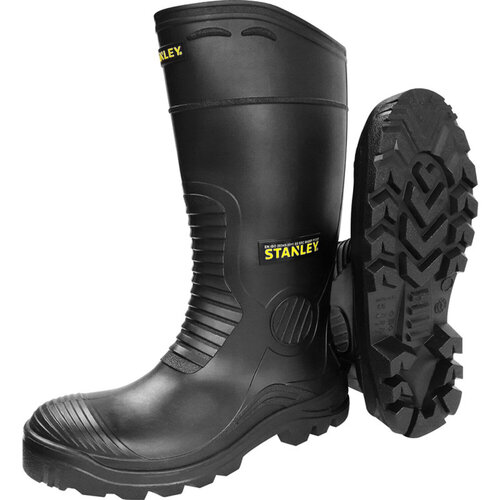
Stanley Ottawa Safety Wellington - Size 8
Steel toe cap safety wellington, S5 SRC rated, size 8, wide fit
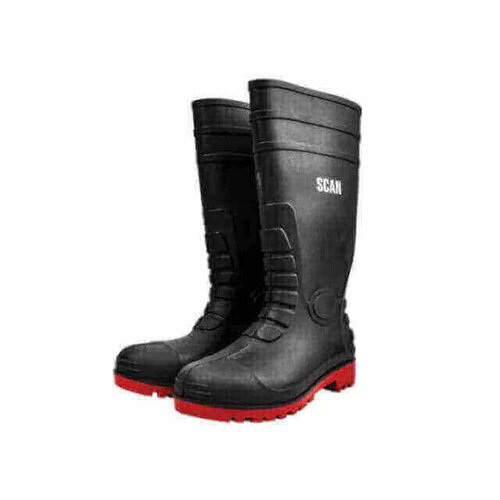
Scan Safety Wellington Boots - Black size 8
Waterproof black safety wellington boots, size 8, with steel toecap and midsole
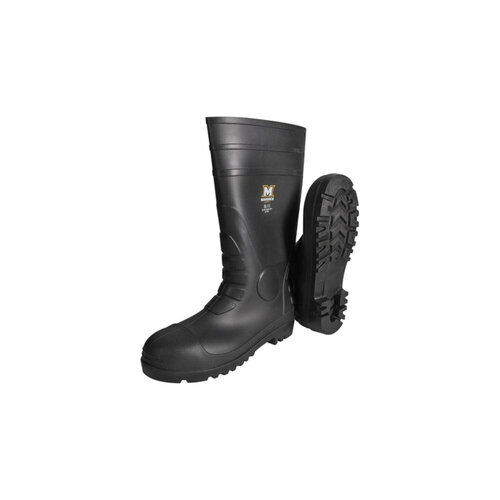
Maverick Storm Safety Wellington Boots - Size 11
Size 11 waterproof safety wellington boots with steel toe cap and midsole
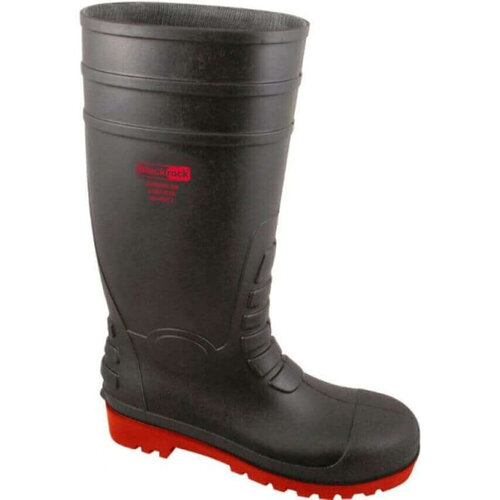
Blackrock Safety Wellington - Size 9
Blackrock safety wellington boots, size 9, boxed
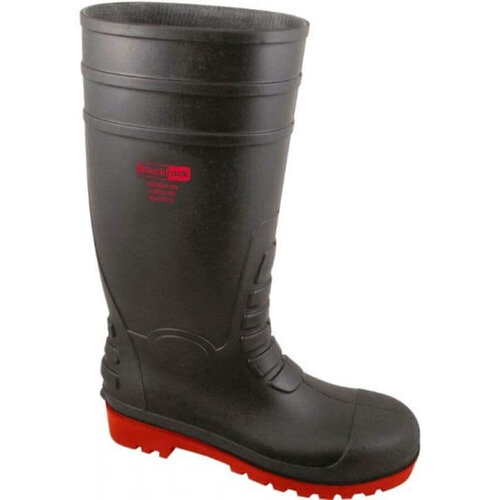
Blackrock Safety Wellington - Size 11 Boxed
Blackrock safety wellington, UK size 11, boxed
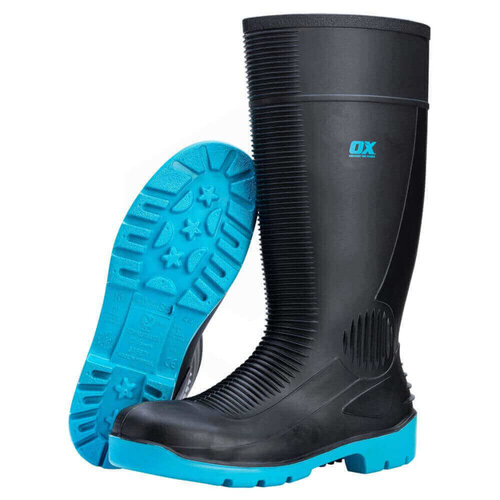
OX Steel Toe Safety Wellington Boots - Black size 9
Black waterproof steel-toe safety wellington boots, size 9
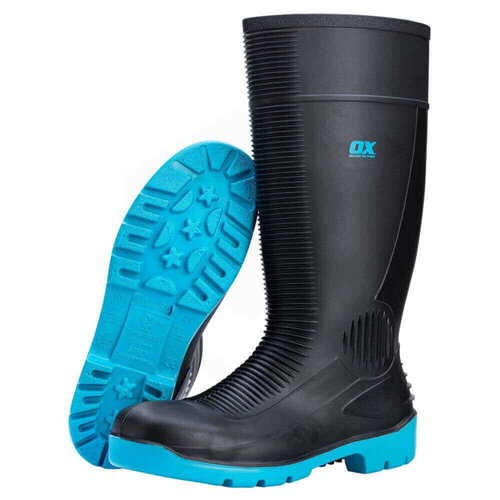
OX Steel Toe Safety Wellington Boots - Black size 10
Black waterproof steel-toe safety wellington boots, size 10
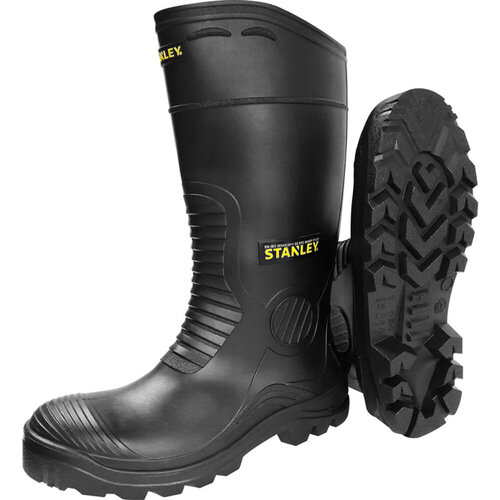
Stanley Ottawa Safety Wellington - Size 11
Steel-toe waterproof wellington, size 11, with S5 SRC safety rating and oil-repe…
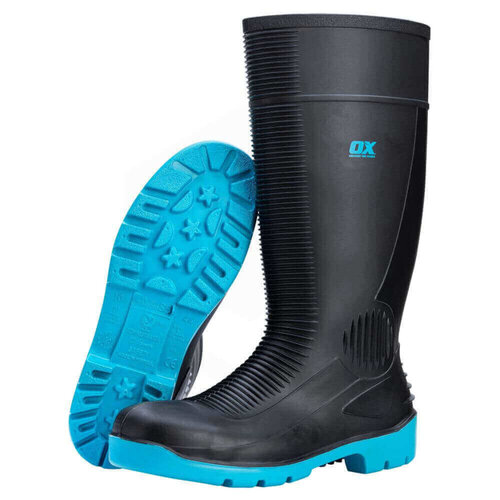
OX Steel Toe Safety Wellington Boots - Black size 11
Waterproof steel toe safety wellington boots, black size 11
For the Trade
Start with the job, not the label. The choice usually comes down to how much standing water, mud, or slurry you are dealing with, how long you will be in them, and whether you need room for thicker socks or trousers tucked in. For short runs and lighter ground, a simpler pair of wellies is usually enough. In cold, wet conditions that drag on, look at warmer lined options or a wider fit. The wrong pair gets left in the van after the first bad day.
Welly Options Compared
Trade wellies are the usual pick when you want a tougher all-round pair for site muck, yard work or farm use. They take more abuse than lighter fashion-style options, but you usually give up some comfort and flexibility.
Mens wellies and ladies wellies are mainly about fit through the leg and foot. Choose them when a standard unisex shape feels sloppy or rubs.
Kids wellies are a separate buy for smaller legs, not just a cut-down adult pair.
If you’re comparing Safety Footwear options, insulated wellies make sense when cold is the bigger issue. Neoprene wellies give more give and a warmer feel without moving into a heavier boot.
Choosing Materials and Size
Rubber wellies are the simple pick when you want easy handling and less fuss in the van. They can feel stiffer and colder than lined options once you’re stood in them all day.
Neoprene wellies usually give more give through the leg and a warmer feel. The trade-off is slower drying after a hard shift.
Size matters just as much as material. A wide fit welly is worth a look if you need room for thicker socks or a broader calf. Too much spare space makes them sloppy and slower to walk in.
If the job is more about sharp ground than wet ground, move over to Chainsaw Boots. If the pair just needs fresh laces or a better footbed, Laces & Insoles is the next stop.
Completing the Setup
Once you’ve picked the right wellies, the next call is what sits around them on the job. In deep mud or slurry, you may need a tougher outer finish and somewhere dry to keep spares. A wet pair left in the van soon becomes a problem.
Where the ground is rough as well as wet, chainsaw boots are the separate buy. Laces and insoles are the small add-ons that keep a worn pair going for longer. That is the bit that helps you avoid replacing a decent pair too early.
Related searches
Local availability for Wellies




